
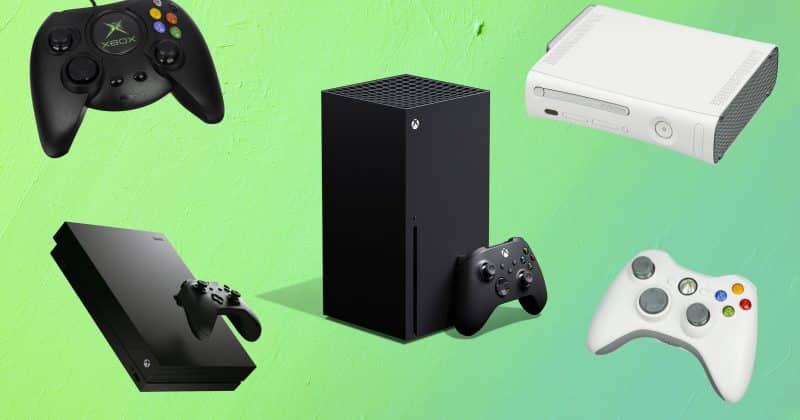
Microsoft cuts 4,800 jobs as Xbox gets a hard reset, signaling broader tech belt-tightening
The layoffs slash 2.1% of Microsoft's global workforce and could eliminate up to 20% of Xbox's headcount by 2027, underscoring a tech sector pivot toward AI over gaming.
Microsoft just handed pink slips to 4,800 employees, with its Xbox division absorbing the heaviest blow. The cuts amount to roughly 2.1% of the company’s global workforce.
Xbox CEO Asha Sharma described the move as a necessary “reset” for the gaming unit, which is staring down intensifying competition. The immediate round eliminated 1,600 Xbox positions, but the company plans to trim approximately 3,200 total roles from the division, about 20% of its gaming workforce, by the end of fiscal year 2027.
What’s actually happening inside Microsoft
This isn’t a surgical tweak. It’s a full-scale reorganization that includes potential divestitures of several gaming studios.
Microsoft’s stock has declined more than 18% year-to-date in 2026. The pressure to show returns on its massive artificial intelligence investments is clearly reshaping how the company allocates capital and headcount.
The timing is notable. Microsoft closed its $69 billion Activision Blizzard acquisition less than three years ago, the largest gaming deal in history. Cutting 20% of Xbox’s workforce after that kind of spending spree suggests the integration hasn’t delivered the competitive moat Microsoft was hoping for.
AI, tech, and the markets they move—in one daily briefing.
Daily. Free. Join 34,000+ readers across crypto, finance, and policy.
Why crypto investors should pay attention
Microsoft’s Azure cloud platform has historically been one of the more blockchain-friendly enterprise infrastructure providers, offering tools for developers building on Ethereum and other networks. When a company of this scale pivots hard toward AI efficiency and away from gaming, it sends a signal about where enterprise tech dollars are flowing. And right now, they’re flowing toward machine learning infrastructure, not toward experimental gaming paradigms like play-to-earn or on-chain virtual worlds.
There’s also a macro angle worth tracking. Microsoft’s 18%-plus stock decline in 2026 reflects broader skepticism about whether AI spending will actually translate into proportional revenue growth. Bitcoin and major altcoins have historically shown sensitivity to shifts in tech sector sentiment, particularly when the narrative moves from “growth at all costs” to “show me the margins.”
What investors should watch next
The studio divestitures are the next domino. Which studios Microsoft sells, and at what prices, will reveal how aggressively the company is retreating from gaming content creation versus distribution. If Microsoft keeps the platform (Game Pass, Xbox Cloud Gaming) but sheds the studios, it’s essentially becoming a gaming landlord rather than a gaming builder.
Microsoft’s AI pivot also has implications for blockchain infrastructure. As the company pours resources into AI compute, the opportunity cost for Azure’s blockchain services increases. Developers building on Microsoft’s cloud tools for crypto applications should be monitoring whether those services continue to receive investment or quietly get deprioritized.