
MiniMax loses bid to end Disney copyright lawsuit over AI system
A federal judge ruled the Chinese AI firm must face Hollywood's copyright claims, keeping alive a case that could reshape how generative AI companies handle intellectual property.
A US federal judge has denied MiniMax’s attempt to throw out a copyright infringement lawsuit brought by Disney and several other major Hollywood studios. The ruling, issued on May 26, 2026, by US District Judge Stanley Blumenfeld, means the Chinese AI company will have to defend itself in American court over allegations that its generative AI service was built on unauthorized copies of some of the most iconic characters in entertainment history.
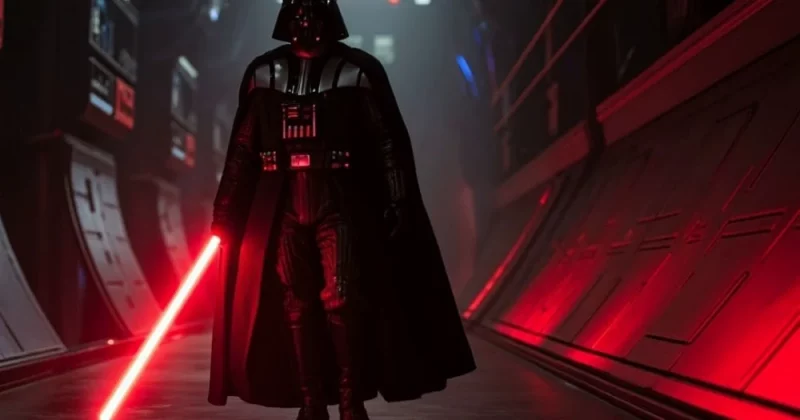
The case, filed on September 16, 2025, in the US District Court for the Central District of California, accuses MiniMax’s Hailuo AI service of generating images and videos featuring characters like Spider-Man, Darth Vader, and Shrek without permission. The studios didn’t mince words about what they think Hailuo is: marketing materials allegedly branded the service as a “Hollywood studio in your pocket.”
MiniMax’s defense, and why it didn’t work
MiniMax tried a multi-pronged approach to get the case tossed before it could gain momentum. The company argued it lacked the kind of US contacts necessary for an American court to have jurisdiction over it. It also claimed that MiniMax itself is merely a brand name, not a legal entity that can be held responsible for infringement.
Judge Blumenfeld wasn’t persuaded by either argument. His denial of the motion to dismiss allows the full case to proceed, with a hearing on remaining issues scheduled for May 29, 2026. The ruling doesn’t determine whether MiniMax actually infringed on anyone’s copyrights. It simply means the studios have presented enough of a case to deserve their day in court.
The bigger picture for AI and copyright
The studios’ complaint alleges that MiniMax used unauthorized copies of their works to train Hailuo’s image and video-generation models. The MiniMax case involves a foreign entity, which raises questions about how far US copyright law can reach in a global AI marketplace. The fact that Judge Blumenfeld kept the case alive sends a clear signal: being headquartered outside the US doesn’t automatically shield AI developers from American copyright enforcement.
The crypto and markets news you actually need—every morning.
Daily. Free. Join 34,000+ readers across crypto, finance, and policy.
The Hailuo service allegedly produces outputs that feature recognizable characters from Disney and the other studios involved in the suit. The complaint covers image and video generation, meaning this isn’t limited to static pictures. The MiniMax lawsuit is part of a broader trend, following a similar case filed against Midjourney.
What this means for investors
What investors should watch next is whether MiniMax attempts to settle or fights the case through trial. A settlement could establish informal pricing benchmarks for licensing. A trial could produce precedent that either emboldens or constrains studios in future cases against AI developers.
The hearing scheduled for May 29, 2026, will address remaining procedural issues and could offer further clarity on the scope of the case.