
Nexo Earn with Nexo
Mizuho CEO advocates for bold Bank of Japan rate hike to boost bond market

Mizuho CEO advocates for bold Bank of Japan rate hike to boost bond market

Japan's third-largest bank is pushing the BOJ to get aggressive on rates, and its record profits show why it has skin in the game.

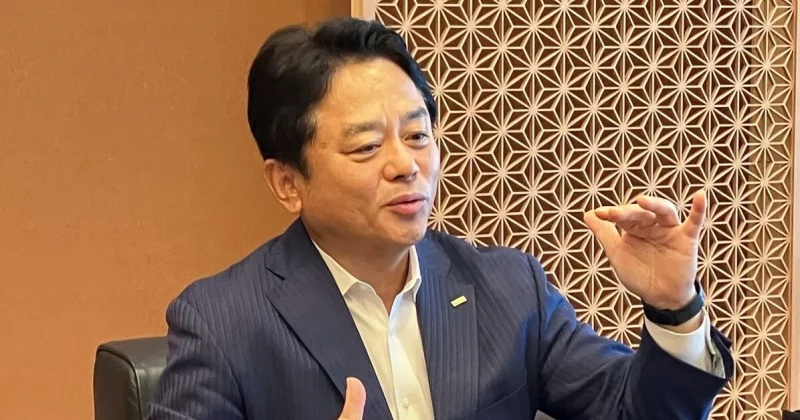
Mizuho Financial Group CEO Masahiro Kihara is making a case that the Bank of Japan should stop tiptoeing and deliver a meaningful interest rate increase, arguing it would be a net positive for the Japanese bond market. Mizuho just posted record profits driven largely by prior rate hikes.

The call comes at a pivotal moment for Japanese monetary policy. The BOJ held its policy rate at 0.75% at its late April meeting, but the decision was far from unanimous, with a hawkish 6-3 split vote.

Mizuho’s rate hike roadmap

Kihara isn’t alone in his hawkish posture. Kenya Koshimizu, Mizuho’s markets co-head, has stated that the BOJ could raise rates up to three times in 2026. Kihara himself has suggested that Japan’s terminal policy rate might eventually reach at least 1.5%, with the possibility of a hike arriving as early as this spring.

Advertisement

The BOJ’s April 27-28 meeting didn’t deliver a hike, but the central bank upgraded its inflation forecasts, a move that traders widely interpreted as laying the groundwork for tightening in the months ahead. Markets are now pricing in a possible rate increase by June.

For Mizuho, higher rates aren’t just macroeconomic theory. They’re a business model. The bank reported a record net profit of 1.25 trillion yen for the fiscal year ending March 2026, a 41% jump year-on-year. That surge was driven significantly by widening net interest margins, the spread between what banks earn on loans and pay on deposits.

Why the bond market stands to benefit

The BOJ has been the dominant buyer of Japanese Government Bonds for over a decade, effectively suppressing yields and distorting price discovery. Mizuho’s executives believe that a decisive rate hike would restore more normal market dynamics, stabilize longer-term JGB yields, and diminish existing market distortions by bringing back private investors and improving price discovery.

The 6-3 split at the April meeting is worth watching closely. Three dissenting members wanted action now, which indicates the internal debate at the BOJ is intensifying.

What this means for investors

Mizuho’s advocacy isn’t happening in a vacuum. Japan’s largest banks have been among the biggest beneficiaries of the BOJ’s gradual exit from ultra-loose policy, and they have every incentive to push for faster normalization.

On a separate but related note, Mizuho has also been exploring how blockchain technology could improve JGB collateral management. On April 20, the bank joined a consortium for a proof-of-concept project aimed at enhancing blockchain integration for bond operations, focusing on applications for traditional fixed-income securities like security token bonds.

Disclosure: This article was edited by Editorial Team. For more information on how we create and review content, see our Editorial Policy.

Mizuho CEO advocates for bold Bank of Japan rate hike to boost bond market

Mizuho CEO advocates for bold Bank of Japan rate hike to boost bond market

Japan's third-largest bank is pushing the BOJ to get aggressive on rates, and its record profits show why it has skin in the game.

Mizuho Financial Group CEO Masahiro Kihara is making a case that the Bank of Japan should stop tiptoeing and deliver a meaningful interest rate increase, arguing it would be a net positive for the Japanese bond market. Mizuho just posted record profits driven largely by prior rate hikes.

The call comes at a pivotal moment for Japanese monetary policy. The BOJ held its policy rate at 0.75% at its late April meeting, but the decision was far from unanimous, with a hawkish 6-3 split vote.

Mizuho’s rate hike roadmap

Kihara isn’t alone in his hawkish posture. Kenya Koshimizu, Mizuho’s markets co-head, has stated that the BOJ could raise rates up to three times in 2026. Kihara himself has suggested that Japan’s terminal policy rate might eventually reach at least 1.5%, with the possibility of a hike arriving as early as this spring.

Advertisement

The BOJ’s April 27-28 meeting didn’t deliver a hike, but the central bank upgraded its inflation forecasts, a move that traders widely interpreted as laying the groundwork for tightening in the months ahead. Markets are now pricing in a possible rate increase by June.

For Mizuho, higher rates aren’t just macroeconomic theory. They’re a business model. The bank reported a record net profit of 1.25 trillion yen for the fiscal year ending March 2026, a 41% jump year-on-year. That surge was driven significantly by widening net interest margins, the spread between what banks earn on loans and pay on deposits.

Why the bond market stands to benefit

The BOJ has been the dominant buyer of Japanese Government Bonds for over a decade, effectively suppressing yields and distorting price discovery. Mizuho’s executives believe that a decisive rate hike would restore more normal market dynamics, stabilize longer-term JGB yields, and diminish existing market distortions by bringing back private investors and improving price discovery.

The 6-3 split at the April meeting is worth watching closely. Three dissenting members wanted action now, which indicates the internal debate at the BOJ is intensifying.

What this means for investors

Mizuho’s advocacy isn’t happening in a vacuum. Japan’s largest banks have been among the biggest beneficiaries of the BOJ’s gradual exit from ultra-loose policy, and they have every incentive to push for faster normalization.

On a separate but related note, Mizuho has also been exploring how blockchain technology could improve JGB collateral management. On April 20, the bank joined a consortium for a proof-of-concept project aimed at enhancing blockchain integration for bond operations, focusing on applications for traditional fixed-income securities like security token bonds.

Disclosure: This article was edited by Editorial Team. For more information on how we create and review content, see our Editorial Policy.