
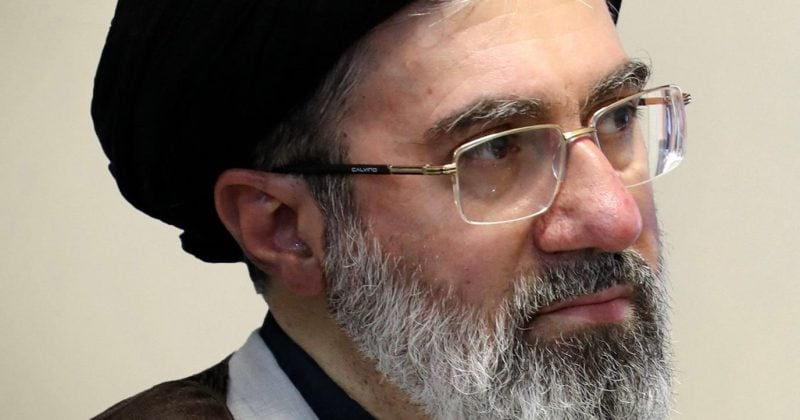
Mojtaba Khamenei assumes leadership in Iran amid US, Israel tensions

https://gpe.wikipedia.org/wiki/Mojtaba_Khamenei

Mojtaba Khamenei assumes leadership in Iran amid US, Israel tensions

Iran leadership status by end of 2026

Iran is navigating a new political landscape following the assassination of Ayatollah Ali Khamenei. His son, Mojtaba Khamenei, has assumed leadership as the new supreme leader, marking a potential shift towards a more confrontational stance. This change comes amidst heightened tensions with the United States and Israel, who were involved in the airstrikes that led to the elder Khamenei’s death. The transition has been formalized by the Assembly of Experts, aiming to ensure regime continuity during a period of significant internal and external challenges.

The prediction markets appear to interpret this development as supportive of Mojtaba Khamenei consolidating power. As of now, the probability of him remaining head of state by the end of 2026 is priced at 83% YES, reflecting confidence in his leadership despite the volatility. This follows a series of high-profile eliminations of Iran’s military leadership, potentially solidifying Mojtaba’s control and impacting market expectations.

Advertisement

With ongoing regional instability and the potential for further escalations, market participants are closely observing indicators of political consolidation or upheaval. The odds of an Iranian regime fall before 2027 are currently at 6.5% YES, suggesting some degree of skepticism about the regime’s long-term stability despite Mojtaba’s recent ascension.

Key Takeaways

  • Market pricing suggests consolidation of Mojtaba Khamenei’s leadership is likely, with 83% YES for his status as head of state by end of 2026.
  • The assassination of Ayatollah Ali Khamenei and the subsequent power shift are consistent with increased geopolitical tensions.
  • There remains a 6.5% likelihood of a regime fall by 2027, indicating markets are hedging against potential instability.

What to Watch

Watch for further announcements from the Assembly of Experts and developments regarding Iran’s internal political dynamics. Any indications of international recognition or domestic endorsement of Mojtaba’s leadership could reinforce market confidence in his continued rule. Conversely, reports of internal dissent or external pressures could suggest increasing risks to regime stability. The markets will likely respond to new information about Iran’s geopolitical strategies and internal security measures.

Get prediction market intelligence as a structured API feed. Early access waitlist.

Disclosure: This article was edited by Estefano Gomez. For more information on how we create and review content, see our Editorial Policy.

Mojtaba Khamenei assumes leadership in Iran amid US, Israel tensions

Mojtaba Khamenei assumes leadership in Iran amid US, Israel tensions

Iran leadership status by end of 2026

https://gpe.wikipedia.org/wiki/Mojtaba_Khamenei

Iran is navigating a new political landscape following the assassination of Ayatollah Ali Khamenei. His son, Mojtaba Khamenei, has assumed leadership as the new supreme leader, marking a potential shift towards a more confrontational stance. This change comes amidst heightened tensions with the United States and Israel, who were involved in the airstrikes that led to the elder Khamenei’s death. The transition has been formalized by the Assembly of Experts, aiming to ensure regime continuity during a period of significant internal and external challenges.

The prediction markets appear to interpret this development as supportive of Mojtaba Khamenei consolidating power. As of now, the probability of him remaining head of state by the end of 2026 is priced at 83% YES, reflecting confidence in his leadership despite the volatility. This follows a series of high-profile eliminations of Iran’s military leadership, potentially solidifying Mojtaba’s control and impacting market expectations.

Advertisement

With ongoing regional instability and the potential for further escalations, market participants are closely observing indicators of political consolidation or upheaval. The odds of an Iranian regime fall before 2027 are currently at 6.5% YES, suggesting some degree of skepticism about the regime’s long-term stability despite Mojtaba’s recent ascension.

Key Takeaways

  • Market pricing suggests consolidation of Mojtaba Khamenei’s leadership is likely, with 83% YES for his status as head of state by end of 2026.
  • The assassination of Ayatollah Ali Khamenei and the subsequent power shift are consistent with increased geopolitical tensions.
  • There remains a 6.5% likelihood of a regime fall by 2027, indicating markets are hedging against potential instability.

What to Watch

Watch for further announcements from the Assembly of Experts and developments regarding Iran’s internal political dynamics. Any indications of international recognition or domestic endorsement of Mojtaba’s leadership could reinforce market confidence in his continued rule. Conversely, reports of internal dissent or external pressures could suggest increasing risks to regime stability. The markets will likely respond to new information about Iran’s geopolitical strategies and internal security measures.

Get prediction market intelligence as a structured API feed. Early access waitlist.

Disclosure: This article was edited by Estefano Gomez. For more information on how we create and review content, see our Editorial Policy.