
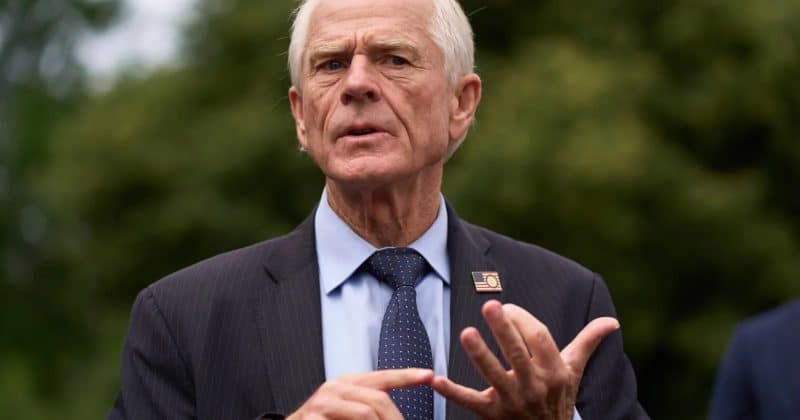
Peter Navarro cites energy-driven price shock in latest CPI, PPI reports
White House trade advisor argues inflation data reflects commodity disruptions, not an overheated economy, pushing back against rate hike expectations
The May Producer Price Index came in hot. Like, 10.7%-surge-in-energy-prices hot.
Peter Navarro, the White House senior counselor for trade and manufacturing, is making the case that the latest inflation readings tell a very specific story: one about energy costs spiraling due to geopolitical turmoil, not about runaway consumer demand. In a June 11 op-ed for RealClearMarkets, Navarro laid out his interpretation of the data and, predictably, aimed it squarely at the Federal Reserve’s next move.
The numbers behind the argument
The May PPI report showed a 1.1% month-over-month increase, blowing past the 0.7% consensus estimate. The culprit was not subtle. Energy prices jumped 10.7% in the month, with wholesale gasoline prices alone spiking 23.4%. Goods prices more broadly rose 2.8%.
On the consumer side, headline CPI hit 4.2% year-over-year. Core CPI, which strips out the volatile food and energy categories, sat at 2.9%. The gap between headline and core tells you where the pressure is actually coming from.
Navarro’s read is straightforward. The inflation everyone is panicking about is concentrated in energy. He is calling it an “energy-led price shock,” and the distinction matters more than it might seem at first glance.
Why the source of inflation changes the prescription
Rate hikes are designed to cool demand-driven inflation, the kind where consumers are spending freely and businesses are raising prices because they can. They are a blunt instrument for supply-side shocks where the problem originates outside the domestic economy.
The news moving money, markets, and the world—before your day starts.
Daily. Free. Join 34,000+ readers across crypto, finance, and policy.
Navarro explicitly argued that the current data does not justify Federal Reserve interest rate hikes. His logic tracks a historical playbook. During the oil shock of the early 1990s, energy price spikes similarly distorted headline inflation numbers without reflecting broad-based economic overheating.
The geopolitical backdrop reinforces his framing. Ongoing Middle East tensions, particularly related to the Iran conflict, have been cited as the primary driver of energy price increases.
What this means for markets and crypto
Navarro did not mention crypto or digital assets in his analysis. Not even in passing. But the macro transmission mechanism is clear. Rate expectations shape dollar strength, which shapes capital flows into alternative assets.
Core CPI at 2.9% is above the Fed’s 2% target, even if it is far less alarming than the 4.2% headline number. If core readings start creeping higher, suggesting that energy costs are filtering into broader prices through transportation and manufacturing inputs, Navarro’s narrative loses its sharpest edge.
The bond market’s reaction will be the most telling signal. If Treasury yields decline on the view that the Fed will hold, it validates the Navarro thesis in real time. If yields climb anyway, reflecting persistent inflation fears, the market is telling you it does not buy the “just energy” story.