
Netanyahu claims Iran possesses chemical weapons as US Treasury tightens crypto sanctions on Tehran

Netanyahu claims Iran possesses chemical weapons as US Treasury tightens crypto sanctions on Tehran

Israel's prime minister escalated rhetoric against Iran, while recent US sanctions on Iranian crypto exchange Nobitex underscore how digital assets intersect with geopolitical conflict.

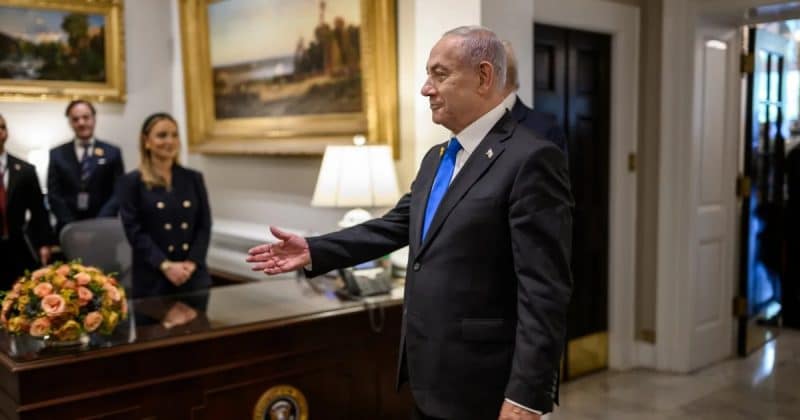
Israeli Prime Minister Benjamin Netanyahu declared on July 8, 2026, that Iran “definitely” possesses chemical weapons, warning that Tehran would have “no compunction” about using them against Americans. The claim, made during a Newsmax interview, arrives against a backdrop of joint US-Israeli military operations and an increasingly aggressive sanctions posture that has already reached into the crypto industry.

Netanyahu argued that Iran has demonstrated a willingness to harm its own citizens, and that the regime could “murder hundreds of thousands of Americans if they could.”

The crypto sanctions angle

In June 2026, the US Treasury designated Nobitex, Iran’s largest digital asset exchange, for its role in facilitating terror finance and sanctions evasion. That move placed Nobitex squarely on the Office of Foreign Assets Control blacklist, making any interaction with the platform a potential federal offense for US persons and entities.

Advertisement

The Nobitex designation reflects a broader pattern. Washington has spent the last several years tightening the noose on sanctioned nations’ use of crypto infrastructure. North Korea’s Lazarus Group, Russia’s Garantex exchange, and now Iran’s primary crypto on-ramp have all landed in Treasury’s crosshairs.

Sanctions compliance has become a defining challenge for exchanges, DeFi protocols, and even stablecoin issuers. Tether has repeatedly faced questions about whether its tokens circulate through sanctioned jurisdictions. Circle has positioned USDC as the compliance-first alternative.

Geopolitical risk and crypto volatility

The joint US-Israeli military campaign, referred to as Operation Roaring Lion, has reportedly degraded Iran’s nuclear weapons production capability significantly. Netanyahu framed the chemical weapons claim as evidence that even with nuclear ambitions curtailed, Iran retains other categories of weapons of mass destruction.

Iran’s status as a signatory to the Chemical Weapons Convention adds a layer of diplomatic complexity. Allegations regarding Iranian chemical capabilities date back to the early 2000s.

What this means for crypto investors

The Nobitex designation in June 2026 was part of a coordinated campaign to deny sanctioned regimes access to dollar-denominated financial infrastructure, including stablecoins and decentralized protocols.

Exchanges that fail to implement robust sanctions screening face existential regulatory risk. Any platform that processes transactions linked to designated entities, even unknowingly, can find itself on the wrong side of Treasury enforcement. This creates a competitive moat for well-capitalized, compliance-heavy platforms and a survival threat for smaller ones.

DeFi front-ends, bridge operators, and privacy-focused projects sit in the most precarious position, since they often lack the centralized compliance teams needed to respond to rapidly evolving sanctions lists.

Disclosure: This article was edited by Editorial Team. For more information on how we create and review content, see our Editorial Policy.

Netanyahu claims Iran possesses chemical weapons as US Treasury tightens crypto sanctions on Tehran

Netanyahu claims Iran possesses chemical weapons as US Treasury tightens crypto sanctions on Tehran

Israel's prime minister escalated rhetoric against Iran, while recent US sanctions on Iranian crypto exchange Nobitex underscore how digital assets intersect with geopolitical conflict.

Israeli Prime Minister Benjamin Netanyahu declared on July 8, 2026, that Iran “definitely” possesses chemical weapons, warning that Tehran would have “no compunction” about using them against Americans. The claim, made during a Newsmax interview, arrives against a backdrop of joint US-Israeli military operations and an increasingly aggressive sanctions posture that has already reached into the crypto industry.

Netanyahu argued that Iran has demonstrated a willingness to harm its own citizens, and that the regime could “murder hundreds of thousands of Americans if they could.”

The crypto sanctions angle

In June 2026, the US Treasury designated Nobitex, Iran’s largest digital asset exchange, for its role in facilitating terror finance and sanctions evasion. That move placed Nobitex squarely on the Office of Foreign Assets Control blacklist, making any interaction with the platform a potential federal offense for US persons and entities.

Advertisement

The Nobitex designation reflects a broader pattern. Washington has spent the last several years tightening the noose on sanctioned nations’ use of crypto infrastructure. North Korea’s Lazarus Group, Russia’s Garantex exchange, and now Iran’s primary crypto on-ramp have all landed in Treasury’s crosshairs.

Sanctions compliance has become a defining challenge for exchanges, DeFi protocols, and even stablecoin issuers. Tether has repeatedly faced questions about whether its tokens circulate through sanctioned jurisdictions. Circle has positioned USDC as the compliance-first alternative.

Geopolitical risk and crypto volatility

The joint US-Israeli military campaign, referred to as Operation Roaring Lion, has reportedly degraded Iran’s nuclear weapons production capability significantly. Netanyahu framed the chemical weapons claim as evidence that even with nuclear ambitions curtailed, Iran retains other categories of weapons of mass destruction.

Iran’s status as a signatory to the Chemical Weapons Convention adds a layer of diplomatic complexity. Allegations regarding Iranian chemical capabilities date back to the early 2000s.

What this means for crypto investors

The Nobitex designation in June 2026 was part of a coordinated campaign to deny sanctioned regimes access to dollar-denominated financial infrastructure, including stablecoins and decentralized protocols.

Exchanges that fail to implement robust sanctions screening face existential regulatory risk. Any platform that processes transactions linked to designated entities, even unknowingly, can find itself on the wrong side of Treasury enforcement. This creates a competitive moat for well-capitalized, compliance-heavy platforms and a survival threat for smaller ones.

DeFi front-ends, bridge operators, and privacy-focused projects sit in the most precarious position, since they often lack the centralized compliance teams needed to respond to rapidly evolving sanctions lists.

Disclosure: This article was edited by Editorial Team. For more information on how we create and review content, see our Editorial Policy.