
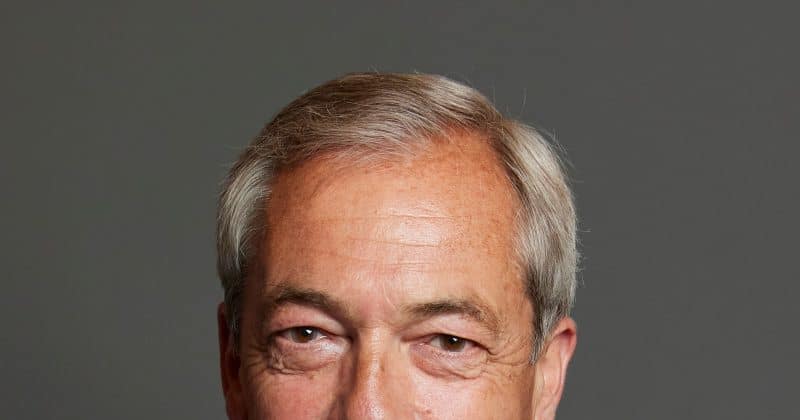
Nigel Farage, leader of the right-wing Reform UK party and MP for Clacton, has announced his resignation from parliament, only to indicate his intention to run again for his seat. This move is seen as a strategic maneuver to force a by-election, following a parliamentary standards investigation into undeclared financial benefits. Despite the controversy, major political parties, including Labour and the Conservatives, have decided not to contest the by-election. Markets appear to interpret Farage’s resignation and subsequent candidacy as consistent with a scenario that could strengthen his odds of winning the by-election, as reflected in the recent increase in his implied victory probability.
Key Takeaways
- Farage’s resignation and subsequent re-election campaign appear to have boosted his market odds, suggesting increased confidence in his chances.
- The decision of major parties not to contest the by-election may indicate a perception of Farage’s strong local support, consistent with market pricing supportive of a YES outcome.
- Market movements suggest that participants view this strategic resignation as a potential advantage for Farage in the upcoming election.
What to Watch
Observers will be monitoring the progression of the parliamentary standards investigation, which could resume if Farage returns to office. Additionally, polling data and local campaign developments may further impact market perceptions. Should new evidence arise regarding Farage’s financial dealings, it could influence both public opinion and market pricing, potentially altering the current outlook. The by-election’s timing and any shifts in party endorsements will also be key indicators to watch.