
Nvidia denies Kyber server rack delay, shares turn positive

Nvidia denies Kyber server rack delay, shares turn positive

The chipmaker pushed back on a SemiAnalysis report claiming its next-gen NVL144 rack had slipped from 2027 to 2028, and Wall Street appears to be buying the denial

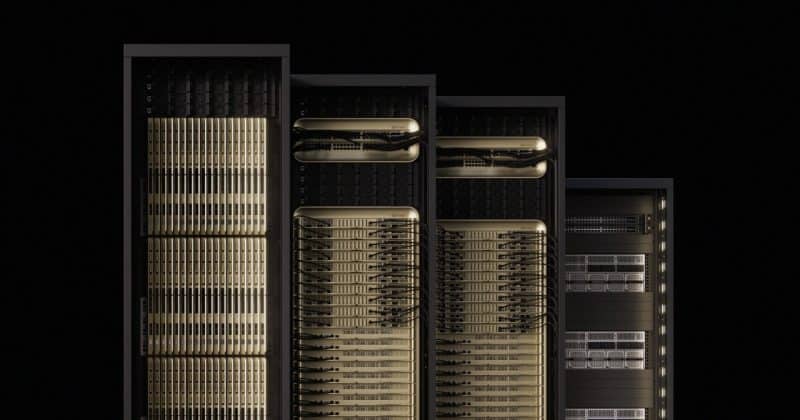
Nvidia wants everyone to know: the Kyber is still on track. The company issued a firm denial on July 6 after research firm SemiAnalysis published a report claiming the Kyber NVL144 AI server rack had been delayed by a full year, from 2027 to 2028, due to manufacturing complications with a critical printed circuit board component.

Investors apparently liked the sound of “nothing to see here.” Nvidia shares rose roughly 1% following the company’s statement that its product roadmap remains intact.

What SemiAnalysis claimed, and why it spooked the market

The SemiAnalysis report, published on July 6, pointed to difficulties with the Kyber rack’s multi-layer PCB midplane as the culprit behind the alleged delay. The Kyber NVL144 is designed to house Nvidia’s forthcoming Rubin Ultra chips in dense configurations built specifically for AI workloads.

Advertisement

That’s why the report caught attention across major financial outlets including CNBC and Seeking Alpha on the same day.

An Nvidia spokesperson responded bluntly, stating the company’s roadmap is unchanged. No hedging, no “we’re evaluating timelines.” Just a flat denial.

The Kyber’s significance in Nvidia’s AI roadmap

Jensen Huang first showcased the Kyber design at GTC roughly three months before the SemiAnalysis report dropped. The architecture supports configurations of up to 144 GPUs per rack, with plans to scale to even larger NVL setups. Instead of bolting together a bunch of separate servers, the entire rack functions as one giant compute unit.

The Rubin Ultra chips that Kyber is built around represent the next node in Nvidia’s GPU evolution beyond the current Blackwell generation. Delaying the rack that houses them would effectively strand the chips without their optimal deployment platform.

What this means for investors

The 1% share price recovery after the denial suggests the market is giving Nvidia the benefit of the doubt for now. Nvidia chose to respond quickly and categorically, rather than issuing a vague “we don’t comment on rumors” non-answer.

Disclosure: This article was edited by Editorial Team. For more information on how we create and review content, see our Editorial Policy.

Nvidia denies Kyber server rack delay, shares turn positive

Nvidia denies Kyber server rack delay, shares turn positive

The chipmaker pushed back on a SemiAnalysis report claiming its next-gen NVL144 rack had slipped from 2027 to 2028, and Wall Street appears to be buying the denial

Nvidia wants everyone to know: the Kyber is still on track. The company issued a firm denial on July 6 after research firm SemiAnalysis published a report claiming the Kyber NVL144 AI server rack had been delayed by a full year, from 2027 to 2028, due to manufacturing complications with a critical printed circuit board component.

Investors apparently liked the sound of “nothing to see here.” Nvidia shares rose roughly 1% following the company’s statement that its product roadmap remains intact.

What SemiAnalysis claimed, and why it spooked the market

The SemiAnalysis report, published on July 6, pointed to difficulties with the Kyber rack’s multi-layer PCB midplane as the culprit behind the alleged delay. The Kyber NVL144 is designed to house Nvidia’s forthcoming Rubin Ultra chips in dense configurations built specifically for AI workloads.

Advertisement

That’s why the report caught attention across major financial outlets including CNBC and Seeking Alpha on the same day.

An Nvidia spokesperson responded bluntly, stating the company’s roadmap is unchanged. No hedging, no “we’re evaluating timelines.” Just a flat denial.

The Kyber’s significance in Nvidia’s AI roadmap

Jensen Huang first showcased the Kyber design at GTC roughly three months before the SemiAnalysis report dropped. The architecture supports configurations of up to 144 GPUs per rack, with plans to scale to even larger NVL setups. Instead of bolting together a bunch of separate servers, the entire rack functions as one giant compute unit.

The Rubin Ultra chips that Kyber is built around represent the next node in Nvidia’s GPU evolution beyond the current Blackwell generation. Delaying the rack that houses them would effectively strand the chips without their optimal deployment platform.

What this means for investors

The 1% share price recovery after the denial suggests the market is giving Nvidia the benefit of the doubt for now. Nvidia chose to respond quickly and categorically, rather than issuing a vague “we don’t comment on rumors” non-answer.

Disclosure: This article was edited by Editorial Team. For more information on how we create and review content, see our Editorial Policy.