
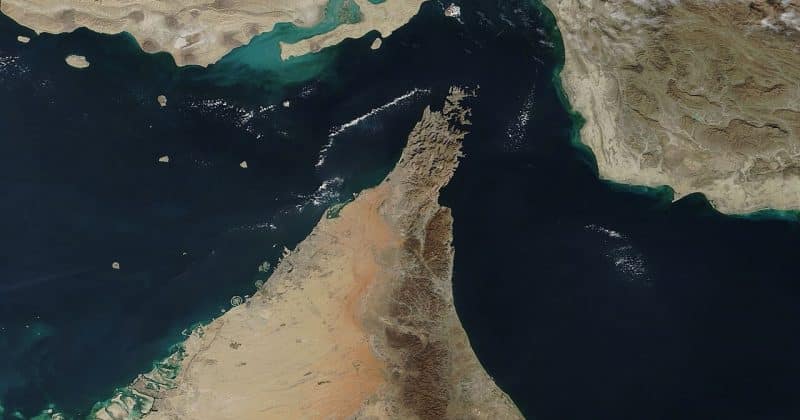
World faces risk of oil price spikes after loss of 1 billion barrels from Hormuz disruption
The largest supply disruption in history has drained strategic reserves to 40-year lows, leaving global markets exposed to future shocks
The global oil market just absorbed a hit that the International Energy Agency is calling the largest supply disruption in history. Over 1 billion barrels of oil have been wiped from global supplies following the Strait of Hormuz crisis, and while emergency measures kept the worst-case scenario at bay, the safety net is now dangerously thin.
Analytics firm Kpler pegs the cumulative loss at 1.15 billion barrels. The disruption traces back to the Iran conflict that began on February 28, 2026, which effectively choked the Strait of Hormuz. Roughly a fifth of the world’s petroleum passes through that narrow waterway on any given day.
The international response was swift but expensive. Emergency IEA releases and other buffer mechanisms pumped approximately 2.5 million barrels per day over four months to keep markets functioning. By mid-July 2026, those emergency buffers were largely depleted. The US Strategic Petroleum Reserve has fallen to its lowest level in 40 years. OECD total liquid fuels inventories are projected to slide to just under 2.3 billion barrels by December 2026.
A memorandum of understanding between the United States and Iran in June 2026 helped reopen the Strait of Hormuz, which took some immediate pressure off supply chains. Brent crude, which had averaged around $107 per barrel in May 2026, eased somewhat after the agreement.
Macro, rates, and crypto—what moved markets and what matters next.
Daily. Free. Join 34,000+ readers across crypto, finance, and policy.
For anyone with exposure to energy markets, whether through direct commodity positions, energy equities, or broader portfolios sensitive to input costs, the calculus has shifted materially. With inventories at multi-year lows and strategic reserves at their weakest point in four decades, the price response to any future supply disruption will likely be sharper and faster than what we saw at the onset of the Hormuz crisis.
The timeline for rebuilding reserves matters enormously. Until those stockpiles are meaningfully replenished, every barrel of unexpected supply loss or demand increase carries outsized price impact. Investors watching energy markets should track inventory rebuild rates as closely as they track spot prices, because the gap between current stockpiles and historical norms is the real measure of how fragile this market remains.