
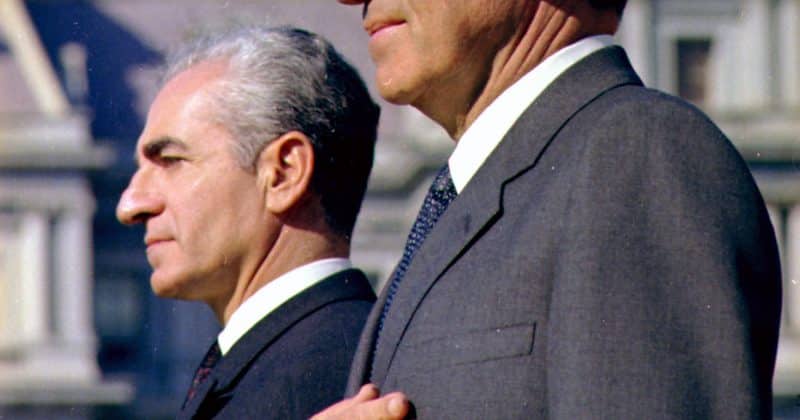
Global oil prices fall to 3-month low as Pakistan cites US-Iran peace deal
The diplomatic breakthrough sent WTI crude tumbling to $84-$87 per barrel while crypto markets rallied on improved risk sentiment
Oil markets just got a reality check. Pakistan’s Prime Minister Shehbaz Sharif announced on June 12 that a final text for a US-Iran peace agreement has been completed, and crude prices responded by cratering to levels not seen in three months.
WTI crude dropped to between $84 and $87 per barrel, while Brent crude fell to the $88 to $90 range. Brent saw sessions with declines exceeding 3% as the peace deal reports gained traction.
What the deal actually includes
The agreement reportedly contains several concrete provisions that directly affect global energy supply. The most consequential element: reopening the Strait of Hormuz. Roughly one-fifth of the world’s oil passes through that narrow waterway.
Beyond the strait, the deal includes sanctions waivers on Iranian oil exports, the potential release of frozen Iranian assets, and a ceasefire framework building on earlier conflict de-escalation.
Pakistan brokered an earlier ceasefire between the US and Iran on April 8, 2026, which laid the groundwork for these more comprehensive negotiations.
Why crypto traders should care about oil diplomacy
Bitcoin and other digital assets showed price increases correlated with peace deal developments throughout May and June 2026. Lower oil prices reduce inflationary pressure, which makes central banks less likely to tighten monetary policy, which makes risk assets more attractive.
The prediction market platform Polymarket recorded over $178 million in contract volumes tied to optimism around the peace deal.
No specific cryptocurrency was directly tied to the announcement itself. Bitcoin’s movements reflect the broader market’s reaction to de-escalation and falling oil prices, not some unique crypto-specific catalyst.
What investors should actually watch
For oil markets, a confirmed and implemented peace agreement would mean Iranian crude returning to global supply. Iran sits on some of the world’s largest proven oil reserves, and sanctions have kept a significant portion of that supply off the market.
The real risk for both markets is implementation failure. Peace deals can collapse during ratification, and any sign that either Washington or Tehran is backing away from the terms could reverse the oil decline sharply and introduce fresh volatility across all asset classes.