
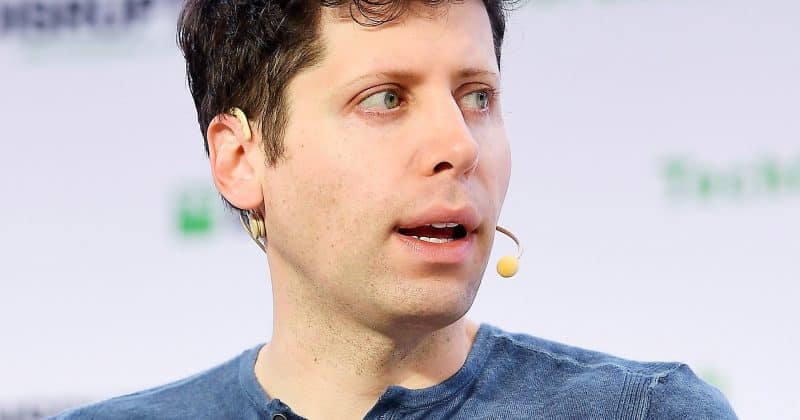
OpenAI joins push for safety testing of advanced AI models

OpenAI joins push for safety testing of advanced AI models

The company behind ChatGPT is now part of a growing coalition letting the US government peek under the hood before releasing its most powerful AI systems.

OpenAI, the company that arguably started the generative AI arms race, is now actively participating in government-led safety testing of its most advanced models. The move is part of a broader industry shift toward voluntary cooperation with federal regulators, one that has quietly expanded to include most of the major players in frontier AI development.

From handshake deals to structured agreements

The formal groundwork was laid on August 29, 2024, when OpenAI and Anthropic each signed a memorandum of understanding with the US AI Safety Institute. The agreement gave government researchers collaborative access to frontier models, allowing them to evaluate capabilities, risks, and potential mitigations both before and after public release.

Advertisement

By August 2025, the two companies publicly released findings from a joint evaluation of each other’s models, specifically focused on misalignment issues.

By May 2026, the US expanded its voluntary safety pacts to include Google, Microsoft, and xAI. Then, on June 2, 2026, the White House issued a directive establishing benchmarks for what it calls “covered frontier models” and creating voluntary frameworks that would give the government up to 30 days of pre-release access.

The voluntary problem

Every agreement, every framework, every pre-release access window, none of it is legally binding in the way that, say, FDA drug approvals are. Sam Altman highlighted the risks in a 2023 Guardian interview, pointing to disinformation and cyber attacks as potential consequences of AI misuse.

What this means for investors

For crypto markets specifically, the direct impact is approximately zero right now. None of the current AI safety initiatives have produced regulations or frameworks that touch digital assets, blockchain infrastructure, or token markets. The conversations happening in Washington are squarely focused on AI model governance, not on the intersection of AI and decentralized finance.

The White House executive order establishing pre-release access protocols, even voluntary ones, represents a level of government involvement in product development cycles that would have been unthinkable five years ago.

Disclosure: This article was edited by Editorial Team. For more information on how we create and review content, see our Editorial Policy.

OpenAI joins push for safety testing of advanced AI models

OpenAI joins push for safety testing of advanced AI models

The company behind ChatGPT is now part of a growing coalition letting the US government peek under the hood before releasing its most powerful AI systems.

OpenAI, the company that arguably started the generative AI arms race, is now actively participating in government-led safety testing of its most advanced models. The move is part of a broader industry shift toward voluntary cooperation with federal regulators, one that has quietly expanded to include most of the major players in frontier AI development.

From handshake deals to structured agreements

The formal groundwork was laid on August 29, 2024, when OpenAI and Anthropic each signed a memorandum of understanding with the US AI Safety Institute. The agreement gave government researchers collaborative access to frontier models, allowing them to evaluate capabilities, risks, and potential mitigations both before and after public release.

Advertisement

By August 2025, the two companies publicly released findings from a joint evaluation of each other’s models, specifically focused on misalignment issues.

By May 2026, the US expanded its voluntary safety pacts to include Google, Microsoft, and xAI. Then, on June 2, 2026, the White House issued a directive establishing benchmarks for what it calls “covered frontier models” and creating voluntary frameworks that would give the government up to 30 days of pre-release access.

The voluntary problem

Every agreement, every framework, every pre-release access window, none of it is legally binding in the way that, say, FDA drug approvals are. Sam Altman highlighted the risks in a 2023 Guardian interview, pointing to disinformation and cyber attacks as potential consequences of AI misuse.

What this means for investors

For crypto markets specifically, the direct impact is approximately zero right now. None of the current AI safety initiatives have produced regulations or frameworks that touch digital assets, blockchain infrastructure, or token markets. The conversations happening in Washington are squarely focused on AI model governance, not on the intersection of AI and decentralized finance.

The White House executive order establishing pre-release access protocols, even voluntary ones, represents a level of government involvement in product development cycles that would have been unthinkable five years ago.

Disclosure: This article was edited by Editorial Team. For more information on how we create and review content, see our Editorial Policy.