
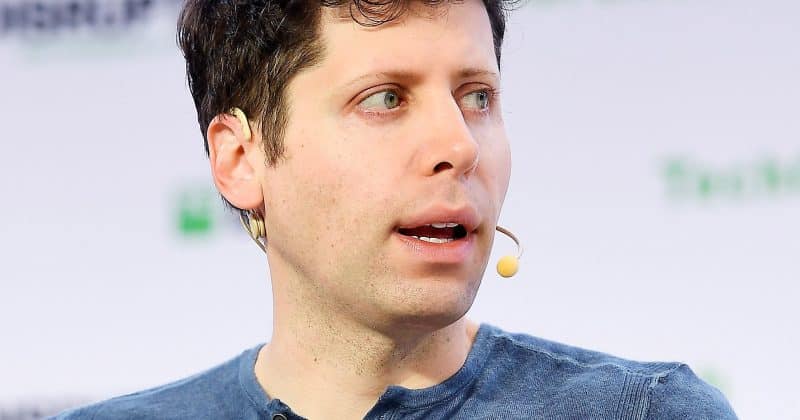
OpenAI demonstrates alignment gains through reinforcement learning on beneficial traits

OpenAI demonstrates alignment gains through reinforcement learning on beneficial traits

The AI lab says training models on durable behavioral traits like honesty and reliability produces alignment that generalizes across domains and holds up under adversarial pressure.

OpenAI is making the case that reinforcement learning focused on instilling specific beneficial traits, think honesty, intent interpretation, and reliability, can produce AI systems that stay aligned with human expectations even when someone is actively trying to break them.

What reinforcement learning on beneficial traits actually means

OpenAI’s Alignment Training team has been narrowing the definition of alignment to something more concrete: durable behavioral traits. Not just “follows instructions” but “follows the spirit of instructions, tells you when it’s uncertain, and doesn’t crumble when a clever prompt tries to make it misbehave.”

The foundation of this work traces back to OpenAI’s 2022 InstructGPT paper, which pioneered reinforcement learning from human feedback, or RLHF. Human evaluators rank the model’s outputs, and the model learns to produce responses that humans prefer.

Advertisement

What’s evolving now is the specificity of what the model is being reinforced on. Rather than a general “be helpful” signal, the approach targets distinct traits. Honesty as a trainable behavior. Intent interpretation as a skill the model can improve at. Reliability under pressure as a measurable property.

Generalization and adversarial robustness

AI models are notorious for learning narrow tricks. A model trained to be honest about math might still fabricate historical facts. A model trained to resist jailbreaks in one format might fold immediately when the attack comes in a different structure.

OpenAI’s Alignment Research blog has shared insights on robustness and value alignment as ongoing research areas. No detailed information is available regarding a specific beneficial traits reinforcement learning method as of the current search period.

Why this matters beyond the AI lab

The practical question for anyone building on top of AI models is trust. Can you deploy a model in a customer-facing application and be confident it won’t go off the rails? Can you use it in a financial context without worrying it will hallucinate numbers? Can you put it in a healthcare setting without it confidently dispensing dangerous advice?

OpenAI isn’t the only lab working on alignment. Anthropic has built its entire brand around safety-first development. Google DeepMind has its own alignment teams. Meta is pursuing open-source approaches that raise different alignment questions entirely.

No cryptocurrencies or digital assets are referenced in connection with OpenAI’s alignment research.

Disclosure: This article was edited by Editorial Team. For more information on how we create and review content, see our Editorial Policy.

OpenAI demonstrates alignment gains through reinforcement learning on beneficial traits

OpenAI demonstrates alignment gains through reinforcement learning on beneficial traits

The AI lab says training models on durable behavioral traits like honesty and reliability produces alignment that generalizes across domains and holds up under adversarial pressure.

OpenAI is making the case that reinforcement learning focused on instilling specific beneficial traits, think honesty, intent interpretation, and reliability, can produce AI systems that stay aligned with human expectations even when someone is actively trying to break them.

What reinforcement learning on beneficial traits actually means

OpenAI’s Alignment Training team has been narrowing the definition of alignment to something more concrete: durable behavioral traits. Not just “follows instructions” but “follows the spirit of instructions, tells you when it’s uncertain, and doesn’t crumble when a clever prompt tries to make it misbehave.”

The foundation of this work traces back to OpenAI’s 2022 InstructGPT paper, which pioneered reinforcement learning from human feedback, or RLHF. Human evaluators rank the model’s outputs, and the model learns to produce responses that humans prefer.

Advertisement

What’s evolving now is the specificity of what the model is being reinforced on. Rather than a general “be helpful” signal, the approach targets distinct traits. Honesty as a trainable behavior. Intent interpretation as a skill the model can improve at. Reliability under pressure as a measurable property.

Generalization and adversarial robustness

AI models are notorious for learning narrow tricks. A model trained to be honest about math might still fabricate historical facts. A model trained to resist jailbreaks in one format might fold immediately when the attack comes in a different structure.

OpenAI’s Alignment Research blog has shared insights on robustness and value alignment as ongoing research areas. No detailed information is available regarding a specific beneficial traits reinforcement learning method as of the current search period.

Why this matters beyond the AI lab

The practical question for anyone building on top of AI models is trust. Can you deploy a model in a customer-facing application and be confident it won’t go off the rails? Can you use it in a financial context without worrying it will hallucinate numbers? Can you put it in a healthcare setting without it confidently dispensing dangerous advice?

OpenAI isn’t the only lab working on alignment. Anthropic has built its entire brand around safety-first development. Google DeepMind has its own alignment teams. Meta is pursuing open-source approaches that raise different alignment questions entirely.

No cryptocurrencies or digital assets are referenced in connection with OpenAI’s alignment research.

Disclosure: This article was edited by Editorial Team. For more information on how we create and review content, see our Editorial Policy.