
Nexo Earn with Nexo
Over 100M barrels pass through Strait of Hormuz, indicating partial recovery

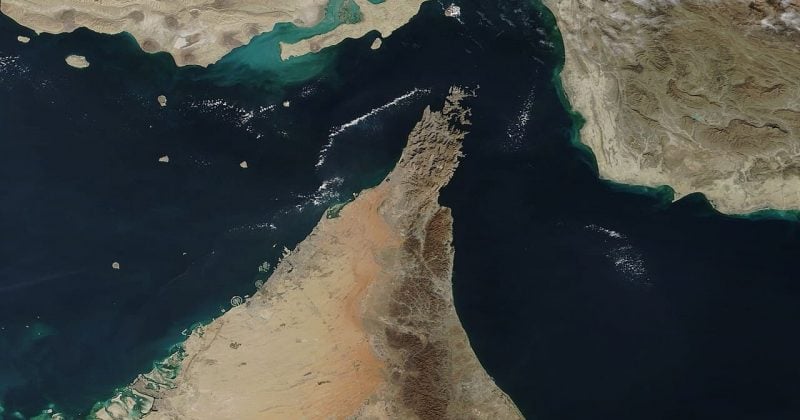
https://en.wikipedia.org/wiki/Strait_of_Hormuz

Over 100M barrels pass through Strait of Hormuz, indicating partial recovery

Strait of hormuz normal traffic

Market Snapshot

The market for “Strait of Hormuz traffic returns to normal by June 15?” is currently priced at 0.5% YES, down from 1% 24 hours ago. The “Strait of Hormuz traffic returns to normal by end of June?” market shows 8.5% YES, a decline from 10% over the same period.

Key Takeaways

  • The report of over 100 million barrels passing through Hormuz suggests a partial recovery in traffic flow, consistent with increased activity.
  • Markets appear to view this development as supportive of traffic normalization, though immediate pricing reflects skepticism about a full return to normal by mid-June.
  • The substantial volume reported may indicate easing tensions and improved conditions, aligning with the YES scenario for end-of-June normalization.

Article Body

A recent report indicates that more than 100 million barrels of oil are currently passing through the Strait of Hormuz, a critical chokepoint for global energy transit. The strait, located between Iran and Oman, has seen significant disruption due to regional conflicts, impacting oil and gas flows that constitute about 20% of global supplies. While traffic had been severely reduced, the new figures suggest a partial recovery, pointing to an easing of the immediate disruption. This follows a period of nearly stagnant traffic and indicates a potential stabilization, although it falls short of pre-conflict levels.

Advertisement

Market Interpretation

The report on increased oil flow through the Strait of Hormuz is supportive of the YES outcome for traffic normalization markets. However, the immediate market response shows limited optimism for a full return to normal conditions by mid-June, with the June 15 market at 0.5% YES. The shift reflects uncertainty, but the development is more consistent with the end-of-June market scenario, which currently sits at 8.5% YES. The impact is classified as high, given the geopolitical and economic significance of the strait.

What to Watch

Observers should monitor further announcements from key geopolitical actors, such as Iran and the United States, which could influence market perceptions. Diplomatic developments or military movements in the region could significantly impact market pricing. Additionally, reports from organizations like OPEC and the International Maritime Organization may provide further clarity on the status of transit through the strait. With 20 days remaining for the end-of-June market, any changes in the geopolitical landscape could alter the current trajectory.

Get prediction market intelligence as a structured API feed. Early access waitlist.

Disclosure: This article was edited by Estefano Gomez. For more information on how we create and review content, see our Editorial Policy.

Over 100M barrels pass through Strait of Hormuz, indicating partial recovery

Over 100M barrels pass through Strait of Hormuz, indicating partial recovery

Strait of hormuz normal traffic

https://en.wikipedia.org/wiki/Strait_of_Hormuz

Market Snapshot

The market for “Strait of Hormuz traffic returns to normal by June 15?” is currently priced at 0.5% YES, down from 1% 24 hours ago. The “Strait of Hormuz traffic returns to normal by end of June?” market shows 8.5% YES, a decline from 10% over the same period.

Key Takeaways

  • The report of over 100 million barrels passing through Hormuz suggests a partial recovery in traffic flow, consistent with increased activity.
  • Markets appear to view this development as supportive of traffic normalization, though immediate pricing reflects skepticism about a full return to normal by mid-June.
  • The substantial volume reported may indicate easing tensions and improved conditions, aligning with the YES scenario for end-of-June normalization.

Article Body

A recent report indicates that more than 100 million barrels of oil are currently passing through the Strait of Hormuz, a critical chokepoint for global energy transit. The strait, located between Iran and Oman, has seen significant disruption due to regional conflicts, impacting oil and gas flows that constitute about 20% of global supplies. While traffic had been severely reduced, the new figures suggest a partial recovery, pointing to an easing of the immediate disruption. This follows a period of nearly stagnant traffic and indicates a potential stabilization, although it falls short of pre-conflict levels.

Advertisement

Market Interpretation

The report on increased oil flow through the Strait of Hormuz is supportive of the YES outcome for traffic normalization markets. However, the immediate market response shows limited optimism for a full return to normal conditions by mid-June, with the June 15 market at 0.5% YES. The shift reflects uncertainty, but the development is more consistent with the end-of-June market scenario, which currently sits at 8.5% YES. The impact is classified as high, given the geopolitical and economic significance of the strait.

What to Watch

Observers should monitor further announcements from key geopolitical actors, such as Iran and the United States, which could influence market perceptions. Diplomatic developments or military movements in the region could significantly impact market pricing. Additionally, reports from organizations like OPEC and the International Maritime Organization may provide further clarity on the status of transit through the strait. With 20 days remaining for the end-of-June market, any changes in the geopolitical landscape could alter the current trajectory.

Get prediction market intelligence as a structured API feed. Early access waitlist.

Disclosure: This article was edited by Estefano Gomez. For more information on how we create and review content, see our Editorial Policy.