
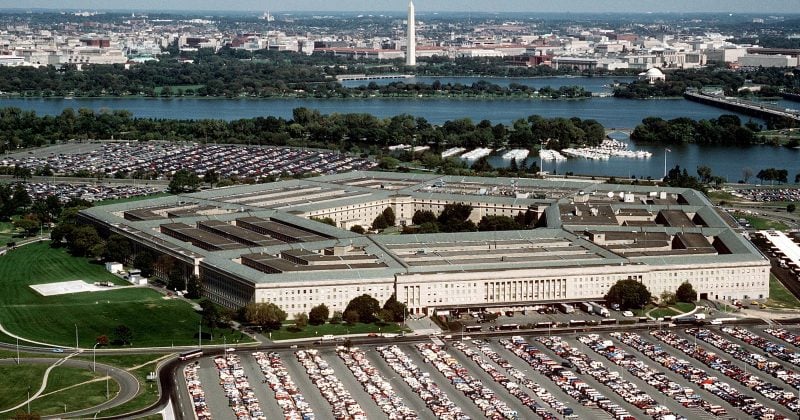
Photo: Hammond, Ken/Master Sgt. / en.wikipedia.org
Pentagon requests $18B in emergency funding for missile stocks, and the macro ripple effects are hard to ignore
The US military's scramble to replenish depleted munitions stockpiles carries implications that stretch well beyond defense contractors and into broader markets.
The Pentagon is asking Congress for billions in emergency supplemental funding to restock missile inventories burned through during US military operations involving Iran.
The numbers behind the ask
The Pentagon’s total supplemental funding request comes in at nearly $90 billion. Of that, $21 billion is specifically earmarked for replacing munitions consumed during the conflict, including critical systems like Patriot interceptors and other air defense missiles.
This isn’t the first time the munitions cupboard has looked bare. In 2025, the Pentagon requested $3.5 billion specifically for missile interceptors depleted during exchanges between Israel and Iran. The current ask dwarfs that figure by a factor of six.
Defense Secretary Pete Hegseth has pegged the cost of the Iran conflict at an estimated $37.5 billion so far. Joint Chiefs Chairman Dan Caine and Hegseth are the principal voices pushing this request through the appropriations process.
Why defense spending matters for all markets
Nearly $90 billion in supplemental spending means $90 billion in additional Treasury issuance, give or take. That’s new supply hitting the bond market at a time when the US deficit is already running hot. More bond supply tends to push yields higher. Higher yields tend to strengthen the dollar.
Macro, rates, and crypto—what moved markets and what matters next.
Daily. Free. Join 34,000+ readers across crypto, finance, and policy.
Defense contractors like RTX Corp stand as the most obvious beneficiaries. When the Pentagon needs to restock $21 billion worth of missiles, someone has to build them. RTX, formerly Raytheon, manufactures the Patriot system and several other interceptor platforms central to this replenishment effort.
The crypto angle nobody’s talking about
There is no direct connection between this Pentagon funding request and digital assets. No one in the Department of Defense is proposing to pay Lockheed Martin in stablecoins.
The $37.5 billion already spent on the Iran conflict is money that will need to be financed, serviced, and eventually repaid. For investors who view Bitcoin as a long-duration bet against monetary debasement, every supplemental spending bill is another data point in their favor.
What investors should watch is whether this supplemental request triggers a broader conversation about spending caps, debt ceiling negotiations, or changes to Treasury issuance strategy. Any of those developments would have direct, measurable effects on the liquidity environment that crypto prices depend on.