
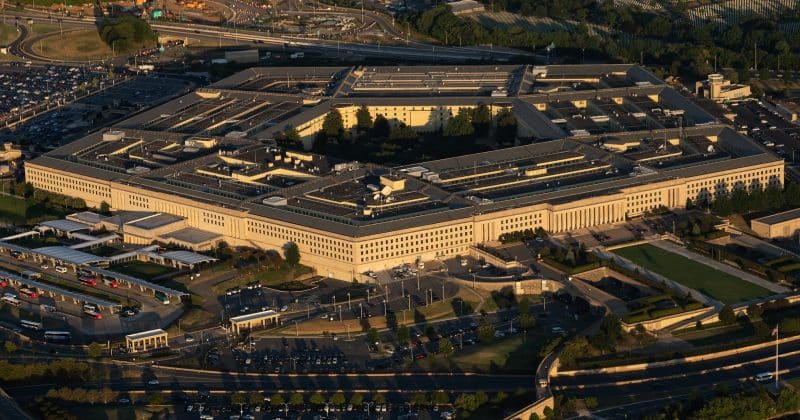
Pentagon seeks $87.6 billion for Iran conflict as defense spending debate rattles macro outlook

Pentagon seeks $87.6 billion for Iran conflict as defense spending debate rattles macro outlook

The largest supplemental war funding request in years could reshape fiscal policy, Treasury yields, and risk appetite across every asset class including crypto.

The Trump administration is asking Congress for $87.6 billion in supplemental funding to cover the Pentagon’s ballooning costs in its military conflict with Iran. A Pentagon official is set to testify before senators about where, exactly, all that money is going.

For context, $87.6 billion is roughly the entire GDP of Kenya. And some senators have already called the request “dead on arrival.”

What the money covers

The lion’s share of the request, somewhere between $67 billion and $70 billion, is earmarked for Pentagon operational costs. That includes munitions replenishment, operational logistics, drone deployments, cybersecurity operations, and classified programs that nobody will talk about publicly.

Advertisement

Within that bucket, $21 billion is specifically designated for missile and munitions replenishment.

Smaller allocations cover domestic agencies like the Coast Guard and National Guard. There are also non-defense line items for agriculture programs and Ebola response.

The cost trajectory tells its own story. By late April 2026, the Pentagon estimated its Iran-related operational costs at roughly $25 billion. By mid-May, that figure had climbed to approximately $29 billion.

Defense Secretary Pete Hegseth and Comptroller Jay Hurst are expected to testify before Congress on the budget specifics.

Why Congress is pushing back

Congress never actually authorized military operations against Iran. Earlier in 2026, War Powers resolutions that would have required formal authorization were defeated, but that hasn’t stopped lawmakers from both parties from questioning whether the executive branch should be writing $87.6 billion checks without explicit congressional sign-off.

Bipartisan skepticism is the operative phrase. Republicans are worried about the fiscal implications at a time when tax policy is already under strain. Democrats are raising constitutional questions about war-making authority.

Disclosure: This article was edited by Editorial Team. For more information on how we create and review content, see our Editorial Policy.

Pentagon seeks $87.6 billion for Iran conflict as defense spending debate rattles macro outlook

Pentagon seeks $87.6 billion for Iran conflict as defense spending debate rattles macro outlook

The largest supplemental war funding request in years could reshape fiscal policy, Treasury yields, and risk appetite across every asset class including crypto.

The Trump administration is asking Congress for $87.6 billion in supplemental funding to cover the Pentagon’s ballooning costs in its military conflict with Iran. A Pentagon official is set to testify before senators about where, exactly, all that money is going.

For context, $87.6 billion is roughly the entire GDP of Kenya. And some senators have already called the request “dead on arrival.”

What the money covers

The lion’s share of the request, somewhere between $67 billion and $70 billion, is earmarked for Pentagon operational costs. That includes munitions replenishment, operational logistics, drone deployments, cybersecurity operations, and classified programs that nobody will talk about publicly.

Advertisement

Within that bucket, $21 billion is specifically designated for missile and munitions replenishment.

Smaller allocations cover domestic agencies like the Coast Guard and National Guard. There are also non-defense line items for agriculture programs and Ebola response.

The cost trajectory tells its own story. By late April 2026, the Pentagon estimated its Iran-related operational costs at roughly $25 billion. By mid-May, that figure had climbed to approximately $29 billion.

Defense Secretary Pete Hegseth and Comptroller Jay Hurst are expected to testify before Congress on the budget specifics.

Why Congress is pushing back

Congress never actually authorized military operations against Iran. Earlier in 2026, War Powers resolutions that would have required formal authorization were defeated, but that hasn’t stopped lawmakers from both parties from questioning whether the executive branch should be writing $87.6 billion checks without explicit congressional sign-off.

Bipartisan skepticism is the operative phrase. Republicans are worried about the fiscal implications at a time when tax policy is already under strain. Democrats are raising constitutional questions about war-making authority.

Disclosure: This article was edited by Editorial Team. For more information on how we create and review content, see our Editorial Policy.