
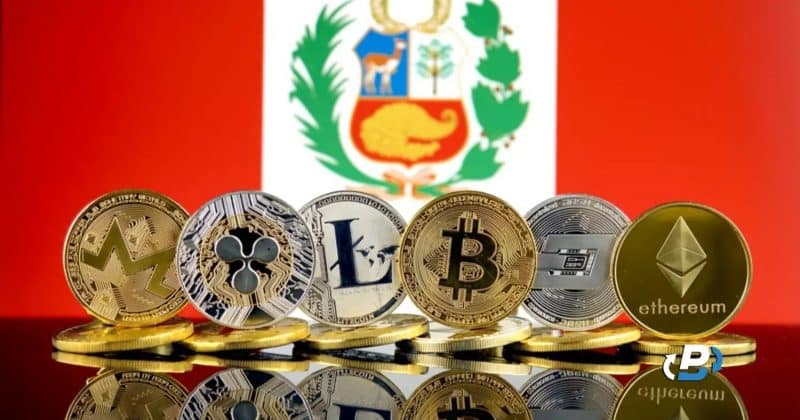
Peru’s crypto users double to over 1 million in two years
The South American nation now ranks among the top six crypto markets in Latin America by transaction volume, fueled by fintech adoption and a central bank warming to digital assets.
Peru just quietly became one of Latin America’s fastest-growing crypto markets. Some 3.7% of the country’s population, over one million people, now actively use digital assets. That figure has doubled in less than two years, according to analysis from the organizers of Peru Blockchain Conference 2026.
Peru has leapfrogged Chile in regional crypto transaction volume and now sits among the top six nations in Latin America by that measure.
The numbers behind the surge
Crypto app downloads in Peru reached approximately 2.9 to 3 million in 2025, a 50% year-over-year increase. Some snapshots from 2026 have pegged active crypto users in Peru as high as 2.5 million. The gap between that figure and the “over one million” cited in the Blockchain Conference analysis likely reflects differences in how “active” gets defined.
Local fintech apps like Yape and Plin have become ubiquitous payment tools across the country, processing everyday transactions from street vendors to utility bills. These platforms have created a digitally literate user base that’s comfortable moving money through a phone screen, lowering the barrier to entry for crypto adoption.
The central bank factor
Peru’s CBDC pilot has exceeded 3.5 million users, a notable figure that actually surpasses the number of active crypto users. The program has performed well enough that authorities extended it through March 2027.
The news moving money, markets, and the world—before your day starts.
Daily. Free. Join 34,000+ readers across crypto, finance, and policy.
The regulatory environment remains a work in progress. Peru hasn’t enacted comprehensive crypto-specific legislation on par with what markets like Brazil or the EU have implemented, with current regulations focusing primarily on anti-money laundering measures for virtual asset service providers.
What this means for the regional crypto landscape
Peru surpassed Chile in crypto transaction volume in 2024. Chile has a significantly higher GDP per capita and a more developed financial system, suggesting that crypto adoption in the region correlates more closely with mobile payment infrastructure than with wealth or financial sophistication.
Peru’s political instability, having cycled through multiple presidents in recent years, means regulatory frameworks could shift quickly. The lack of comprehensive crypto legislation means user protections remain thin.