
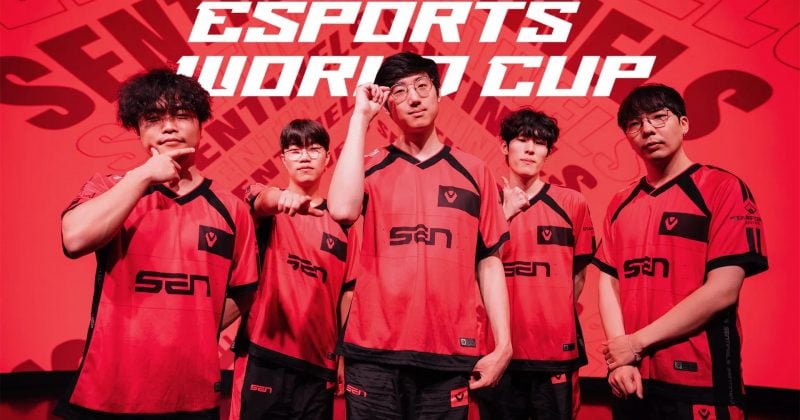
Polymarket bettors are already wagering on the Sentinels vs Cloud9 VCT Americas showdown
Prediction markets are turning esports matchups into tradeable events, and the Sentinels-Cloud9 clash highlights crypto's creeping influence on competitive gaming.
Sentinels and Cloud9, two of the most storied organizations in competitive Valorant, are set to face off in the VCT Americas arena on July 16. But here’s what makes it interesting for the crypto crowd: Polymarket already has active betting markets running on both the series outcome and individual map winners.
The match, a best-of-3 scheduled for 8:00 PM EDT, is part of the VCT 2026 Americas Stage 2 Group Stage, Week 1. It marks the return to a physical arena setting with a live audience.
Prediction markets meet esports
Polymarket, the Polygon-based prediction market platform that exploded into mainstream consciousness during the 2024 US election cycle, has been quietly expanding into esports wagering. The Sentinels vs Cloud9 match is the latest example of how blockchain-native prediction markets are carving out territory that traditional sportsbooks have long dominated.
The mechanics are straightforward. Users buy shares in outcomes, like “Sentinels win series” or “Cloud9 takes Map 2,” and those shares pay out if the prediction lands. The platform doesn’t require users to hold crypto beyond what’s needed to place positions, but every transaction settles on-chain.
The activity around this particular match is notable because it sits inside what’s being called a “Group of Death.” Group Omega features not just Sentinels and Cloud9, but also G2 Esports and 100 Thieves, meaning every match carries outsized implications for playoff positioning.
The news moving money, markets, and the world—before your day starts.
Daily. Free. Join 34,000+ readers across crypto, finance, and policy.
Why the VCT Americas match matters beyond gaming
Neither Sentinels nor Cloud9 has any cryptocurrency or digital asset partnership tied to this event. No token sponsorships, no NFT ticket stubs, no fan tokens changing hands. The esports organizations themselves remain firmly in the traditional sponsorship economy.
Both Sentinels and Cloud9 have undergone roster changes heading into this stage, a routine part of the competitive Valorant calendar that nonetheless reshapes team dynamics and, by extension, betting lines.
The head-to-head history between these two organizations adds another layer. They’ve clashed repeatedly across multiple VCT seasons, building a rivalry that drives viewership.
What crypto investors should watch
The risk side is regulatory. Prediction markets exist in a legal gray zone in many jurisdictions, and esports betting specifically has attracted scrutiny from gaming commissions that are still figuring out how to classify competitive video games alongside traditional sports.
There’s also the question of whether esports organizations will eventually want a cut. If Polymarket and similar platforms are generating meaningful volume off VCT matches, Riot Games and team owners may push for licensing arrangements. Traditional sports leagues have already gone this route with authorized sportsbook partnerships.