
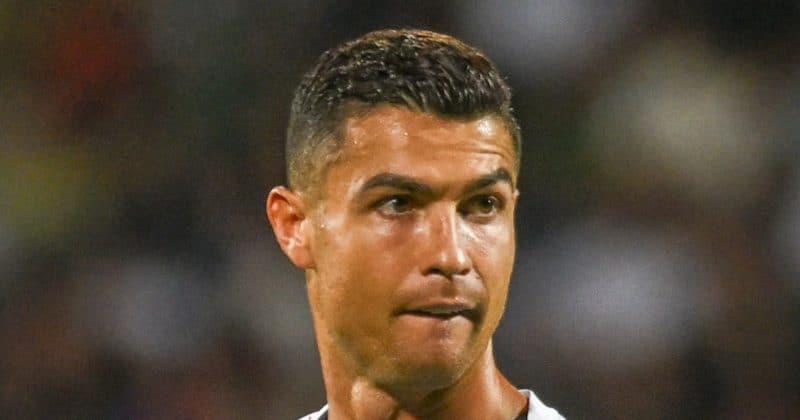
Portugal’s World Cup win over Croatia sends fan tokens surging as Ronaldo draws criticism
Portugal's dramatic stoppage-time victory over Croatia sparked a trading frenzy in football fan tokens, with Cristiano Ronaldo's Binance NFTs back in the spotlight.
Portugal is through to the World Cup quarterfinals, and the crypto market noticed before the final whistle stopped echoing. A 2-1 victory over Croatia at BMO Field in Toronto on July 2, 2026 sent Portugal fan tokens on the Chiliz blockchain into a trading frenzy, illustrating just how tightly sports outcomes and digital asset markets have become intertwined.
The match itself was the kind of game that makes neutral fans briefly forget they are neutral. Croatia took the lead and forced Portugal into comeback mode, and for most of the 90 minutes it looked like extra time was inevitable. Then Cristiano Ronaldo converted a penalty in the 67th minute to level the score, and Gonçalo Ramos settled the contest with a header deep into stoppage time at the 90+3 mark.
Fan tokens and the Ronaldo effect
Croatia’s elimination from the tournament produced an immediate and measurable spike in trading volume for Portugal’s fan token on the Chiliz blockchain. Fan tokens are specifically designed to move with the fortunes of their clubs and national teams, and a quarterfinal berth is the kind of catalyst that pulls casual holders and active traders into the same direction at the same time.
The Chiliz blockchain, which powers the Socios.com fan engagement platform, has been positioning itself as the infrastructure layer for football’s digital economy throughout this tournament. The FIFA World Cup 2026 has also brought Kraken on board as the first official crypto exchange partner for the event, a milestone that signals how far institutional legitimacy in sports-crypto partnerships has traveled since the days when crypto sponsors were mostly confined to arena naming rights and jersey patches.
Ronaldo’s presence in these markets extends well beyond fan tokens. His partnership with Binance produced the CR7 ForeverZone and ForeverSkills NFT collections, both launched around the 2022 World Cup cycle. Those collections are back in conversation now, because every time Ronaldo performs on a global stage, the search interest and secondary market curiosity around his branded digital assets tends to follow.
The news moving money, markets, and the world—before your day starts.
Daily. Free. Join 34,000+ readers across crypto, finance, and policy.
Worth noting: unofficial meme tokens referencing Ronaldo also exist across various chains, but none carry official endorsement. The difference between those and the Binance collections is the difference between a bootleg jersey and the real thing. Buyer awareness matters.
Mauro Cantoro’s take and why it matters for sentiment
Not everyone was applauding. Mauro Cantoro, the former Argentine player turned pundit, used the occasion to publicly question whether Ronaldo still belongs among the game’s elite performers at this level.
Ronaldo’s branded assets are, by design, bets on his continued cultural relevance as much as they are bets on football outcomes. When a high-profile pundit challenges Ronaldo’s relevance, it does not tank his NFT floor prices overnight, but it does introduce the kind of narrative uncertainty that can dampen speculative enthusiasm.
What this World Cup means for crypto sports markets
The FIFA World Cup 2026 is shaping up as the most crypto-integrated major sports event in history, and Portugal’s run is one of the cleaner case studies for how that integration actually works in practice. Kraken’s official partnership gives the tournament a regulated, licensed exchange as its crypto face. Polymarket and other prediction market platforms are also reporting elevated volume during the knockout rounds, as traders look to express views on match outcomes through on-chain instruments rather than traditional sportsbooks.
The pattern here is consistent with what happened during Euro tournaments and Champions League knockout stages on Socios.com in prior years: team advancement correlates with fan token price appreciation, and elimination tends to produce rapid sell-offs as holders exit positions tied to eliminated squads. Croatia’s token holders learned that lesson again on July 2.