
Qatar resumes all maritime activities as Gulf tensions ease

Qatar resumes all maritime activities as Gulf tensions ease

The Gulf state's latest policy reversal signals a temporary calm in a region that controls a significant share of global energy supply, with ripple effects for risk sentiment across markets.

Qatar has announced the immediate resumption of all maritime activities, lifting restrictions that had been imposed just days earlier on non-commercial vessels.

On June 29, 2026, Qatar’s Ministry of Transport suspended all non-commercial maritime activities. That meant leisure boats, fishing vessels, and jet skis were pulled from the water, while commercial and international shipping continued without restriction.

Advertisement

The suspension was framed as a public safety measure amid rising regional security concerns, particularly tensions involving Iran.

Qatar’s latest announcement reverses that suspension entirely, reopening waters to all vessel types with immediate effect. Full maritime navigation for all vessel types had previously resumed on April 12, 2026, with fishing vessels granted 24/7 operating rights. Around-the-clock operations were then reinstated again from May 2 after a separate round of restrictions tied to the Iran conflict.

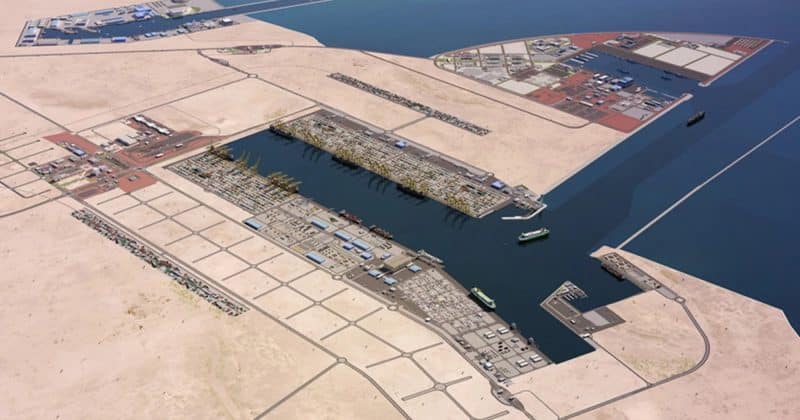
Qatar is one of the world’s largest exporters of liquefied natural gas. Its maritime routes thread through some of the most strategically sensitive waterways on the planet.

Qatar itself is not exactly a crypto-friendly jurisdiction. The country has maintained bans on most virtual asset services since 2020, permitting only security tokens within its financial centre.

That means the direct economic link between Qatar’s maritime policies and digital asset markets is essentially nonexistent. There are no crypto mining operations dependent on Qatari shipping lanes, no DeFi protocols collateralized by LNG futures flowing through Doha’s ports. No direct coverage of these maritime announcements was found in crypto-specific media outlets, linking sentiments only to broader geopolitical discussions.

Disclosure: This article was edited by Editorial Team. For more information on how we create and review content, see our Editorial Policy.

Qatar resumes all maritime activities as Gulf tensions ease

Qatar resumes all maritime activities as Gulf tensions ease

The Gulf state's latest policy reversal signals a temporary calm in a region that controls a significant share of global energy supply, with ripple effects for risk sentiment across markets.

Qatar has announced the immediate resumption of all maritime activities, lifting restrictions that had been imposed just days earlier on non-commercial vessels.

On June 29, 2026, Qatar’s Ministry of Transport suspended all non-commercial maritime activities. That meant leisure boats, fishing vessels, and jet skis were pulled from the water, while commercial and international shipping continued without restriction.

Advertisement

The suspension was framed as a public safety measure amid rising regional security concerns, particularly tensions involving Iran.

Qatar’s latest announcement reverses that suspension entirely, reopening waters to all vessel types with immediate effect. Full maritime navigation for all vessel types had previously resumed on April 12, 2026, with fishing vessels granted 24/7 operating rights. Around-the-clock operations were then reinstated again from May 2 after a separate round of restrictions tied to the Iran conflict.

Qatar is one of the world’s largest exporters of liquefied natural gas. Its maritime routes thread through some of the most strategically sensitive waterways on the planet.

Qatar itself is not exactly a crypto-friendly jurisdiction. The country has maintained bans on most virtual asset services since 2020, permitting only security tokens within its financial centre.

That means the direct economic link between Qatar’s maritime policies and digital asset markets is essentially nonexistent. There are no crypto mining operations dependent on Qatari shipping lanes, no DeFi protocols collateralized by LNG futures flowing through Doha’s ports. No direct coverage of these maritime announcements was found in crypto-specific media outlets, linking sentiments only to broader geopolitical discussions.

Disclosure: This article was edited by Editorial Team. For more information on how we create and review content, see our Editorial Policy.