
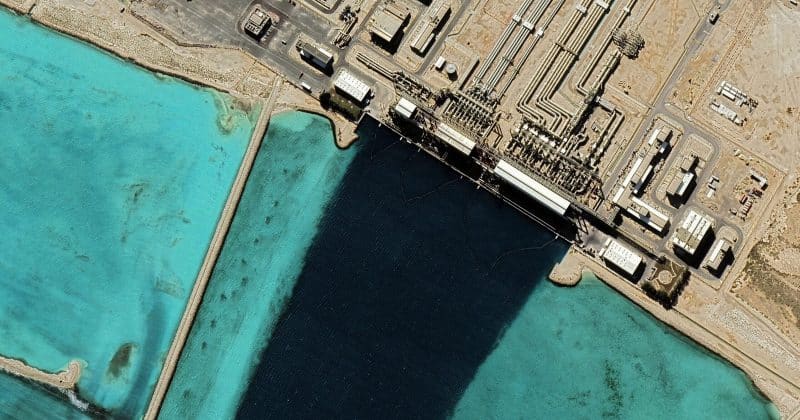
Qatar pursued secret talks with Iran to protect world’s largest gas complex
Clandestine diplomacy failed to prevent an Iranian strike on Ras Laffan that knocked out 17% of Qatar's LNG export capacity for years
Qatar quietly approached Iran with an extraordinary offer: stop gas production in exchange for protection of the most important energy facility on the planet. The gambit didn’t work.
According to a Washington Post report, Qatar engaged in secret negotiations with Tehran aimed at shielding the Ras Laffan LNG complex from Iranian military strikes as the broader regional conflict escalated through early 2026. The facility supplies nearly 20% of the global LNG market, making it less of a national asset and more of a linchpin for the entire world’s energy supply chain.
Despite the diplomatic effort, Iranian forces struck Ras Laffan in mid-March 2026. The damage was severe enough to impair roughly 17% of Qatar’s LNG export capacity, with recovery timelines stretching three to five years. QatarEnergy subsequently declared force majeure on affected contracts.
What happened at Ras Laffan
The attack marked the first reported Iranian strike on Qatari energy infrastructure during the ongoing conflict. It came roughly two weeks after February 28, 2026, when regional strikes on energy infrastructure escalated sharply.
Ras Laffan isn’t just any gas facility. It’s the world’s largest natural gas production site, a sprawling industrial city on Qatar’s northeastern coast that processes and liquefies gas from the massive North Field, the biggest conventional natural gas reservoir ever discovered. The field itself straddles the maritime border between Qatar and Iran, which calls its side South Pars. The two countries have been drawing from the same underground pool for decades.
That shared geology is what made Qatar’s diplomatic approach to Iran so delicate. Offering to halt production from a field that Iran also taps was, in essence, proposing to leave more gas in the ground for Iran’s own extraction. It was a concession with real economic weight, not a symbolic gesture.
The global energy fallout
Qatar has spent decades building itself into the world’s dominant LNG exporter, signing long-term contracts with buyers across Asia and Europe. When QatarEnergy declared force majeure, it effectively told some of the world’s largest energy importers to find alternative supply.
LNG infrastructure takes years to build. New liquefaction trains, the industrial units that cool natural gas into liquid form for shipping, require massive capital investment and long lead times. Physical damage to liquefaction infrastructure is the kind of problem that requires years of engineering and construction to fix.