
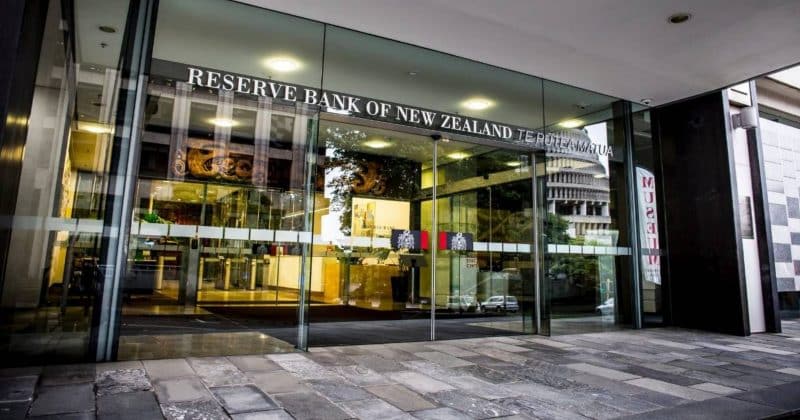
Reserve Bank of New Zealand cuts rates by 50 basis points as easing cycle deepens
The RBNZ's third consecutive half-point cut signals more easing ahead, with broader implications for risk assets including crypto


New Zealand economists are reducing expectations for an interest rate increase next week after easing tensions between the US and Iran lowered oil prices and inflation risks.
ASB Bank and Kiwibank now expect the Reserve Bank of New Zealand to hold the Official Cash Rate at 2.25% on July 8. Westpac also expects no change, while ANZ and BNZ continue to forecast an increase to 2.5%.
Markets now assign a 66% chance of a hike, down from more than 90% at the beginning of June.
The shift follows tentative progress toward peace and the reopening of the Strait of Hormuz, which has improved the outlook for global oil supplies and pushed fuel prices lower.
That reduces the risk that higher transport and energy costs spread into wages and broader inflation.
The July decision had appeared finely balanced after the RBNZ voted 3 to 3 in May. Governor Anna Breman used her casting vote to keep rates unchanged, revealing that policymakers had come close to an increase.
Macro, rates, and crypto—what moved markets and what matters next.
Daily. Free. Join 34,000+ readers across crypto, finance, and policy.
Inflation is still expected to rise above 4% in the second quarter. However, economists expect it to return near the midpoint of the RBNZ’s 1% to 3% target range by the middle of 2027.
Kiwibank said weak growth and high unemployment reduce the risk that temporary fuel inflation becomes embedded through wages.
BNZ remains more concerned that the current 2.25% rate is too stimulatory. The bank expects four increases this year, taking the OCR to an estimated neutral level of 3.25% by December.
The July decision remains close, but the decline in oil prices has reduced pressure on the RBNZ to begin tightening immediately.