
Red Bull Gaming partners with IEM Cologne Major 2026 as crypto betting platform CHEXX also enters the arena
The energy drink giant's esports sponsorship runs alongside a crypto-native betting platform's jersey deal, highlighting how traditional and digital-native brands are converging in competitive gaming
Red Bull Gaming has locked in its role as the official energy drink partner of the IEM Cologne Major 2026, one of the biggest Counter-Strike 2 tournaments on the calendar. The event runs June 2 through June 21, 2026, features 32 teams competing for a $1.25M prize pool, and marks the fifth Major in the CS2 series.
What makes this interesting for crypto watchers isn’t the Red Bull deal itself, which involves zero blockchain technology or digital assets. It’s the company it’s keeping. CHEXX, a crypto-native betting platform, is also sponsoring the event, appearing on paiN Gaming’s team jersey for the duration of the tournament.
Two sponsorship worlds colliding in Cologne
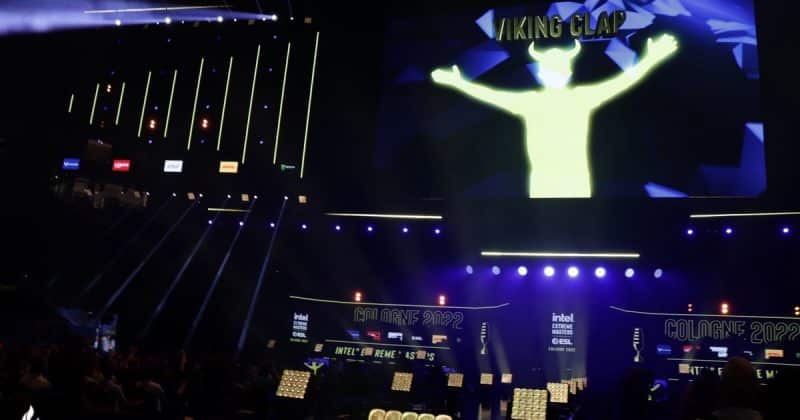
The IEM Cologne Major returns to the Lanxess Arena after a decade-long absence from the iconic venue. Red Bull’s activation at the event goes beyond slapping a logo on the analyst desk. The brand is rolling out energy drinks at concession stands, a live DJ set, and a mechanical bull. Commentators and tournament staff will also have Red Bull products on hand throughout the nearly three-week competition.
On the other side of the sponsorship ledger sits CHEXX, which will promote its crypto-focused betting services to the tournament’s audience. The platform’s jersey sponsorship with paiN Gaming represents the kind of deal that would have seemed outlandish just a few years ago but now barely raises an eyebrow.
The news moving money, markets, and the world—before your day starts.
Daily. Free. Join 34,000+ readers across crypto, finance, and policy.
The esports sponsorship pipeline keeps growing
The IEM Cologne Major’s playoff stages were sold out by mid-June 2026, suggesting the live audience demand for top-tier CS2 events hasn’t cooled. A $1.25M prize pool spread across 32 teams makes this one of the more lucrative stops on the competitive circuit.
The risk, as always, is regulatory. Crypto betting occupies a legal gray area in many jurisdictions, and a high-profile sponsorship at a European event could attract scrutiny from regulators who are already paying close attention to gambling advertising in sports. Germany, where the tournament takes place, has been tightening its gambling regulations in recent years, and any platform operating in that space needs to navigate an increasingly complex compliance landscape.