
Nexo Earn with Nexo
Roku explores strategic options, including potential sale of the company

Roku explores strategic options, including potential sale of the company

The streaming hardware and advertising company is reportedly in early-stage discussions with at least one major US media firm, sending shares surging more than 20%

Roku, the company that quietly became one of the most important gatekeepers in streaming television, is weighing whether to sell itself entirely. The news sent shares rocketing roughly 20% to 22% as investors digested the possibility that one of streaming’s last major independent players might soon have a new owner.

What we know so far

The discussions are still in early stages. At least one major US media company is reportedly in talks about a potential merger, though no final decisions have been reached.

A full sale isn’t the only option on the table. Roku is also considering a private investment in public equity transaction, commonly known as a PIPE deal. In English: an arrangement where institutional investors buy shares directly from the company, typically at a discount, to inject fresh capital without going through the usual public offering process.

Advertisement

Amazon and Comcast are among the names that have surfaced in connection with the discussions. Amazon already dominates smart TV hardware through its Fire TV line. Comcast has been building out its streaming and advertising capabilities through Peacock and its broader NBCUniversal portfolio.

Why Roku matters more than its stock price suggests

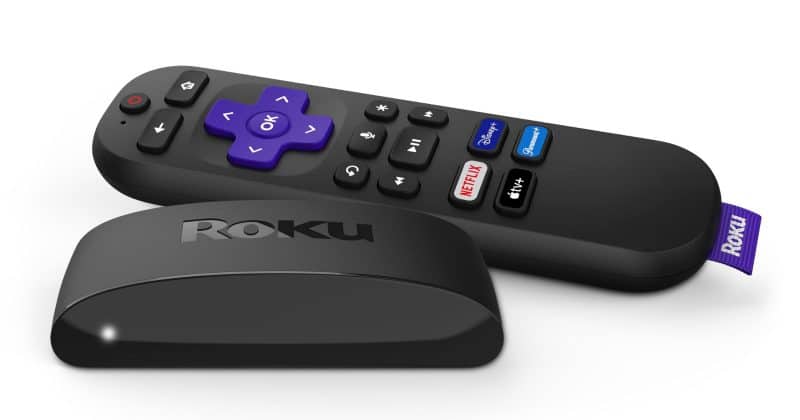
Roku started as a hardware maker selling affordable streaming devices. Over time, it evolved into a platform company that controls the interface between viewers and the apps they use to watch content. The majority of Roku’s revenue comes from its advertising platform. Roku takes a cut of subscription sign-ups that happen through its interface, sells advertising on its free streaming channel, and collects viewer data that advertisers increasingly covet.

What this means for investors and the streaming landscape

The immediate market reaction tells a clear story: investors believe Roku is worth considerably more as an acquisition target than as a standalone company. A 20% to 22% surge in a single session reflects genuine optimism that a deal could unlock value that the market hasn’t been pricing in.

A sale to Amazon would raise immediate antitrust questions, given Amazon’s existing dominance in streaming hardware and its sprawling advertising business. A Comcast deal could create a more integrated competitor in the connected TV ad space.

The PIPE deal alternative is worth watching closely as a potential signal. If Roku ultimately opts for a capital injection rather than a full sale, it would suggest the company believes it can compete independently with more resources.

Disclosure: This article was edited by Editorial Team. For more information on how we create and review content, see our Editorial Policy.

Roku explores strategic options, including potential sale of the company

Roku explores strategic options, including potential sale of the company

The streaming hardware and advertising company is reportedly in early-stage discussions with at least one major US media firm, sending shares surging more than 20%

Roku, the company that quietly became one of the most important gatekeepers in streaming television, is weighing whether to sell itself entirely. The news sent shares rocketing roughly 20% to 22% as investors digested the possibility that one of streaming’s last major independent players might soon have a new owner.

What we know so far

The discussions are still in early stages. At least one major US media company is reportedly in talks about a potential merger, though no final decisions have been reached.

A full sale isn’t the only option on the table. Roku is also considering a private investment in public equity transaction, commonly known as a PIPE deal. In English: an arrangement where institutional investors buy shares directly from the company, typically at a discount, to inject fresh capital without going through the usual public offering process.

Advertisement

Amazon and Comcast are among the names that have surfaced in connection with the discussions. Amazon already dominates smart TV hardware through its Fire TV line. Comcast has been building out its streaming and advertising capabilities through Peacock and its broader NBCUniversal portfolio.

Why Roku matters more than its stock price suggests

Roku started as a hardware maker selling affordable streaming devices. Over time, it evolved into a platform company that controls the interface between viewers and the apps they use to watch content. The majority of Roku’s revenue comes from its advertising platform. Roku takes a cut of subscription sign-ups that happen through its interface, sells advertising on its free streaming channel, and collects viewer data that advertisers increasingly covet.

What this means for investors and the streaming landscape

The immediate market reaction tells a clear story: investors believe Roku is worth considerably more as an acquisition target than as a standalone company. A 20% to 22% surge in a single session reflects genuine optimism that a deal could unlock value that the market hasn’t been pricing in.

A sale to Amazon would raise immediate antitrust questions, given Amazon’s existing dominance in streaming hardware and its sprawling advertising business. A Comcast deal could create a more integrated competitor in the connected TV ad space.

The PIPE deal alternative is worth watching closely as a potential signal. If Roku ultimately opts for a capital injection rather than a full sale, it would suggest the company believes it can compete independently with more resources.

Disclosure: This article was edited by Editorial Team. For more information on how we create and review content, see our Editorial Policy.