
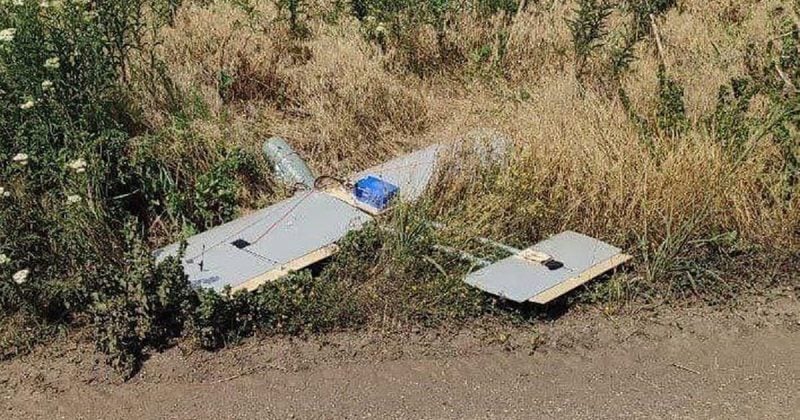
Russia mass-deploys AI-enabled Molniya attack drones in Zaporizhzhia, raising questions about crypto-funded warfare

Russia mass-deploys AI-enabled Molniya attack drones in Zaporizhzhia, raising questions about crypto-funded warfare

Pro-Russia groups have funneled over $8.3 million in digital assets toward drone acquisitions since 2022, according to Chainalysis data

Russia has started deploying a fully autonomous variant of its Molniya strike drone in Ukraine’s Zaporizhzhia region, a development confirmed by Ukrainian defense adviser Serhii Beskrestnov on July 3. The drones navigate and strike targets independently using onboard cameras and computing systems, no control antennas required.

The crypto pipeline funding Russian drones

Pro-Russia groups have raised over $8.3 million through digital assets to fund drone purchases and components since 2022, according to Chainalysis data. That figure spans everything from individual FPV drone kits to the more sophisticated autonomous systems now being fielded.

Two sanctioned Russian entities sit at the center of this funding web. The OKO Design Bureau was sanctioned in May 2024, while KB Vostok followed in August 2024. Both have solicited funds via digital currencies, using the pseudonymous nature of blockchain transactions to work around international financial restrictions.

Advertisement

What makes the Molniya different

Early variants of the Molniya drone reportedly cost around $300 per unit. At that price point, they’re essentially disposable, which is exactly the strategy Russia appears to be pursuing. Mass production of cheap, AI-guided munitions that can overwhelm traditional air defense systems through sheer volume.

Previous iterations relied on fiber-optic tethers and even Starlink terminals for extended operational range. The new autonomous version eliminates those dependencies entirely. The drone’s onboard AI handles navigation, target identification, and engagement without any human operator in the loop after launch.

Ukrainian officials have described this advancement as deeply concerning. When a $300 drone can independently find and strike targets, the economics of warfare shift dramatically.

Sanctions, stablecoins, and the regulatory squeeze

The EU has already expanded its sanctions framework to cover crypto service providers facilitating transactions for sanctioned Russian entities. The US Treasury’s Office of Foreign Assets Control has similarly tightened guidance around virtual asset service providers.

Stablecoins are particularly exposed here. Their dollar-peg makes them the preferred tool for cross-border value transfer in sanctioned economies. Tether has proactively frozen wallets linked to sanctioned entities in the past, but critics argue the response is reactive rather than preventive.

Disclosure: This article was edited by Editorial Team. For more information on how we create and review content, see our Editorial Policy.

Russia mass-deploys AI-enabled Molniya attack drones in Zaporizhzhia, raising questions about crypto-funded warfare

Russia mass-deploys AI-enabled Molniya attack drones in Zaporizhzhia, raising questions about crypto-funded warfare

Pro-Russia groups have funneled over $8.3 million in digital assets toward drone acquisitions since 2022, according to Chainalysis data

Russia has started deploying a fully autonomous variant of its Molniya strike drone in Ukraine’s Zaporizhzhia region, a development confirmed by Ukrainian defense adviser Serhii Beskrestnov on July 3. The drones navigate and strike targets independently using onboard cameras and computing systems, no control antennas required.

The crypto pipeline funding Russian drones

Pro-Russia groups have raised over $8.3 million through digital assets to fund drone purchases and components since 2022, according to Chainalysis data. That figure spans everything from individual FPV drone kits to the more sophisticated autonomous systems now being fielded.

Two sanctioned Russian entities sit at the center of this funding web. The OKO Design Bureau was sanctioned in May 2024, while KB Vostok followed in August 2024. Both have solicited funds via digital currencies, using the pseudonymous nature of blockchain transactions to work around international financial restrictions.

Advertisement

What makes the Molniya different

Early variants of the Molniya drone reportedly cost around $300 per unit. At that price point, they’re essentially disposable, which is exactly the strategy Russia appears to be pursuing. Mass production of cheap, AI-guided munitions that can overwhelm traditional air defense systems through sheer volume.

Previous iterations relied on fiber-optic tethers and even Starlink terminals for extended operational range. The new autonomous version eliminates those dependencies entirely. The drone’s onboard AI handles navigation, target identification, and engagement without any human operator in the loop after launch.

Ukrainian officials have described this advancement as deeply concerning. When a $300 drone can independently find and strike targets, the economics of warfare shift dramatically.

Sanctions, stablecoins, and the regulatory squeeze

The EU has already expanded its sanctions framework to cover crypto service providers facilitating transactions for sanctioned Russian entities. The US Treasury’s Office of Foreign Assets Control has similarly tightened guidance around virtual asset service providers.

Stablecoins are particularly exposed here. Their dollar-peg makes them the preferred tool for cross-border value transfer in sanctioned economies. Tether has proactively frozen wallets linked to sanctioned entities in the past, but critics argue the response is reactive rather than preventive.

Disclosure: This article was edited by Editorial Team. For more information on how we create and review content, see our Editorial Policy.