
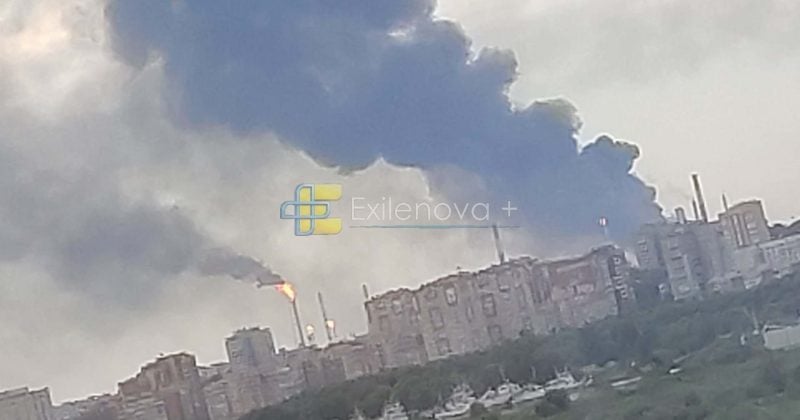
Russia bans diesel exports and plans fuel imports as refinery crisis deepens
The world's former diesel powerhouse is now shopping for fuel, and crypto is quietly becoming part of the settlement story
Russia, once one of the planet’s largest diesel exporters, enacted a full ban on diesel fuel exports on July 8, 2026. The country now plans to begin importing fuel this month to address domestic shortages that have been building for over a year.
How a petro-state runs out of fuel
The root cause is physical destruction. Ukrainian drone strikes on Russian refineries have steadily degraded the country’s refining capacity since 2025, creating a gap between crude oil production and the ability to turn that crude into usable diesel and gasoline.
Deputy Prime Minister Alexander Novak confirmed the export ban, stating it would bolster domestic fuel availability. President Vladimir Putin echoed the urgency, emphasizing the need to prioritize the national market as the energy sector faces escalating pressures.
The full ban follows a series of partial export restrictions on gasoline and diesel throughout 2025 and early 2026. Russia has already begun sourcing gasoline from India to fill gaps in its domestic supply.
Global diesel markets feel the squeeze
The removal of Russian diesel from international markets matters far beyond Moscow’s borders. Russia was a critical supplier to regions across Africa and Asia, and those barrels now need to come from somewhere else.
Global middle distillate inventories were already running low before the ban. The gradual tightening from Russia’s partial restrictions over the past year had already started pushing prices higher. A full export ban accelerates that pressure significantly.
The news moving money, markets, and the world—before your day starts.
Daily. Free. Join 34,000+ readers across crypto, finance, and policy.
Diesel is the workhorse fuel of global logistics. It powers the trucks, trains, and ships that move goods around the world. When diesel gets more expensive, the cost of moving everything from grain to consumer electronics rises with it.
Where crypto enters the picture
Western sanctions have progressively cut Russia off from traditional banking infrastructure, making conventional trade settlement increasingly difficult. In response, Russia has turned to cryptocurrencies as an alternative settlement mechanism for energy-related transactions.
Bitcoin, Ether, and Tether have all reportedly been used to facilitate these trades. The volumes remain a small fraction of Russia’s overall trade activity, but the direction of travel is notable.
As Russia shifts from exporter to importer, it needs to pay for incoming fuel shipments. If traditional banking channels remain restricted, the incentive to use digital assets for those import payments grows. India, which is already supplying Russia with gasoline, has its own complicated relationship with crypto regulation, but bilateral trade has a way of finding paths of least resistance.
Tether in particular has faced scrutiny over its role in facilitating transactions with sanctioned entities.