
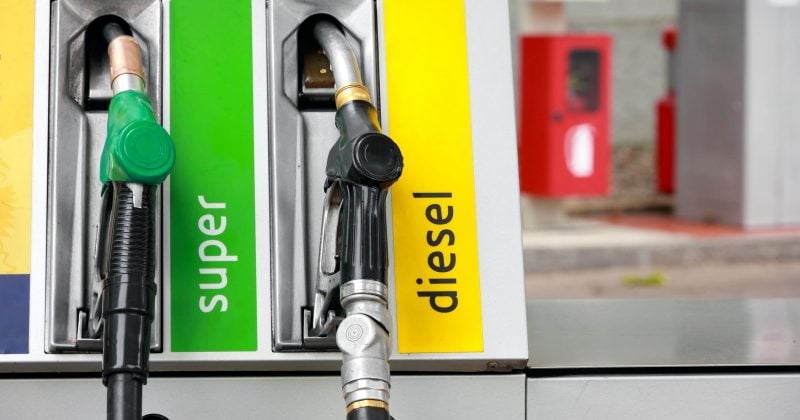
World faces diesel supply crunch as Russia cuts off exports

World faces diesel supply crunch as Russia cuts off exports

Moscow's blanket ban on diesel exports sends crack spreads to record levels and threatens to fuel inflation across energy-dependent economies

Russia just pulled roughly 11% of the world’s seaborne diesel supply off the table. The country announced a full ban on diesel exports effective July 8, lasting through at least July 31, 2026, and global energy markets responded exactly the way you’d expect: with panic buying and soaring prices.

Deputy Prime Minister Alexander Novak made the announcement during a government meeting chaired by President Vladimir Putin. The stated reason is straightforward: Russian drivers have been waiting in increasingly long lines at filling stations, and the Kremlin decided that keeping fuel at home matters more than export revenue.

Advertisement

What drove the ban and why it matters

Ongoing Ukrainian drone strikes on Russian oil refineries have steadily eroded the country’s refining capacity, creating domestic fuel shortages that have been building for months.

By June 2026, Russian diesel exports had collapsed to roughly 428,000 barrels per day. That’s more than 50% below prior averages. In total, June exports came in at approximately 7.93 million barrels, a 45% drop compared to the previous month.

Prior restrictions had been implemented multiple times from late 2025 through mid-2026. But those earlier measures left loopholes that producers exploited to keep shipping diesel abroad despite the domestic crunch. This ban is designed to close those gaps entirely, covering diesel, marine fuel, and gas oils.

Global markets feel the squeeze

The market reaction was swift and severe. European diesel crack spreads, which measure the premium refiners earn by converting crude oil into diesel, soared to $60.17 per barrel.

Regions that had been relying on Russian diesel are now scrambling for alternatives. Turkey, Brazil, and North Africa face particularly acute supply constraints.

Disclosure: This article was edited by Editorial Team. For more information on how we create and review content, see our Editorial Policy.

World faces diesel supply crunch as Russia cuts off exports

World faces diesel supply crunch as Russia cuts off exports

Moscow's blanket ban on diesel exports sends crack spreads to record levels and threatens to fuel inflation across energy-dependent economies

Russia just pulled roughly 11% of the world’s seaborne diesel supply off the table. The country announced a full ban on diesel exports effective July 8, lasting through at least July 31, 2026, and global energy markets responded exactly the way you’d expect: with panic buying and soaring prices.

Deputy Prime Minister Alexander Novak made the announcement during a government meeting chaired by President Vladimir Putin. The stated reason is straightforward: Russian drivers have been waiting in increasingly long lines at filling stations, and the Kremlin decided that keeping fuel at home matters more than export revenue.

Advertisement

What drove the ban and why it matters

Ongoing Ukrainian drone strikes on Russian oil refineries have steadily eroded the country’s refining capacity, creating domestic fuel shortages that have been building for months.

By June 2026, Russian diesel exports had collapsed to roughly 428,000 barrels per day. That’s more than 50% below prior averages. In total, June exports came in at approximately 7.93 million barrels, a 45% drop compared to the previous month.

Prior restrictions had been implemented multiple times from late 2025 through mid-2026. But those earlier measures left loopholes that producers exploited to keep shipping diesel abroad despite the domestic crunch. This ban is designed to close those gaps entirely, covering diesel, marine fuel, and gas oils.

Global markets feel the squeeze

The market reaction was swift and severe. European diesel crack spreads, which measure the premium refiners earn by converting crude oil into diesel, soared to $60.17 per barrel.

Regions that had been relying on Russian diesel are now scrambling for alternatives. Turkey, Brazil, and North Africa face particularly acute supply constraints.

Disclosure: This article was edited by Editorial Team. For more information on how we create and review content, see our Editorial Policy.