
Russia proposes paying for Bangladesh’s nuclear plant in Indian rupees to dodge US sanctions

Via thedailystar.net

Russia proposes paying for Bangladesh’s nuclear plant in Indian rupees to dodge US sanctions

The workaround highlights how sanctioned nations are increasingly exploring alternative payment rails, a trend that keeps nudging crypto into the conversation.

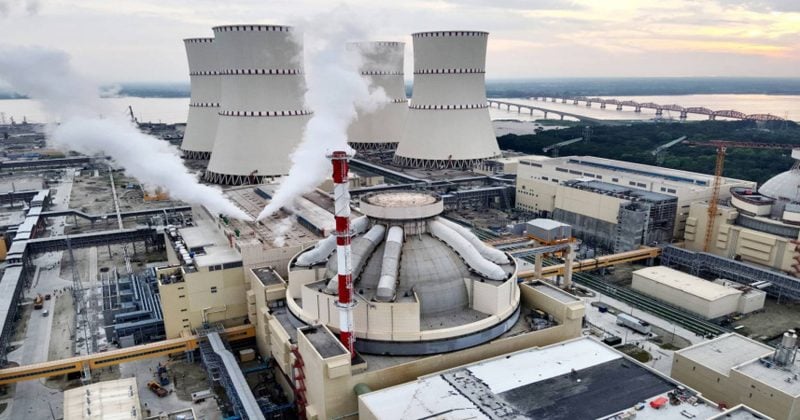
Russia wants to settle its trade with Bangladesh using Indian rupees instead of dollars, a move designed to sidestep US sanctions that have effectively frozen conventional banking channels since the Ukraine invasion in 2022. The primary motivation: keeping payments flowing for the Rooppur Nuclear Power Plant, a major Russian infrastructure project in Bangladesh financed through Rosatom.

The proposal, which surfaced on July 29, reportedly includes plans for a dedicated bilateral payment infrastructure and possibly opening a branch of a Russian bank in Dhaka. Bangladeshi officials are currently reviewing the mechanism, with further discussions expected during the Bangladesh-Russia Intergovernmental Commission meetings slated for September or October 2026.

When the dollar door closes, countries start looking for windows

Previous efforts to settle in Chinese yuan reportedly fell through, leaving both countries scrambling for alternatives. The Indian rupee makes geographic and economic sense: Bangladesh exports approximately $1.8 billion worth of goods to India annually, meaning rupee liquidity already exists within its financial system.

Advertisement

For Bangladesh, the country needs the nuclear plant completed. But continuing to work with sanctioned Russian entities through normal banking creates its own risks, including potential secondary sanctions from Washington.

The crypto angle hiding in plain sight

No cryptocurrency or blockchain technology has been explicitly named in the Russia-Bangladesh proposal. Stablecoins have become a tool for cross-border value transfer in regions where traditional banking is unreliable or restricted, solving the same problem Russia and Bangladesh are trying to solve: how do you move value across borders when the banking system won’t cooperate.

Russia itself has been experimenting with its digital ruble for cross-border use cases, and multiple BRICS nations have discussed digital currency arrangements for bilateral trade.

What this means for investors

The US Senate is reportedly discussing sanctions that could impact Russian energy importers more broadly, including potential tariffs on India and China. If secondary sanctions tighten further, the universe of countries needing payment workarounds expands.

Russia’s rupee proposal competes with China’s cross-border yuan infrastructure, India’s own UPI-based international payment ambitions, and the growing constellation of stablecoin and CBDC projects targeting the same use case.

Disclosure: This article was edited by Editorial Team. For more information on how we create and review content, see our Editorial Policy.

Russia proposes paying for Bangladesh’s nuclear plant in Indian rupees to dodge US sanctions

Russia proposes paying for Bangladesh’s nuclear plant in Indian rupees to dodge US sanctions

The workaround highlights how sanctioned nations are increasingly exploring alternative payment rails, a trend that keeps nudging crypto into the conversation.

Via thedailystar.net

Russia wants to settle its trade with Bangladesh using Indian rupees instead of dollars, a move designed to sidestep US sanctions that have effectively frozen conventional banking channels since the Ukraine invasion in 2022. The primary motivation: keeping payments flowing for the Rooppur Nuclear Power Plant, a major Russian infrastructure project in Bangladesh financed through Rosatom.

The proposal, which surfaced on July 29, reportedly includes plans for a dedicated bilateral payment infrastructure and possibly opening a branch of a Russian bank in Dhaka. Bangladeshi officials are currently reviewing the mechanism, with further discussions expected during the Bangladesh-Russia Intergovernmental Commission meetings slated for September or October 2026.

When the dollar door closes, countries start looking for windows

Previous efforts to settle in Chinese yuan reportedly fell through, leaving both countries scrambling for alternatives. The Indian rupee makes geographic and economic sense: Bangladesh exports approximately $1.8 billion worth of goods to India annually, meaning rupee liquidity already exists within its financial system.

Advertisement

For Bangladesh, the country needs the nuclear plant completed. But continuing to work with sanctioned Russian entities through normal banking creates its own risks, including potential secondary sanctions from Washington.

The crypto angle hiding in plain sight

No cryptocurrency or blockchain technology has been explicitly named in the Russia-Bangladesh proposal. Stablecoins have become a tool for cross-border value transfer in regions where traditional banking is unreliable or restricted, solving the same problem Russia and Bangladesh are trying to solve: how do you move value across borders when the banking system won’t cooperate.

Russia itself has been experimenting with its digital ruble for cross-border use cases, and multiple BRICS nations have discussed digital currency arrangements for bilateral trade.

What this means for investors

The US Senate is reportedly discussing sanctions that could impact Russian energy importers more broadly, including potential tariffs on India and China. If secondary sanctions tighten further, the universe of countries needing payment workarounds expands.

Russia’s rupee proposal competes with China’s cross-border yuan infrastructure, India’s own UPI-based international payment ambitions, and the growing constellation of stablecoin and CBDC projects targeting the same use case.

Disclosure: This article was edited by Editorial Team. For more information on how we create and review content, see our Editorial Policy.