
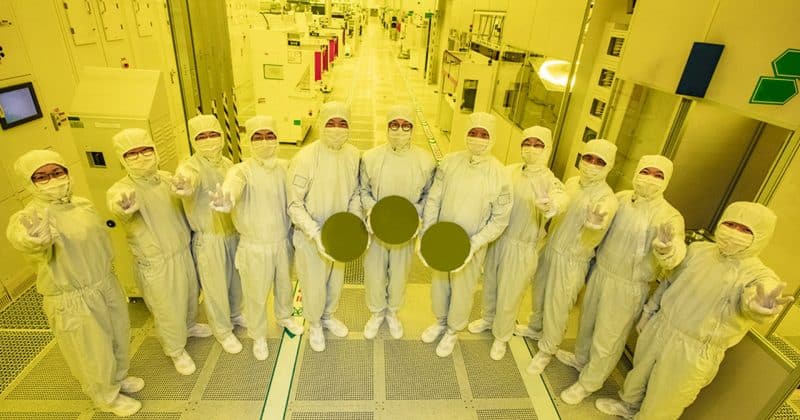
Samsung Electronics set to reassure chip stock investors amid AI trade jitters
The world's largest memory chipmaker sits at the center of a semiconductor storm that's spilling over into crypto markets
Global chip stocks have been on a rollercoaster, and Samsung Electronics, fresh off a record-breaking quarter, is stepping up to calm nerves as investors question whether the AI trade still has legs.
The Kospi crash and its ripple effects
South Korea’s Kospi index dropped 10% on June 23, a fall severe enough to trigger circuit breakers. Samsung Electronics and SK Hynix each lost more than 12% in that single session. On July 2, the Kospi fell almost 8% more, extending a brutal stretch for chip investors.
The culprits were familiar: concerns about overcapacity in the semiconductor market, questions about whether AI infrastructure spending can sustain its current pace, and signals from the Federal Reserve about potential policy shifts.
Weakness in AI chip equities in Korea led to simultaneous declines in Bitcoin and altcoins during the June drops. The competition for capital between AI infrastructure and crypto has become a real dynamic, not just a theoretical one.
Record profits meet record anxiety
Samsung’s Q1 2026 semiconductor division posted an operating profit of 53.7 trillion won, roughly $36 billion — a nearly 49-fold increase year-over-year, driven by demand for high-bandwidth memory powering AI data centers.
AI, tech, and the markets they move—in one daily briefing.
Daily. Free. Join 34,000+ readers across crypto, finance, and policy.
Samsung’s overall market capitalization crossed $1 trillion in May 2026, a milestone driven almost entirely by AI chip demand from US hyperscalers.
Samsung and SK Hynix announced plans to invest roughly $518 billion (800 trillion won) to build four new chip plants, with the goal of doubling South Korea’s national DRAM output within five years.
Why crypto investors should pay attention
AI chip stocks have become a bellwether for risk appetite in technology-adjacent assets. When Samsung and Nvidia sell off, institutional capital flows toward safety, and large allocators tend to treat tech equity and crypto as different flavors of the same risk bucket, exiting both simultaneously.
Samsung’s $518 billion investment plan represents capital being allocated to AI infrastructure rather than other technology sectors. The competition for capital intensifies when interest rates remain elevated and investors become more selective about where they deploy funds.
The key metric is forward guidance on AI memory demand and whether Samsung’s aggressive expansion timeline reflects genuine customer commitments or speculative optimism. The late June sell-off demonstrated how quickly contagion can spread across both chip stocks and crypto.