
Samsung Electro-Mechanics secures 454B won order for MLCC supply to global tech firm

Samsung Electro-Mechanics secures 454B won order for MLCC supply to global tech firm

The deal highlights how AI server demand is reshaping the market for tiny but essential electronic components

Samsung Electro-Mechanics, the world’s second-largest producer of multilayer ceramic capacitors, just locked in a 454 billion won contract to supply MLCCs to a global firm. That’s roughly $320-360 million worth of components most people have never heard of, powering technology most people use every day.

What are MLCCs, and why should you care

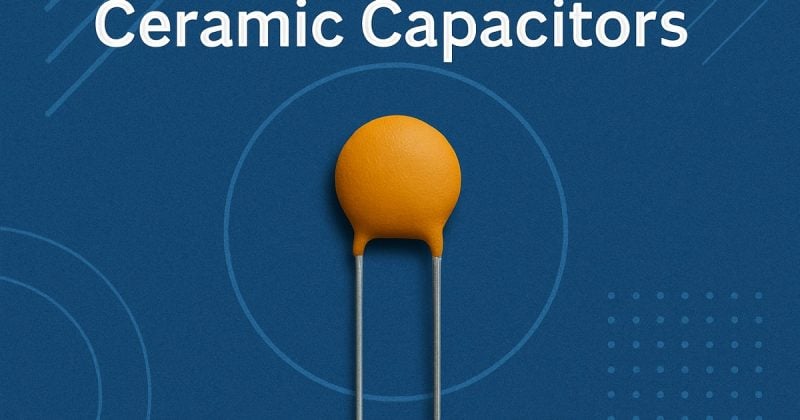
Multilayer ceramic capacitors are tiny components, sometimes smaller than a grain of rice, that stabilize power delivery and filter out high-frequency noise in circuit boards. A single AI server can require between 15,000 and 25,000 MLCCs. MLCCs destined for AI server applications reportedly command prices more than triple those for ordinary consumer electronics uses.

Samsung Electro-Mechanics, commonly known as SEMCO, holds over 20% of the global MLCC market. That makes it the second-largest producer worldwide, trailing only Japan’s Murata Manufacturing.

Advertisement

SEMCO’s broader strategic play

The company also confirmed a separate contract for silicon capacitors valued at 1.5 trillion won. That deal, reportedly signed on May 20, 2026, dwarfs the MLCC order.

SEMCO is forming a joint venture with Japan’s Sumitomo Chemical to produce glass substrates, a partnership valued at around 500 billion won.

The company is also rolling out ultra-high-capacitance MLCCs designed for automotive applications.

What this means for investors

The 454 billion won MLCC contract alone would represent roughly 10% of SEMCO’s component division revenue from the previous year.

The speculated buyer for this contract is a major US tech firm, with market observers pointing to leading hyperscalers such as Google, AWS, or Meta as likely candidates.

Disclosure: This article was edited by Editorial Team. For more information on how we create and review content, see our Editorial Policy.

Samsung Electro-Mechanics secures 454B won order for MLCC supply to global tech firm

Samsung Electro-Mechanics secures 454B won order for MLCC supply to global tech firm

The deal highlights how AI server demand is reshaping the market for tiny but essential electronic components

Samsung Electro-Mechanics, the world’s second-largest producer of multilayer ceramic capacitors, just locked in a 454 billion won contract to supply MLCCs to a global firm. That’s roughly $320-360 million worth of components most people have never heard of, powering technology most people use every day.

What are MLCCs, and why should you care

Multilayer ceramic capacitors are tiny components, sometimes smaller than a grain of rice, that stabilize power delivery and filter out high-frequency noise in circuit boards. A single AI server can require between 15,000 and 25,000 MLCCs. MLCCs destined for AI server applications reportedly command prices more than triple those for ordinary consumer electronics uses.

Samsung Electro-Mechanics, commonly known as SEMCO, holds over 20% of the global MLCC market. That makes it the second-largest producer worldwide, trailing only Japan’s Murata Manufacturing.

Advertisement

SEMCO’s broader strategic play

The company also confirmed a separate contract for silicon capacitors valued at 1.5 trillion won. That deal, reportedly signed on May 20, 2026, dwarfs the MLCC order.

SEMCO is forming a joint venture with Japan’s Sumitomo Chemical to produce glass substrates, a partnership valued at around 500 billion won.

The company is also rolling out ultra-high-capacitance MLCCs designed for automotive applications.

What this means for investors

The 454 billion won MLCC contract alone would represent roughly 10% of SEMCO’s component division revenue from the previous year.

The speculated buyer for this contract is a major US tech firm, with market observers pointing to leading hyperscalers such as Google, AWS, or Meta as likely candidates.

Disclosure: This article was edited by Editorial Team. For more information on how we create and review content, see our Editorial Policy.