
Samsung chairman seeks meeting with Nvidia CEO Jensen Huang as AI chip alliance deepens
Lee Jae-yong plans a late July trip to the US to meet with Huang, building on a series of high-profile semiconductor summits that already sent Samsung shares to record highs.
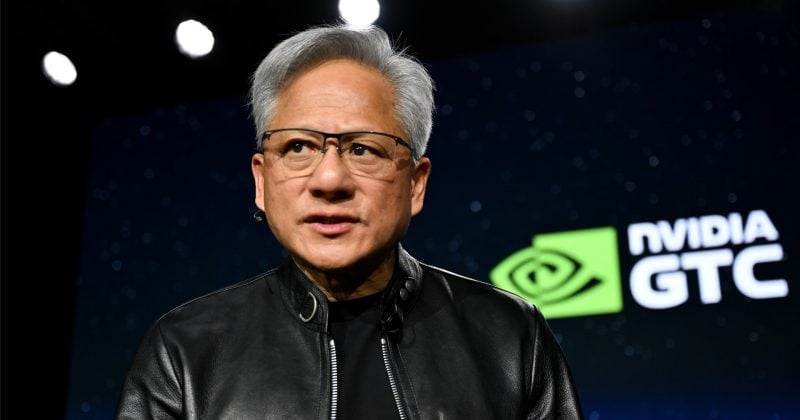
Samsung Electronics Executive Chairman Lee Jae-yong is planning to meet Nvidia CEO Jensen Huang in the US at the end of July. The sit-down would be the latest in a string of increasingly frequent meetings between the two executives as the AI chip supply chain becomes the most consequential chessboard in global tech.
A relationship that’s picking up speed
Lee and Huang have been building momentum. The two met over dinner in October 2025 and again in June 2026, establishing a cadence that suggests this isn’t casual networking.
During Huang’s visit to South Korea in June 2026, he sat down with Jun Young-hyun, the head of Samsung’s chip division. That conversation zeroed in on next-generation high-bandwidth memory, specifically HBM4 and HBM4E, along with advanced packaging technologies critical for AI accelerators. They also discussed autonomous driving chips and Groq AI accelerators.
The market noticed. Samsung shares surged 10.1% on June 1, 2026, reaching a record close. LG Electronics, Naver, and other Korean tech names also caught a bid on the news.
Why memory chips matter for AI, and for crypto
High-bandwidth memory might sound like an obscure component, but it’s the bottleneck that determines how fast AI models can train and run inference. The GPU is the engine, but HBM is the fuel line. A wider fuel line means more data flowing to the processor per cycle.
AI, tech, and the markets they move—in one daily briefing.
Daily. Free. Join 34,000+ readers across crypto, finance, and policy.
Nvidia’s most advanced AI accelerators, the chips powering data centers for companies like Microsoft, Google, and Meta, require massive amounts of HBM. Samsung, along with SK Hynix, is one of only two companies on the planet capable of manufacturing these chips at scale.
Samsung has historically trailed SK Hynix in qualifying its HBM products for Nvidia’s platforms. If Samsung can close the qualification gap on HBM4 and HBM4E, it would give Nvidia a second major supplier, reducing concentration risk and potentially lowering costs.
What this means for investors
The proposed July meeting hasn’t been officially confirmed by either company. The pattern of engagement, dinner in October 2025, formal meetings in June 2026, and now plans for another sit-down, suggests the relationship is deepening toward something more concrete than photo ops.
For traditional tech investors, the 10.1% single-day pop in Samsung shares offers a preview of how the market might react to any substantive announcements. If Samsung secures expanded HBM supply agreements or advanced packaging contracts with Nvidia, the upside for Samsung’s semiconductor division could be significant.
SK Hynix has been Nvidia’s preferred HBM supplier. If Samsung manages to pull even, it could trigger a price competition in the memory chip market that benefits downstream buyers, including crypto mining operations and GPU rental protocols that pass hardware costs through to users.