
Samsung, SK Hynix, and Micron control 90% of global DRAM market as AI memory wars heat up
A class-action lawsuit alleging price manipulation and a 700% surge in conventional DRAM costs add a new wrinkle to the AI chip supply chain that crypto miners and data centers depend on
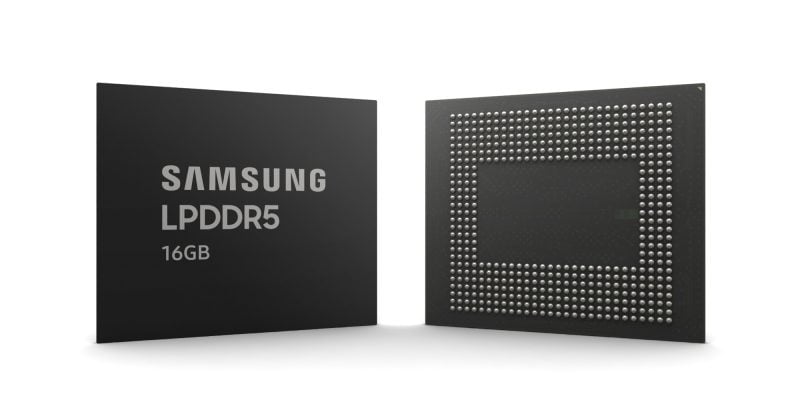
Three companies control virtually all of the world’s DRAM memory chips. Samsung, SK Hynix, and Micron collectively hold between 90% and 95% of global DRAM market share, a concentration that Counterpoint Research data shows will persist through at least 2027.
The numbers behind the oligopoly
As of Q1 2026, Samsung leads with 38% of the DRAM market, SK Hynix holds 29%, and Micron rounds out the trio at 22%. That leaves roughly a dime on the dollar for every other memory chipmaker on Earth combined.
In the HBM segment, SK Hynix dominates with approximately 58% market share. Micron sits at around 23%, and Samsung, despite leading overall DRAM, trails in HBM with roughly 21%.
Samsung’s most recent earnings report, dated April 30, 2026, flagged significant shortages in memory products. The company’s memory chief indicated these supply constraints are expected to continue through at least 2027. Customers are now reserving HBM supplies years in advance.
A 700% price spike and a lawsuit to match
A proposed class-action lawsuit filed in June 2026 in California federal court accuses Samsung, SK Hynix, and Micron of coordinating a deliberate shift in production away from conventional DRAM, like DDR3 and DDR4, toward the higher-margin HBM products. The lawsuit claims conventional DRAM prices have surged approximately 700% over the past four years.
AI, tech, and the markets they move—in one daily briefing.
Daily. Free. Join 34,000+ readers across crypto, finance, and policy.
For context, this isn’t the first time DRAM makers have faced collusion allegations. Samsung, Hynix, and Micron were previously caught in a price-fixing scandal in the mid-2000s that resulted in billions in fines.
Why crypto and AI investors should care
The HBM shortage is particularly relevant for the GPU rental and decentralized compute narrative in crypto. When NVIDIA can’t get enough HBM to build H100s and B200s, every downstream participant feels it, including the decentralized alternatives that crypto is building.
The class-action lawsuit adds a wildcard. If the court finds evidence of coordinated supply manipulation, potential remedies could include forced production quotas, fines, or structural changes that reshape the competitive landscape. China’s CXMT has been trying to scale up domestic memory production, but export controls and technological gaps have kept it marginal so far.