
Saudi Arabia’s strikes in Iraq mark entry into U.S.-Iran war

https://en.wikipedia.org/wiki/Saudi_Arabian_Armed_Forces

Saudi Arabia’s strikes in Iraq mark entry into U.S.-Iran war

Iran military action against a gulf state

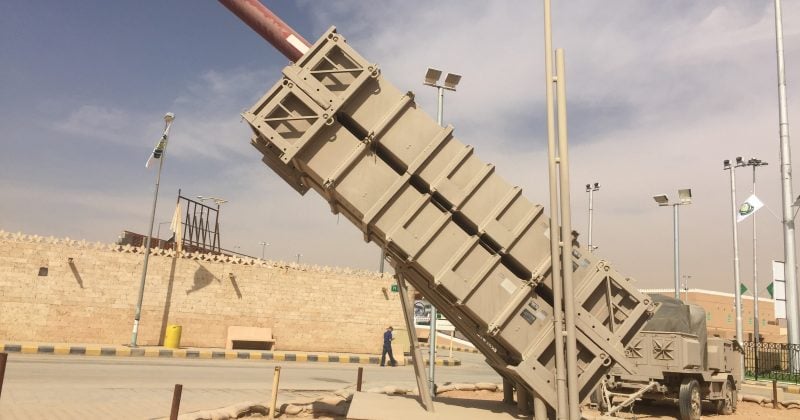
Saudi Arabia has conducted aerial strikes in Iraq’s Diyala province, according to a New York Times report. This military action marks an escalation in the ongoing regional conflict involving Iran, the United States, and their respective allies. The strikes targeted Iran-backed militias, indicating Saudi Arabia’s deeper involvement beyond its defensive posture. This development is part of a broader regional conflict that began with U.S. and Israeli attacks on Iran earlier this year. The military engagement has since expanded to include multiple countries in the Middle East, highlighting the complex geopolitical dynamics at play.

Advertisement

Key Takeaways

  • Saudi Arabia’s strikes in Iraq suggest increased involvement in the regional conflict, consistent with scenarios where Saudi Arabia expands its military actions against Iran-backed groups.
  • Market pricing implies a heightened likelihood of Iranian military action against Gulf states, with a notable increase in the probability for July 30.
  • The escalation in military activities could indicate a broader proxy conflict between Saudi Arabia and Iran within Iraq.

What to Watch

Observers should monitor further military actions from Saudi Arabia and potential retaliatory actions from Iran. A key indicator will be any Iranian military response targeting Gulf states, which could further escalate regional tensions. Additionally, statements from key figures such as Iran’s Supreme Leader Ali Khamenei and Saudi Crown Prince Mohammed bin Salman may provide insight into the evolving geopolitical landscape. The next few days are critical as markets appear to anticipate potential Iranian actions against Gulf states.

Get live prediction-market analysis, powered by Vera. Sign up for Vera.

Disclosure: This article was edited by Estefano Gomez. For more information on how we create and review content, see our Editorial Policy.

Saudi Arabia’s strikes in Iraq mark entry into U.S.-Iran war

Saudi Arabia’s strikes in Iraq mark entry into U.S.-Iran war

Iran military action against a gulf state

https://en.wikipedia.org/wiki/Saudi_Arabian_Armed_Forces

Saudi Arabia has conducted aerial strikes in Iraq’s Diyala province, according to a New York Times report. This military action marks an escalation in the ongoing regional conflict involving Iran, the United States, and their respective allies. The strikes targeted Iran-backed militias, indicating Saudi Arabia’s deeper involvement beyond its defensive posture. This development is part of a broader regional conflict that began with U.S. and Israeli attacks on Iran earlier this year. The military engagement has since expanded to include multiple countries in the Middle East, highlighting the complex geopolitical dynamics at play.

Advertisement

Key Takeaways

  • Saudi Arabia’s strikes in Iraq suggest increased involvement in the regional conflict, consistent with scenarios where Saudi Arabia expands its military actions against Iran-backed groups.
  • Market pricing implies a heightened likelihood of Iranian military action against Gulf states, with a notable increase in the probability for July 30.
  • The escalation in military activities could indicate a broader proxy conflict between Saudi Arabia and Iran within Iraq.

What to Watch

Observers should monitor further military actions from Saudi Arabia and potential retaliatory actions from Iran. A key indicator will be any Iranian military response targeting Gulf states, which could further escalate regional tensions. Additionally, statements from key figures such as Iran’s Supreme Leader Ali Khamenei and Saudi Crown Prince Mohammed bin Salman may provide insight into the evolving geopolitical landscape. The next few days are critical as markets appear to anticipate potential Iranian actions against Gulf states.

Get live prediction-market analysis, powered by Vera. Sign up for Vera.

Disclosure: This article was edited by Estefano Gomez. For more information on how we create and review content, see our Editorial Policy.