
Nexo Earn with Nexo
Senate Democrat Adam Schiff proposes bill to restrict Pentagon AI use

Senate Democrat Adam Schiff proposes bill to restrict Pentagon AI use

The HALO Act would require human oversight for lethal military decisions and ban AI-powered domestic surveillance of First Amendment activities.

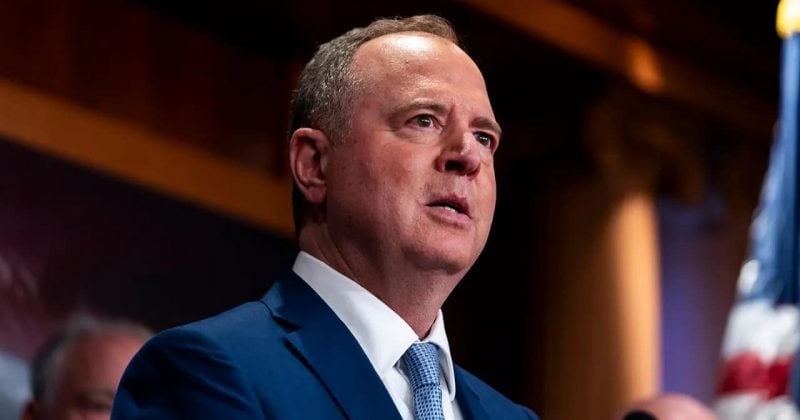
Sen. Adam Schiff (D-CA) introduced the Human Authority in Lethal Operations Act on June 8, formally drawing a line in the sand on how the Pentagon can use artificial intelligence to make life-or-death decisions. The bill, known as the HALO Act, would mandate that a human commander always retains final authority when lethal force is on the table.

What the HALO Act actually does

The legislation tackles three distinct areas of military AI use. First, it requires human oversight for any decision involving lethal force. No autonomous kill chains, no delegating life-and-death calls to an algorithm. A designated human commander must sit at the top of every chain of command involving AI-assisted operations.

Advertisement

Second, it mandates comprehensive record-keeping. The DoD would be required to maintain detailed logs of decision-making processes, including target selection, to facilitate post-action reviews. In English: if AI helps pick a target, there needs to be a paper trail explaining exactly how and why that target was chosen.

Third, and perhaps most notable for civil liberties advocates, the HALO Act prohibits the deployment of AI for domestic surveillance of activities protected under the First Amendment. Protests, political organizing, religious gatherings: all would be explicitly shielded from AI-powered monitoring by the Pentagon.

The broader legislative push on military AI

Schiff’s bill doesn’t exist in a vacuum. It joins a growing roster of Democratic efforts to put guardrails on how the military deploys artificial intelligence. Sen. Elissa Slotkin previously introduced the AI Guardrails Act, which targeted similar concerns around accountability and ethical use of AI in defense settings.

Schiff himself had been signaling this move since March 2026, when he first publicly discussed the need for legislative action on military AI governance. The HALO Act represents the formal follow-through on those early hints.

What this means for investors

Here’s the thing: the HALO Act has zero direct connection to crypto markets. It doesn’t mention digital assets, blockchain technology, or financial regulation of any kind. If you’re trading tokens, this bill isn’t going to move your portfolio tomorrow.

Disclosure: This article was edited by Editorial Team. For more information on how we create and review content, see our Editorial Policy.

Senate Democrat Adam Schiff proposes bill to restrict Pentagon AI use

Senate Democrat Adam Schiff proposes bill to restrict Pentagon AI use

The HALO Act would require human oversight for lethal military decisions and ban AI-powered domestic surveillance of First Amendment activities.

Sen. Adam Schiff (D-CA) introduced the Human Authority in Lethal Operations Act on June 8, formally drawing a line in the sand on how the Pentagon can use artificial intelligence to make life-or-death decisions. The bill, known as the HALO Act, would mandate that a human commander always retains final authority when lethal force is on the table.

What the HALO Act actually does

The legislation tackles three distinct areas of military AI use. First, it requires human oversight for any decision involving lethal force. No autonomous kill chains, no delegating life-and-death calls to an algorithm. A designated human commander must sit at the top of every chain of command involving AI-assisted operations.

Advertisement

Second, it mandates comprehensive record-keeping. The DoD would be required to maintain detailed logs of decision-making processes, including target selection, to facilitate post-action reviews. In English: if AI helps pick a target, there needs to be a paper trail explaining exactly how and why that target was chosen.

Third, and perhaps most notable for civil liberties advocates, the HALO Act prohibits the deployment of AI for domestic surveillance of activities protected under the First Amendment. Protests, political organizing, religious gatherings: all would be explicitly shielded from AI-powered monitoring by the Pentagon.

The broader legislative push on military AI

Schiff’s bill doesn’t exist in a vacuum. It joins a growing roster of Democratic efforts to put guardrails on how the military deploys artificial intelligence. Sen. Elissa Slotkin previously introduced the AI Guardrails Act, which targeted similar concerns around accountability and ethical use of AI in defense settings.

Schiff himself had been signaling this move since March 2026, when he first publicly discussed the need for legislative action on military AI governance. The HALO Act represents the formal follow-through on those early hints.

What this means for investors

Here’s the thing: the HALO Act has zero direct connection to crypto markets. It doesn’t mention digital assets, blockchain technology, or financial regulation of any kind. If you’re trading tokens, this bill isn’t going to move your portfolio tomorrow.

Disclosure: This article was edited by Editorial Team. For more information on how we create and review content, see our Editorial Policy.