
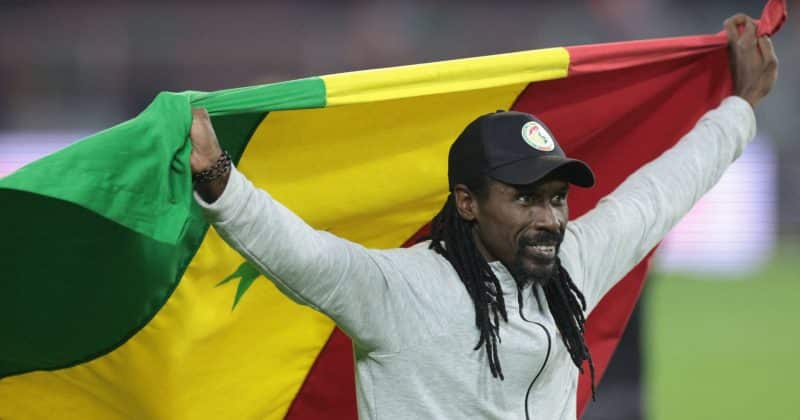
Senegal stuns Belgium 2-0 at 2026 World Cup as crypto fan tokens face their biggest stage
Belgium's $BELG fan token gets a real-time stress test while Kraken's FIFA sponsorship puts crypto front and center during the knockout rounds
Senegal is dismantling Belgium at the 2026 FIFA World Cup, leading 2-0 in their knockout stage clash in Seattle on July 1. Habib Diarra opened the scoring in the 25th minute, converting a ball that ricocheted off the post, and Ismaïla Sarr doubled the lead in the 51st minute against a Belgian side that looked sluggish and devoid of ideas.
Fan tokens meet elimination football
Belgium launched its official fan token, $BELG, on Socios.com on June 3, 2026, less than a month before the tournament kicked off. The token gives holders voting rights on certain team decisions and access to reward mechanisms tied to performance.
Fan tokens have historically been volatile around match results. When Paris Saint-Germain signed Lionel Messi in 2021, the $PSG token surged before settling back down. A Belgium exit at the Round of 32 stage would represent exactly the kind of early tournament shock that tests whether fan token holders are actual fans or just speculators riding momentum.
Senegal, by contrast, has no official fan token and no dedicated crypto sponsorship. That’s not unusual for African football federations, which have broadly been slower to adopt blockchain tools for fan engagement.
Kraken’s big moment under the lights
FIFA announced on June 9, 2026, that Kraken would serve as the Official Crypto Exchange Supporter for the tournament. The partnership is designed to boost visibility for crypto platforms during the competition, with branding prominent throughout the knockout stages.
The news moving money, markets, and the world—before your day starts.
Daily. Free. Join 34,000+ readers across crypto, finance, and policy.
The exchange joins a long list of crypto firms that have pursued sports deals, from Crypto.com’s naming rights on the former Staples Center in Los Angeles to FTX’s ill-fated stadium deal in Miami.
What this means for investors
The $BELG token launch just weeks before the tournament was strategically timed to capture peak fan enthusiasm. Tournament tokens don’t have a full league season to recover from a bad result. One loss and the engagement window closes entirely.
Socios.com’s platform hosts tokens for multiple national teams, and early exits by high-profile squads tend to reduce overall trading volume across the platform.
European and South American football federations have been far more aggressive in adopting crypto tools than their African and Asian counterparts. If Senegal pulls off this upset without any tokenized fan infrastructure, it raises an uncomfortable question for the fan token thesis: do fans actually need tokens to engage passionately with their teams, or are these products solving a problem that doesn’t exist.