
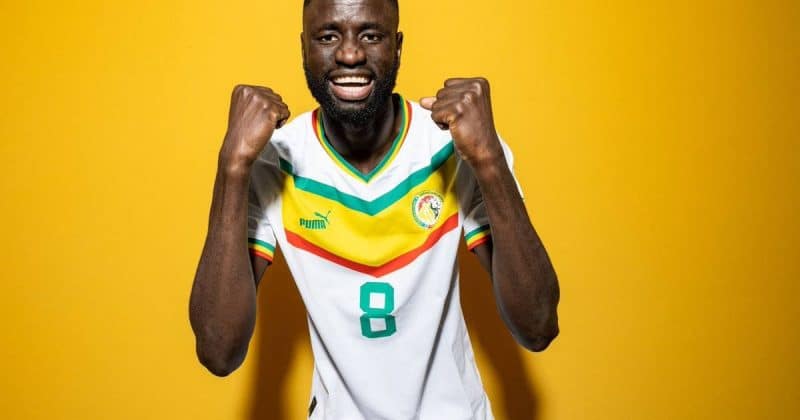
Senegalese diaspora in Seattle rallies for World Cup match against Belgium amid travel ban
Local fans cheered from the stands as U.S. visa restrictions kept most Senegalese nationals from attending the July 1 round-of-32 fixture
On July 1, 2026, Lumen Field in Seattle hosted a FIFA World Cup round-of-32 match between Belgium and Senegal. For most Senegalese nationals who wanted to be there, the stadium might as well have been on the moon.
U.S. travel restrictions, first implemented in December 2017, have effectively barred Senegalese tourists from entering the country. That left the local Senegalese diaspora in Seattle to carry the flag, packing into watch parties and whatever stadium seats they could access, cheering on the Lions of Teranga from inside American borders.
The match itself turned chaotic before a result was reached. Senegal was leading 1-0 when three separate pitch invasions disrupted play. Five people were ultimately arrested.
The fan token gap: Belgium has one, Senegal does not
Belgium launched a fan token, ticker $BELG, on June 3, 2026, through the Socios.com platform. Socios runs on Chiliz (CHZ), a blockchain infrastructure purpose-built for sports fan engagement. The $BELG token gives Belgian supporters access to voting on team-related decisions, exclusive content, and merchandise opportunities.
Senegal has no equivalent offering. No fan token, no Socios presence, no blockchain-based engagement layer for their supporters. For a team that just led a World Cup knockout match and has a passionate global fanbase, that is a notable gap.
The news moving money, markets, and the world—before your day starts.
Daily. Free. Join 34,000+ readers across crypto, finance, and policy.
This reflects the broader economic asymmetry between European football federations, which generally have more resources and institutional appetite for digital experiments, and African federations, which are often navigating tighter budgets and less established commercial partnership networks.
What this means for the sports crypto market
The 2026 FIFA World Cup features 48 teams and is shaping up to be a significant stress test for fan tokens. The Belgium token launched roughly four weeks before the team’s first knockout match, during peak fan engagement.
Fan tokens have a well-documented problem with post-event decay. The pattern tends to look like this: token launches, hype drives early purchases, the team advances and engagement stays elevated, the team eventually exits the tournament, and liquidity quietly drains out.
A team with a demonstrably passionate global fanbase, one that just showed up in force despite travel restrictions, has no digital asset infrastructure to capture that energy. The absence of tokens for high-engagement teams from Africa and other underrepresented markets represents both a missed opportunity and a reminder that fan token adoption is still uneven.
Chiliz as the underlying infrastructure play is worth watching separately from individual team tokens. If the World Cup accelerates federation partnerships, CHZ could benefit from volume and new token launches regardless of which specific team tokens perform.