
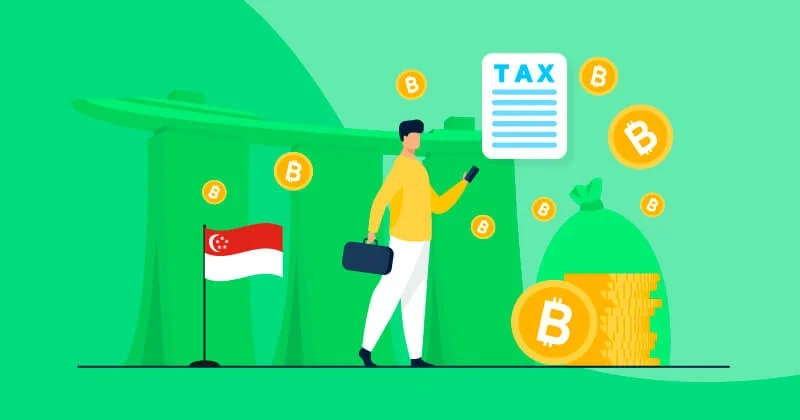
Singapore’s 0% capital gains tax on crypto makes it a magnet for Bitcoin investors

Singapore’s 0% capital gains tax on crypto makes it a magnet for Bitcoin investors

The city-state's long-standing policy of not taxing personal crypto investment gains continues to set it apart in a world where most governments are tightening the screws.


Singapore remains one of the clearest major jurisdictions for individual crypto investors, with gains from digital tokens held as personal investments generally not subject to tax.

The Inland Revenue Authority of Singapore says profits and losses from shares, financial instruments, and digital tokens are generally viewed as personal investments and are not taxable. The rule reflects Singapore’s broader tax structure, which does not include a general capital gains tax.

The distinction matters. Investors who buy and hold Bitcoin, Ethereum, or other digital tokens as personal investments generally do not owe tax when they sell at a profit. But businesses that trade digital tokens in the ordinary course of operations are taxed on the profits they generate.

Advertisement

That makes classification the key risk. Frequent trading, organized commercial activity, or token transactions that look like a business can move gains out of the personal investment bucket and into taxable income.

Singapore’s goods and services tax rules add another layer. The supply of digital payment tokens has been exempt from GST since Jan. 1, 2020, including exchanges of digital payment tokens for fiat currency or other digital payment tokens.

The tax treatment sits alongside a stricter regulatory framework. The Monetary Authority of Singapore oversees digital payment token service providers under the Payment Services Act and has also finalized a framework for single currency stablecoins.

That combination has made Singapore unusual. It offers favorable treatment for personal crypto gains while still applying tight licensing and compliance standards to companies operating in the sector.

For investors, the appeal is clear. Long term holders can sell digital tokens without the capital gains tax burden found in markets such as the US and the UK, as long as their activity remains personal investment rather than business trading.

The policy also reinforces Singapore’s position as a crypto and fintech hub. The city state is not trying to tax every gain from individual holders, but it is also not giving operators a free pass on licensing, anti money laundering controls, or consumer protection rules.

Disclosure: This article was edited by Editorial Team. For more information on how we create and review content, see our Editorial Policy.

Singapore’s 0% capital gains tax on crypto makes it a magnet for Bitcoin investors

Singapore’s 0% capital gains tax on crypto makes it a magnet for Bitcoin investors

The city-state's long-standing policy of not taxing personal crypto investment gains continues to set it apart in a world where most governments are tightening the screws.

Share

Add us on Google

Singapore remains one of the clearest major jurisdictions for individual crypto investors, with gains from digital tokens held as personal investments generally not subject to tax.

The Inland Revenue Authority of Singapore says profits and losses from shares, financial instruments, and digital tokens are generally viewed as personal investments and are not taxable. The rule reflects Singapore’s broader tax structure, which does not include a general capital gains tax.

The distinction matters. Investors who buy and hold Bitcoin, Ethereum, or other digital tokens as personal investments generally do not owe tax when they sell at a profit. But businesses that trade digital tokens in the ordinary course of operations are taxed on the profits they generate.

Advertisement

That makes classification the key risk. Frequent trading, organized commercial activity, or token transactions that look like a business can move gains out of the personal investment bucket and into taxable income.

Singapore’s goods and services tax rules add another layer. The supply of digital payment tokens has been exempt from GST since Jan. 1, 2020, including exchanges of digital payment tokens for fiat currency or other digital payment tokens.

The tax treatment sits alongside a stricter regulatory framework. The Monetary Authority of Singapore oversees digital payment token service providers under the Payment Services Act and has also finalized a framework for single currency stablecoins.

That combination has made Singapore unusual. It offers favorable treatment for personal crypto gains while still applying tight licensing and compliance standards to companies operating in the sector.

For investors, the appeal is clear. Long term holders can sell digital tokens without the capital gains tax burden found in markets such as the US and the UK, as long as their activity remains personal investment rather than business trading.

The policy also reinforces Singapore’s position as a crypto and fintech hub. The city state is not trying to tax every gain from individual holders, but it is also not giving operators a free pass on licensing, anti money laundering controls, or consumer protection rules.

Disclosure: This article was edited by Editorial Team. For more information on how we create and review content, see our Editorial Policy.