
SOFR dips as US borrowing costs ease slightly

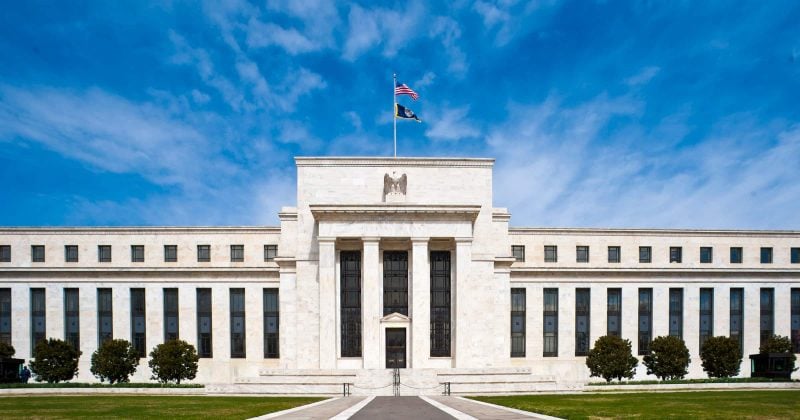
https://en.wikipedia.org/wiki/Eccles_Building

SOFR dips as US borrowing costs ease slightly

Fed rate hike in 2026

The Secured Overnight Financing Rate (SOFR) experienced a minor decrease, moving from 3.63% on July 6 to 3.62% on July 7, 2026. This slight adjustment in the overnight rate reflects a marginal easing in borrowing costs for U.S. banks. SOFR, which serves as the primary benchmark for Treasury-collateralized lending in the U.S. repo market, remains a critical indicator of liquidity and funding conditions in the financial system. The rate’s current level, slightly below the effective federal funds rate of 3.63%, suggests stable liquidity conditions. Markets interpret this change as potentially consistent with a reduced likelihood of a Fed rate hike in 2026, reflected in recent pricing adjustments.

Advertisement

Key Takeaways

  • The decrease in SOFR from 3.63% to 3.62% appears to suggest stable liquidity conditions without acute funding strain.
  • Markets may interpret the easing in the overnight rate as consistent with a lower probability of a Fed rate hike in 2026.
  • Current SOFR levels are aligned with the Federal Reserve’s ongoing monetary policy stance, suggesting no immediate pressure for rate adjustments.

What to Watch

Watch for upcoming Federal Reserve communications and economic indicators. A shift in tone from key Federal Reserve figures, such as Jerome H. Powell or John C. Williams, could provide further clues on the direction of monetary policy. Any significant changes in inflation data or economic growth forecasts could also influence market expectations regarding future rate hikes. The next FOMC meeting and subsequent statements could be critical in shaping the market’s outlook on interest rates for the remainder of the year.

Get prediction market intelligence as a structured API feed. Early access waitlist.

Disclosure: This article was edited by Estefano Gomez. For more information on how we create and review content, see our Editorial Policy.

SOFR dips as US borrowing costs ease slightly

SOFR dips as US borrowing costs ease slightly

Fed rate hike in 2026

https://en.wikipedia.org/wiki/Eccles_Building

The Secured Overnight Financing Rate (SOFR) experienced a minor decrease, moving from 3.63% on July 6 to 3.62% on July 7, 2026. This slight adjustment in the overnight rate reflects a marginal easing in borrowing costs for U.S. banks. SOFR, which serves as the primary benchmark for Treasury-collateralized lending in the U.S. repo market, remains a critical indicator of liquidity and funding conditions in the financial system. The rate’s current level, slightly below the effective federal funds rate of 3.63%, suggests stable liquidity conditions. Markets interpret this change as potentially consistent with a reduced likelihood of a Fed rate hike in 2026, reflected in recent pricing adjustments.

Advertisement

Key Takeaways

  • The decrease in SOFR from 3.63% to 3.62% appears to suggest stable liquidity conditions without acute funding strain.
  • Markets may interpret the easing in the overnight rate as consistent with a lower probability of a Fed rate hike in 2026.
  • Current SOFR levels are aligned with the Federal Reserve’s ongoing monetary policy stance, suggesting no immediate pressure for rate adjustments.

What to Watch

Watch for upcoming Federal Reserve communications and economic indicators. A shift in tone from key Federal Reserve figures, such as Jerome H. Powell or John C. Williams, could provide further clues on the direction of monetary policy. Any significant changes in inflation data or economic growth forecasts could also influence market expectations regarding future rate hikes. The next FOMC meeting and subsequent statements could be critical in shaping the market’s outlook on interest rates for the remainder of the year.

Get prediction market intelligence as a structured API feed. Early access waitlist.

Disclosure: This article was edited by Estefano Gomez. For more information on how we create and review content, see our Editorial Policy.