
Nexo Earn with Nexo
Elon Musk becomes world’s first trillionaire after SpaceX IPO raises $75B

Elon Musk becomes world’s first trillionaire after SpaceX IPO raises $75B

SpaceX's Nasdaq debut valued the rocket company at roughly $1.77 trillion, shattering Saudi Aramco's record and pushing Musk's net worth past the 13-digit mark

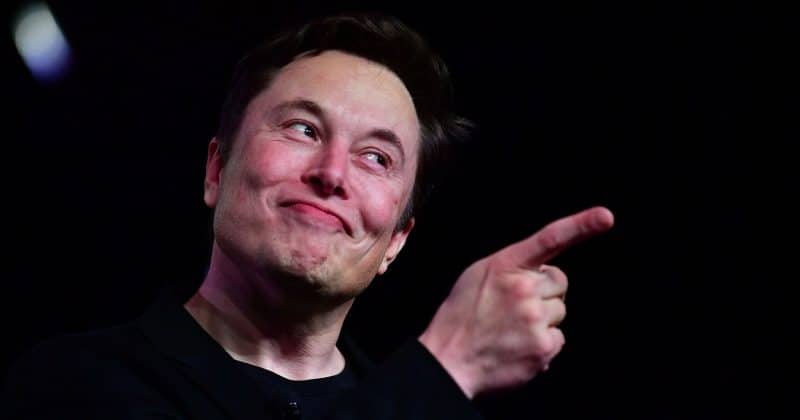
There’s a new comma in the world’s richest person’s net worth. Elon Musk crossed the $1 trillion threshold after SpaceX shares surged on their first day of public trading, making him the first human being to hold a 13-figure fortune, at least on paper.

SpaceX priced its IPO at $135 per share on June 12, 2026, selling 555.6 million shares on the Nasdaq under the ticker SPCX. The offering raised $75 billion, an amount so large it makes Saudi Aramco’s previous record-setting IPO look quaint by comparison.

The biggest debut in stock market history

SpaceX’s post-IPO valuation landed at approximately $1.77 trillion, instantly vaulting it into the upper tier of the world’s most valuable publicly traded companies.

Musk retains 84.4% of the company’s voting power. The $75 billion raise suggests demand was overwhelming, with institutional money pouring in despite a detail that might give more cautious investors pause: SpaceX reported operational losses of $8.7 billion heading into the offering.

Advertisement

SpaceX filed confidentially with the SEC back in April 2026, keeping details under wraps while it gauged market appetite. By early June, the pricing was announced, and within days, shares were trading publicly.

How Musk hit $1 trillion

Musk’s newly minted trillionaire status doesn’t come solely from SpaceX. His significant stake in Tesla, which remains one of the world’s most valuable automakers, contributes a substantial chunk of his fortune. Estimates peg his total net worth somewhere between $1 trillion and $1.1 trillion after the SpaceX debut.

Worth noting: this is paper wealth, not liquid cash. Musk can’t exactly walk into a bank and withdraw $1 trillion. His fortune is tied up in equity, and if SpaceX shares drop or Tesla stumbles, that number moves accordingly.

Millionaires minted overnight

SpaceX employees who held equity in the company before the IPO are expected to see life-changing windfalls now that shares are publicly tradable. Many longtime employees are poised to become millionaires, a dynamic that echoes the early days of Google and Facebook IPOs, when rank-and-file engineers suddenly found themselves sitting on fortunes.

For the broader aerospace industry, the IPO is a turning point. SpaceX has operated for years as a private company, largely insulated from the quarterly earnings pressure and public scrutiny that come with a stock listing. That changes now. The $8.7 billion in pre-IPO losses will face new levels of investor attention each quarter.

What this means for investors

The company operates across two massive markets: launch services and satellite internet through Starlink. The bullish case is straightforward. SpaceX has no real competitor in reusable rocket technology at scale, Starlink is rapidly building a global subscriber base, and government contracts for national security launches provide a revenue floor.

The bearish case is equally straightforward. The company is losing $8.7 billion, the valuation assumes near-perfect execution across multiple business lines, and Musk’s 84.4% voting control means public shareholders have essentially zero say in corporate governance.

At nearly $1.8 trillion, SpaceX is too large to ignore in any tech-weighted portfolio. But its risk profile, combining aerospace execution risk with startup-level losses and a founder-controlled governance structure, doesn’t fit neatly into traditional valuation frameworks. Portfolio managers will need to decide whether SpaceX is a tech stock, a defense stock, a telecom stock, or something entirely new.

Disclosure: This article was edited by Editorial Team. For more information on how we create and review content, see our Editorial Policy.

Elon Musk becomes world’s first trillionaire after SpaceX IPO raises $75B

Elon Musk becomes world’s first trillionaire after SpaceX IPO raises $75B

SpaceX's Nasdaq debut valued the rocket company at roughly $1.77 trillion, shattering Saudi Aramco's record and pushing Musk's net worth past the 13-digit mark

There’s a new comma in the world’s richest person’s net worth. Elon Musk crossed the $1 trillion threshold after SpaceX shares surged on their first day of public trading, making him the first human being to hold a 13-figure fortune, at least on paper.

SpaceX priced its IPO at $135 per share on June 12, 2026, selling 555.6 million shares on the Nasdaq under the ticker SPCX. The offering raised $75 billion, an amount so large it makes Saudi Aramco’s previous record-setting IPO look quaint by comparison.

The biggest debut in stock market history

SpaceX’s post-IPO valuation landed at approximately $1.77 trillion, instantly vaulting it into the upper tier of the world’s most valuable publicly traded companies.

Musk retains 84.4% of the company’s voting power. The $75 billion raise suggests demand was overwhelming, with institutional money pouring in despite a detail that might give more cautious investors pause: SpaceX reported operational losses of $8.7 billion heading into the offering.

Advertisement

SpaceX filed confidentially with the SEC back in April 2026, keeping details under wraps while it gauged market appetite. By early June, the pricing was announced, and within days, shares were trading publicly.

How Musk hit $1 trillion

Musk’s newly minted trillionaire status doesn’t come solely from SpaceX. His significant stake in Tesla, which remains one of the world’s most valuable automakers, contributes a substantial chunk of his fortune. Estimates peg his total net worth somewhere between $1 trillion and $1.1 trillion after the SpaceX debut.

Worth noting: this is paper wealth, not liquid cash. Musk can’t exactly walk into a bank and withdraw $1 trillion. His fortune is tied up in equity, and if SpaceX shares drop or Tesla stumbles, that number moves accordingly.

Millionaires minted overnight

SpaceX employees who held equity in the company before the IPO are expected to see life-changing windfalls now that shares are publicly tradable. Many longtime employees are poised to become millionaires, a dynamic that echoes the early days of Google and Facebook IPOs, when rank-and-file engineers suddenly found themselves sitting on fortunes.

For the broader aerospace industry, the IPO is a turning point. SpaceX has operated for years as a private company, largely insulated from the quarterly earnings pressure and public scrutiny that come with a stock listing. That changes now. The $8.7 billion in pre-IPO losses will face new levels of investor attention each quarter.

What this means for investors

The company operates across two massive markets: launch services and satellite internet through Starlink. The bullish case is straightforward. SpaceX has no real competitor in reusable rocket technology at scale, Starlink is rapidly building a global subscriber base, and government contracts for national security launches provide a revenue floor.

The bearish case is equally straightforward. The company is losing $8.7 billion, the valuation assumes near-perfect execution across multiple business lines, and Musk’s 84.4% voting control means public shareholders have essentially zero say in corporate governance.

At nearly $1.8 trillion, SpaceX is too large to ignore in any tech-weighted portfolio. But its risk profile, combining aerospace execution risk with startup-level losses and a founder-controlled governance structure, doesn’t fit neatly into traditional valuation frameworks. Portfolio managers will need to decide whether SpaceX is a tech stock, a defense stock, a telecom stock, or something entirely new.

Disclosure: This article was edited by Editorial Team. For more information on how we create and review content, see our Editorial Policy.