
Nexo Earn with Nexo
SpaceX set to surpass Amazon in market value after IPO surge

SpaceX set to surpass Amazon in market value after IPO surge

The aerospace giant's shares have climbed past $192 in post-IPO trading, pushing its market cap beyond $2.5 trillion and closing in on Amazon's $2.6 trillion valuation

SpaceX went public less than two weeks ago. It’s already knocking on Amazon’s door.

After pricing its IPO at $135 per share on June 11 and raising roughly $75 billion, the largest initial public offering in US history, SpaceX’s shares have continued their ascent well past debut-day levels. The stock, trading on Nasdaq under the ticker SPCX, closed its first day at $160.95, a 19% pop that valued the company at $2.1 trillion. In the days since, shares have climbed into the $192 to $210 range, pushing the market cap above $2.5 trillion.

Amazon’s market capitalization during the same period sits at approximately $2.6 trillion. The gap is narrowing fast.

A debut for the history books

SpaceX raised $75 billion in a single offering. The company’s valuation went from $1.77 trillion at pricing to north of $2.5 trillion within days of trading.

The first-day performance alone was striking. Opening at $150 and closing at $160.95, SPCX delivered a 19% gain on debut day.

Advertisement

Reports now suggest SpaceX could achieve a valuation exceeding $2.75 trillion, which would place it ahead of Amazon and in the same conversation as companies like Broadcom among the world’s most valuable publicly traded firms.

One side effect of this valuation surge: Elon Musk is now the world’s first trillionaire. His stake in SpaceX, combined with his other holdings, crossed that threshold following the IPO.

The numbers beneath the narrative

SpaceX reported revenue of approximately $18.7 billion for 2025. It also posted an operating loss of around $4.2 billion.

The company is valued at roughly 134 times its annual revenue. Amazon, by contrast, generates hundreds of billions in revenue annually against a similar market cap.

That gap reflects a bet on the future, specifically on the growth trajectory of Starlink, SpaceX’s satellite internet service. Investors are also betting on commercial space travel, satellite deployment, and government contracts that could expand SpaceX’s revenue base.

What this means for investors

The IPO was oversubscribed, the first-day pop was orderly, and the subsequent climb has been persistent.

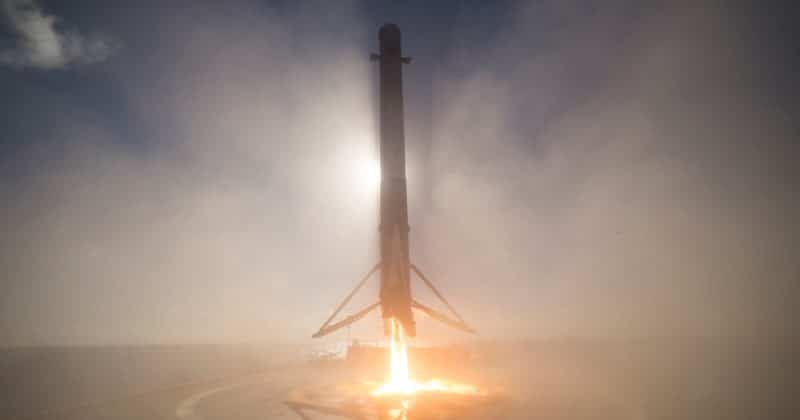
SpaceX operates in a market with enormous barriers to entry. Starlink alone could eventually generate tens of billions annually if adoption curves hold. The company’s reusable rocket technology has fundamentally altered the economics of space access.

A $4.2 billion operating loss against $18.7 billion in revenue is a structural feature of a company still investing heavily in capital-intensive projects. A stock trading at 134 times revenue has very little margin for error.

Amazon itself is building Project Kuiper, its own satellite internet constellation designed to compete directly with Starlink. That rivalry will likely define both companies’ trajectories in the satellite internet space.

Disclosure: This article was edited by Editorial Team. For more information on how we create and review content, see our Editorial Policy.

SpaceX set to surpass Amazon in market value after IPO surge

SpaceX set to surpass Amazon in market value after IPO surge

The aerospace giant's shares have climbed past $192 in post-IPO trading, pushing its market cap beyond $2.5 trillion and closing in on Amazon's $2.6 trillion valuation

SpaceX went public less than two weeks ago. It’s already knocking on Amazon’s door.

After pricing its IPO at $135 per share on June 11 and raising roughly $75 billion, the largest initial public offering in US history, SpaceX’s shares have continued their ascent well past debut-day levels. The stock, trading on Nasdaq under the ticker SPCX, closed its first day at $160.95, a 19% pop that valued the company at $2.1 trillion. In the days since, shares have climbed into the $192 to $210 range, pushing the market cap above $2.5 trillion.

Amazon’s market capitalization during the same period sits at approximately $2.6 trillion. The gap is narrowing fast.

A debut for the history books

SpaceX raised $75 billion in a single offering. The company’s valuation went from $1.77 trillion at pricing to north of $2.5 trillion within days of trading.

The first-day performance alone was striking. Opening at $150 and closing at $160.95, SPCX delivered a 19% gain on debut day.

Advertisement

Reports now suggest SpaceX could achieve a valuation exceeding $2.75 trillion, which would place it ahead of Amazon and in the same conversation as companies like Broadcom among the world’s most valuable publicly traded firms.

One side effect of this valuation surge: Elon Musk is now the world’s first trillionaire. His stake in SpaceX, combined with his other holdings, crossed that threshold following the IPO.

The numbers beneath the narrative

SpaceX reported revenue of approximately $18.7 billion for 2025. It also posted an operating loss of around $4.2 billion.

The company is valued at roughly 134 times its annual revenue. Amazon, by contrast, generates hundreds of billions in revenue annually against a similar market cap.

That gap reflects a bet on the future, specifically on the growth trajectory of Starlink, SpaceX’s satellite internet service. Investors are also betting on commercial space travel, satellite deployment, and government contracts that could expand SpaceX’s revenue base.

What this means for investors

The IPO was oversubscribed, the first-day pop was orderly, and the subsequent climb has been persistent.

SpaceX operates in a market with enormous barriers to entry. Starlink alone could eventually generate tens of billions annually if adoption curves hold. The company’s reusable rocket technology has fundamentally altered the economics of space access.

A $4.2 billion operating loss against $18.7 billion in revenue is a structural feature of a company still investing heavily in capital-intensive projects. A stock trading at 134 times revenue has very little margin for error.

Amazon itself is building Project Kuiper, its own satellite internet constellation designed to compete directly with Starlink. That rivalry will likely define both companies’ trajectories in the satellite internet space.

Disclosure: This article was edited by Editorial Team. For more information on how we create and review content, see our Editorial Policy.