
Spain reaches World Cup final as fans flood New York and Madrid, but crypto sits this one out

Spain reaches World Cup final as fans flood New York and Madrid, but crypto sits this one out

The biggest sporting event on the planet is happening without a single major crypto sponsor, and that tells us something about where the industry stands in 2026

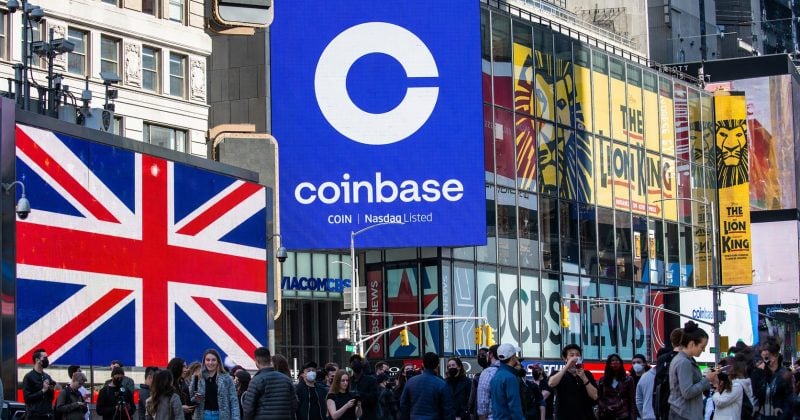
Spain is headed to the World Cup final after dispatching France in the semi-finals, and the celebrations have been exactly what you’d expect. Fans packed Plaza de Colón in Madrid and flooded the streets of New York City, where the final will be played on July 19 at MetLife Stadium.

Here’s what’s interesting for anyone reading this on a crypto news site: the biggest global sporting event of the decade is unfolding without a meaningful crypto presence. No major token sponsors. No blockchain-powered ticketing headlines. No fan token pumps making waves.

The beautiful game, minus the blockchain

The 2026 FIFA World Cup, co-hosted by the United States, Canada, and Mexico, is the largest edition of the tournament ever staged. Spain’s path to the final continues a legacy that began with their first World Cup title in 2010.

Advertisement

But rewind to 2022, and the contrast is stark. That year’s World Cup in Qatar featured Crypto.com as an official sponsor. Algorand had a deal with FIFA itself. Fan tokens from Socios and Chiliz were everywhere, promising to revolutionize how supporters interacted with their clubs and national teams.

Fast forward four years, and the crypto industry’s footprint at the 2026 tournament is essentially invisible. The sponsorship slots have been reclaimed by traditional brands. No major exchange has its logo on the pitch boards. No Layer 1 blockchain is running ads during halftime.

What happened to sports and crypto

When FTX collapsed in November 2022, it took its naming rights deal with the Miami Heat’s arena down with it. FIFA, which had embraced Algorand with open arms for the Qatar tournament, quietly let the relationship fade from the spotlight.

Formula 1 teams that once plastered exchange logos across their cars started replacing them with AI companies and cloud providers.

What this means for crypto investors

Fan tokens are worth watching as a case study. During the 2022 World Cup cycle, tokens tied to national teams and clubs saw speculative pumps around match days. The fact that this dynamic hasn’t materialized in 2026, even with Spain’s run to the final generating massive global attention, suggests the fan token model may have been more hype than infrastructure.

For now, Spain’s fans will celebrate in the streets of New York and Madrid without scanning a QR code to mint an NFT or checking their fan token portfolio between goals.

Disclosure: This article was edited by Editorial Team. For more information on how we create and review content, see our Editorial Policy.

Spain reaches World Cup final as fans flood New York and Madrid, but crypto sits this one out

Spain reaches World Cup final as fans flood New York and Madrid, but crypto sits this one out

The biggest sporting event on the planet is happening without a single major crypto sponsor, and that tells us something about where the industry stands in 2026

Spain is headed to the World Cup final after dispatching France in the semi-finals, and the celebrations have been exactly what you’d expect. Fans packed Plaza de Colón in Madrid and flooded the streets of New York City, where the final will be played on July 19 at MetLife Stadium.

Here’s what’s interesting for anyone reading this on a crypto news site: the biggest global sporting event of the decade is unfolding without a meaningful crypto presence. No major token sponsors. No blockchain-powered ticketing headlines. No fan token pumps making waves.

The beautiful game, minus the blockchain

The 2026 FIFA World Cup, co-hosted by the United States, Canada, and Mexico, is the largest edition of the tournament ever staged. Spain’s path to the final continues a legacy that began with their first World Cup title in 2010.

Advertisement

But rewind to 2022, and the contrast is stark. That year’s World Cup in Qatar featured Crypto.com as an official sponsor. Algorand had a deal with FIFA itself. Fan tokens from Socios and Chiliz were everywhere, promising to revolutionize how supporters interacted with their clubs and national teams.

Fast forward four years, and the crypto industry’s footprint at the 2026 tournament is essentially invisible. The sponsorship slots have been reclaimed by traditional brands. No major exchange has its logo on the pitch boards. No Layer 1 blockchain is running ads during halftime.

What happened to sports and crypto

When FTX collapsed in November 2022, it took its naming rights deal with the Miami Heat’s arena down with it. FIFA, which had embraced Algorand with open arms for the Qatar tournament, quietly let the relationship fade from the spotlight.

Formula 1 teams that once plastered exchange logos across their cars started replacing them with AI companies and cloud providers.

What this means for crypto investors

Fan tokens are worth watching as a case study. During the 2022 World Cup cycle, tokens tied to national teams and clubs saw speculative pumps around match days. The fact that this dynamic hasn’t materialized in 2026, even with Spain’s run to the final generating massive global attention, suggests the fan token model may have been more hype than infrastructure.

For now, Spain’s fans will celebrate in the streets of New York and Madrid without scanning a QR code to mint an NFT or checking their fan token portfolio between goals.

Disclosure: This article was edited by Editorial Team. For more information on how we create and review content, see our Editorial Policy.