
Sports-branded crypto tokens and NFTs gain attention as World Cup spotlight grows

Sports-branded crypto tokens and NFTs gain attention as World Cup spotlight grows

Canada striker Jonathan David's World Cup visibility highlights the expanding intersection of athlete branding and blockchain-based digital assets.

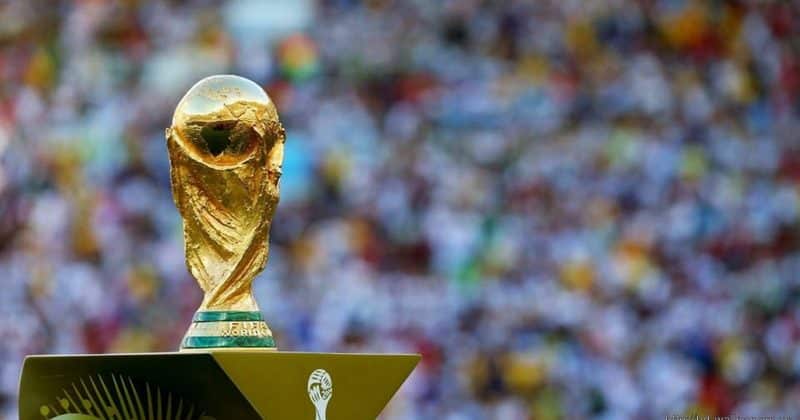
The 2026 FIFA World Cup is shaping up to be more than just a sporting event. It’s becoming a proving ground for how athlete visibility translates into blockchain-based speculation and digital collectible demand.

Canada striker Jonathan David, one of the tournament’s most watched attackers, recently emphasized the need for total concentration ahead of his team’s Group B clash against Switzerland on June 24 at BC Place in Vancouver. His comments about resilience and avoiding errors in high-pressure knockout scenarios are standard pre-match fare. What’s less standard is what’s happening around his name in the crypto space.

From the pitch to the blockchain

David’s presence in crypto isn’t something he’s actively engineering, at least not publicly. But digital assets bearing his name and likeness already exist in two distinct forms.

First, Panini has launched blockchain-based NFT trading cards featuring David as part of its 2025-26 Serie A Select series. These aren’t your childhood sticker albums. They’re digital collectibles minted on-chain, part of a broader push by Panini to merge its decades-old trading card business with Web3 infrastructure.

Advertisement

Second, and considerably more speculative, a token called DAVID is currently trading on the Solana blockchain via the Jupiter aggregator. The price sits around $0.00000196 with minimal trading volume.

Neither of these assets appears to have any formal endorsement from David himself. That distinction matters, because the difference between an officially licensed NFT and a community-minted meme token is roughly the difference between a licensed jersey and a knockoff bought outside the stadium.

Why athlete-branded tokens keep appearing

The Panini NFT cards represent the more institutional end of this spectrum. Panini has spent years building relationships with leagues and player associations. Their blockchain collectibles carry actual licensing agreements, which gives them a floor of legitimacy that random Solana tokens simply don’t have.

The DAVID token represents crypto’s grassroots speculation machine at work. Solana’s low transaction costs make it trivially easy to launch tokens tied to trending names. A token priced at fractions of a cent with minimal volume can move dramatically on very little capital. But the exit liquidity on these tokens is often nonexistent, meaning getting out at a profit requires someone else to buy in at a higher price.

The bigger picture for sports and crypto

Sports leagues globally have been experimenting with blockchain technology for years, from fan tokens on platforms like Socios to NBA Top Shot’s moment-based NFTs. Fan tokens generally trade well below their initial hype-driven peaks. NBA Top Shot’s trading volumes have declined significantly from their 2021 highs. Yet new entrants like Panini’s Serie A Select NFTs suggest that established brands still see long-term potential in digital collectibles.

The 2026 World Cup, co-hosted by the US, Canada, and Mexico, represents arguably the largest stage these experiments have ever had.

Licensed NFTs from established brands like Panini carry lower risk but also lower upside — they’re collectibles first and speculative instruments second. Unlicensed tokens tied to athlete names carry extreme risk, near-zero liquidity, no fundamental backing, and complete dependence on narrative momentum that evaporates the moment the news cycle moves on.

Disclosure: This article was edited by Editorial Team. For more information on how we create and review content, see our Editorial Policy.

Sports-branded crypto tokens and NFTs gain attention as World Cup spotlight grows

Sports-branded crypto tokens and NFTs gain attention as World Cup spotlight grows

Canada striker Jonathan David's World Cup visibility highlights the expanding intersection of athlete branding and blockchain-based digital assets.

The 2026 FIFA World Cup is shaping up to be more than just a sporting event. It’s becoming a proving ground for how athlete visibility translates into blockchain-based speculation and digital collectible demand.

Canada striker Jonathan David, one of the tournament’s most watched attackers, recently emphasized the need for total concentration ahead of his team’s Group B clash against Switzerland on June 24 at BC Place in Vancouver. His comments about resilience and avoiding errors in high-pressure knockout scenarios are standard pre-match fare. What’s less standard is what’s happening around his name in the crypto space.

From the pitch to the blockchain

David’s presence in crypto isn’t something he’s actively engineering, at least not publicly. But digital assets bearing his name and likeness already exist in two distinct forms.

First, Panini has launched blockchain-based NFT trading cards featuring David as part of its 2025-26 Serie A Select series. These aren’t your childhood sticker albums. They’re digital collectibles minted on-chain, part of a broader push by Panini to merge its decades-old trading card business with Web3 infrastructure.

Advertisement

Second, and considerably more speculative, a token called DAVID is currently trading on the Solana blockchain via the Jupiter aggregator. The price sits around $0.00000196 with minimal trading volume.

Neither of these assets appears to have any formal endorsement from David himself. That distinction matters, because the difference between an officially licensed NFT and a community-minted meme token is roughly the difference between a licensed jersey and a knockoff bought outside the stadium.

Why athlete-branded tokens keep appearing

The Panini NFT cards represent the more institutional end of this spectrum. Panini has spent years building relationships with leagues and player associations. Their blockchain collectibles carry actual licensing agreements, which gives them a floor of legitimacy that random Solana tokens simply don’t have.

The DAVID token represents crypto’s grassroots speculation machine at work. Solana’s low transaction costs make it trivially easy to launch tokens tied to trending names. A token priced at fractions of a cent with minimal volume can move dramatically on very little capital. But the exit liquidity on these tokens is often nonexistent, meaning getting out at a profit requires someone else to buy in at a higher price.

The bigger picture for sports and crypto

Sports leagues globally have been experimenting with blockchain technology for years, from fan tokens on platforms like Socios to NBA Top Shot’s moment-based NFTs. Fan tokens generally trade well below their initial hype-driven peaks. NBA Top Shot’s trading volumes have declined significantly from their 2021 highs. Yet new entrants like Panini’s Serie A Select NFTs suggest that established brands still see long-term potential in digital collectibles.

The 2026 World Cup, co-hosted by the US, Canada, and Mexico, represents arguably the largest stage these experiments have ever had.

Licensed NFTs from established brands like Panini carry lower risk but also lower upside — they’re collectibles first and speculative instruments second. Unlicensed tokens tied to athlete names carry extreme risk, near-zero liquidity, no fundamental backing, and complete dependence on narrative momentum that evaporates the moment the news cycle moves on.

Disclosure: This article was edited by Editorial Team. For more information on how we create and review content, see our Editorial Policy.