
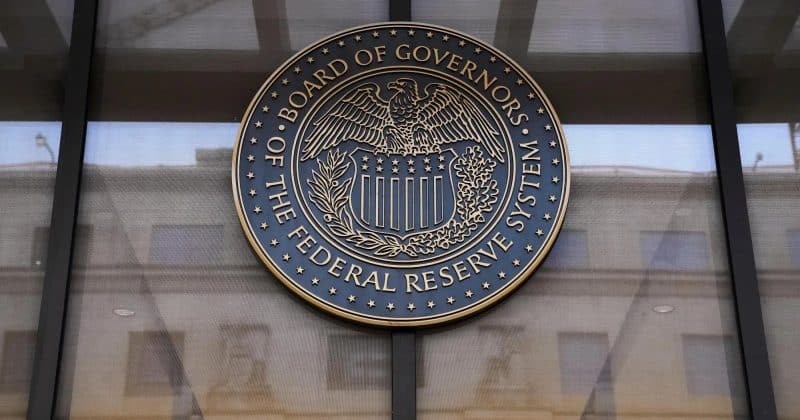
Supreme Court affirms Federal Reserve’s independence amid agency rulings

Supreme Court affirms Federal Reserve’s independence amid agency rulings

A split decision shields the Fed from presidential firing power while stripping protections from the SEC, CFTC, and FTC in a landmark shift for crypto regulation

The Supreme Court just drew a very specific line in the sand. The Federal Reserve gets to keep its independence. Nearly every other major regulatory agency in the country does not.

In a 5-4 decision in Trump v. Cook on June 29, 2026, the Court ruled that the Fed’s Board of Governors retains its statutory “for cause” protections against presidential removal. Governor Lisa Cook, whom President Trump sought to dismiss, remains in her position pending further proceedings. The central bank’s structural independence, in other words, survived its biggest legal test in modern history.

But here’s the thing. In a companion ruling decided the same day, the Court voted 6-3 to overturn Humphrey’s Executor, a 91-year-old precedent that had shielded independent agency commissioners from at-will presidential removal. That means the heads of the FTC, SEC, and CFTC can now be fired by the president without cause.

Advertisement

Two rulings, two very different futures

Chief Justice Roberts wrote that the ruling was meant to prevent transforming “the Federal Reserve’s for-cause protection into at-will employment.”

Fed governors serve staggered 14-year terms, a design intended to insulate monetary policy from short-term political pressure. The Court found that this structure, and the enormous consequences of destabilizing the institution responsible for interest rates, inflation management, and dollar stability, warranted an exception to the broader principle it was simultaneously establishing.

By overturning Humphrey’s Executor, the Court effectively handed the executive branch a new lever of control over agencies that regulate everything from antitrust enforcement to securities law to derivatives oversight. The SEC and CFTC, the two agencies most directly responsible for digital asset regulation in the US, now operate with significantly reduced structural independence. A sitting president can now fire and replace the chair of the SEC or CFTC without cause.

What this means for crypto regulation

The crypto industry has spent the better part of four years caught between the SEC and CFTC, with both agencies claiming overlapping jurisdiction over digital assets. The SEC under its various chairs has pursued enforcement actions against exchanges, token issuers, and DeFi protocols. The CFTC has simultaneously expanded its own regulatory footprint into crypto derivatives and certain spot markets.

On the optimistic side, a president sympathetic to crypto could install agency leaders who fast-track clearer regulatory frameworks, approve spot ETF applications more readily, or dial back enforcement-heavy approaches. On the less optimistic side, the same mechanism works in reverse. A future administration hostile to digital assets could install commissioners who impose restrictive rules with minimal institutional resistance. The for-cause protections that previously acted as a buffer against rapid ideological swings in agency leadership are now gone.

The Fed exception and market stability

Had the Court ruled that the president could remove Fed governors at will, it would have introduced political uncertainty into monetary policy. For traditional financial markets, the Fed ruling provides a buffer that benefits Treasury yields, equity valuations, and the dollar itself. That stability cascades into crypto markets as well, where Bitcoin increasingly trades as a macro asset sensitive to rate expectations and dollar movements.

Investors watching this space should pay close attention to any personnel changes at the SEC and CFTC in the coming months. The Court has handed the executive branch a tool it didn’t have before.

Disclosure: This article was edited by Editorial Team. For more information on how we create and review content, see our Editorial Policy.

Supreme Court affirms Federal Reserve’s independence amid agency rulings

Supreme Court affirms Federal Reserve’s independence amid agency rulings

A split decision shields the Fed from presidential firing power while stripping protections from the SEC, CFTC, and FTC in a landmark shift for crypto regulation

The Supreme Court just drew a very specific line in the sand. The Federal Reserve gets to keep its independence. Nearly every other major regulatory agency in the country does not.

In a 5-4 decision in Trump v. Cook on June 29, 2026, the Court ruled that the Fed’s Board of Governors retains its statutory “for cause” protections against presidential removal. Governor Lisa Cook, whom President Trump sought to dismiss, remains in her position pending further proceedings. The central bank’s structural independence, in other words, survived its biggest legal test in modern history.

But here’s the thing. In a companion ruling decided the same day, the Court voted 6-3 to overturn Humphrey’s Executor, a 91-year-old precedent that had shielded independent agency commissioners from at-will presidential removal. That means the heads of the FTC, SEC, and CFTC can now be fired by the president without cause.

Advertisement

Two rulings, two very different futures

Chief Justice Roberts wrote that the ruling was meant to prevent transforming “the Federal Reserve’s for-cause protection into at-will employment.”

Fed governors serve staggered 14-year terms, a design intended to insulate monetary policy from short-term political pressure. The Court found that this structure, and the enormous consequences of destabilizing the institution responsible for interest rates, inflation management, and dollar stability, warranted an exception to the broader principle it was simultaneously establishing.

By overturning Humphrey’s Executor, the Court effectively handed the executive branch a new lever of control over agencies that regulate everything from antitrust enforcement to securities law to derivatives oversight. The SEC and CFTC, the two agencies most directly responsible for digital asset regulation in the US, now operate with significantly reduced structural independence. A sitting president can now fire and replace the chair of the SEC or CFTC without cause.

What this means for crypto regulation

The crypto industry has spent the better part of four years caught between the SEC and CFTC, with both agencies claiming overlapping jurisdiction over digital assets. The SEC under its various chairs has pursued enforcement actions against exchanges, token issuers, and DeFi protocols. The CFTC has simultaneously expanded its own regulatory footprint into crypto derivatives and certain spot markets.

On the optimistic side, a president sympathetic to crypto could install agency leaders who fast-track clearer regulatory frameworks, approve spot ETF applications more readily, or dial back enforcement-heavy approaches. On the less optimistic side, the same mechanism works in reverse. A future administration hostile to digital assets could install commissioners who impose restrictive rules with minimal institutional resistance. The for-cause protections that previously acted as a buffer against rapid ideological swings in agency leadership are now gone.

The Fed exception and market stability

Had the Court ruled that the president could remove Fed governors at will, it would have introduced political uncertainty into monetary policy. For traditional financial markets, the Fed ruling provides a buffer that benefits Treasury yields, equity valuations, and the dollar itself. That stability cascades into crypto markets as well, where Bitcoin increasingly trades as a macro asset sensitive to rate expectations and dollar movements.

Investors watching this space should pay close attention to any personnel changes at the SEC and CFTC in the coming months. The Court has handed the executive branch a tool it didn’t have before.

Disclosure: This article was edited by Editorial Team. For more information on how we create and review content, see our Editorial Policy.