
Why crypto enthusiasts are paying attention to Synology’s top-rated NAS devices
The home storage hardware brand keeps winning best-in-class reviews, and a growing number of Bitcoin node operators are taking notice
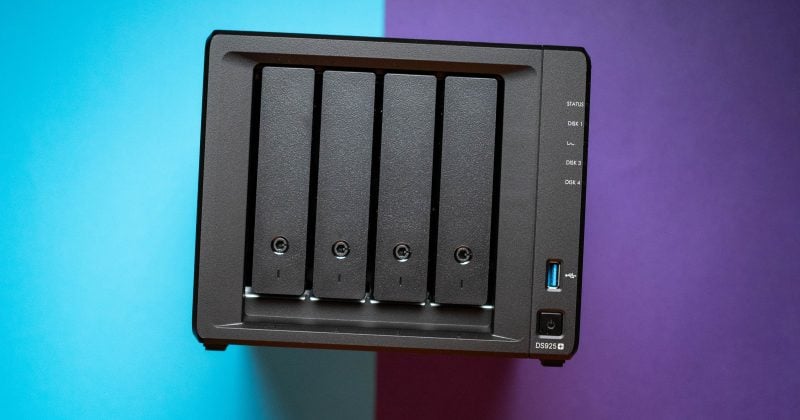
Synology just picked up another round of accolades for its home network-attached storage lineup. Wirecutter named the DiskStation DS225+ its top home NAS pick in March 2026, while PCMag gave the nod to the Synology BeeStation as the best single-drive option and the DS1525+ for small business and home use.
The hardware case for running your own node
The DS225+ comes equipped with 2.5-gigabit Ethernet, which is fast enough to handle media streaming, centralized backups, and, increasingly, blockchain workloads. Users are deploying Bitcoin full nodes, Monero nodes, and IPFS instances on Synology hardware via Docker containers. Guides for Chia farming on these devices have also circulated for years.
From Dogecoin exploit to legitimate node runner
Synology’s history with crypto isn’t entirely wholesome. Back in 2014, attackers exploited unpatched Synology devices to mine roughly 500 million Dogecoins.
Current crypto use on Synology hardware is overwhelmingly legitimate. Running a Bitcoin full node at home means you’re independently verifying every transaction on the network. Synology’s enterprise credibility adds another layer of confidence. Gartner’s Voice of the Customer report ranked the company as a “Strong Performer” in Backup and Data Protection in May 2026.
The self-custody hardware trend
The DS225+ and its siblings aren’t marketed as crypto devices, and Synology hasn’t made any public announcements about blockchain-specific integrations. The Docker support baked into DiskStation Manager, Synology’s operating system, means the community doesn’t need official permission. If it runs in a container, it runs on a Synology.
AI, tech, and the markets they move—in one daily briefing.
Daily. Free. Join 34,000+ readers across crypto, finance, and policy.
The company showcased advancements in DiskStation Manager at COMPUTEX, reinforcing its commitment to the prosumer and small-business market.
What this means for the crypto-curious buyer
Synology isn’t the only player in this space. QNAP, Asustor, and TerraMaster all compete for NAS market share.
Running a full Bitcoin node on consumer hardware means you’re responsible for uptime, security patches, and physical safety of the device. The 2014 Dogecoin mining exploit is a useful reminder that unpatched NAS devices are targets. Synology’s track record on software updates has improved significantly since then, but the burden of keeping firmware current still falls on the user.