
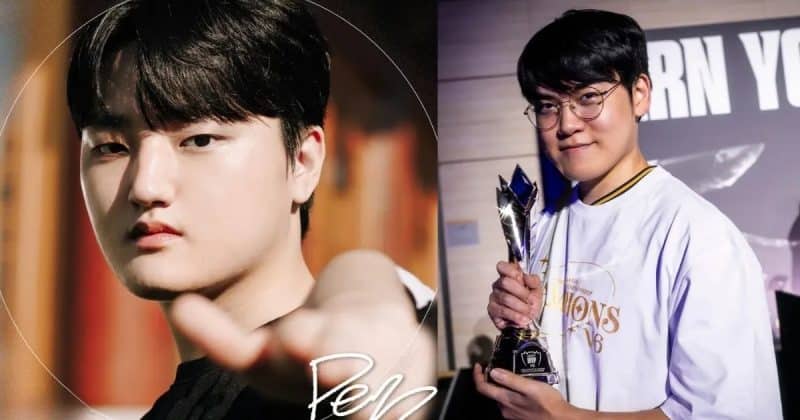
T1’s blockchain partnership with Sui gets a spotlight boost as Peyz delivers standout MSI performance
The 20-year-old bot laner's individual brilliance in T1's loss to G2 Esports draws attention to the three-time world champion's deepening ties with the Sui ecosystem
Kim “Peyz” Su-hwan put on a clinic against G2 Esports at the 2026 Mid-Season Invitational on July 8, turning a 3-1 series loss into a personal highlight reel. For crypto watchers, the more interesting storyline sits behind the stage: T1, one of the most decorated esports organizations on the planet, has been partnered with the Sui blockchain since February 2024, and every time the team trends globally, that partnership gets another round of eyeballs.
What happened on the Rift
T1 entered the MSI 2026 bracket stage as a serious contender. The organization is a three-time League of Legends world champion, and their roster rebuild heading into this season signaled ambition.
Peyz, who joined T1 on November 19, 2025, replaced the veteran Gumayusi in the bot lane role. At just 20 years old, he was asked to fill enormous shoes on one of the biggest stages in competitive gaming.
G2 Esports ultimately took the series 3-1. But Peyz’s individual performance drew widespread praise from analysts and fans alike.
Before arriving at T1, Peyz built his resume through Gen.G Academy from 2020 to 2021 and then moved to JD Gaming in China’s League of Legends Pro League. That international experience, playing in both the LCK and LPL ecosystems, clearly prepared him for the pressure of representing T1 at a major international tournament.
T1 has him locked up through 2028.
The Sui connection and why it matters for crypto
T1’s multiyear partnership with the Sui blockchain, which began in February 2024, represents a strategic bet by both parties on the convergence of gaming culture and decentralized technology.
The news moving money, markets, and the world—before your day starts.
Daily. Free. Join 34,000+ readers across crypto, finance, and policy.
Every time T1 plays a high-profile match, whether they win or lose, the Sui brand rides alongside. MSI is one of the two biggest international League of Legends events each year, drawing millions of concurrent viewers across global broadcast platforms.
T1’s pedigree — three world championships and arguably the most famous player in esports history in Faker — makes their partnerships carry outsized weight compared to deals with mid-tier teams.
What this means for investors
Partnerships like T1 and Sui are multiyear commitments with integration components, not just billboard advertising. Trading sentiment around tokens linked to esports organizations has historically shown short-term volume spikes around tournament appearances, particularly when unexpected narratives emerge, like a young player delivering a breakout performance in a losing cause.
The risk is that brand association is not the same as utility. A sponsorship deal makes people aware of Sui. It does not inherently make them use Sui.
Investors monitoring the gaming and blockchain intersection should watch for whether partnerships like T1-Sui expand into fan-facing products such as NFT ticketing, token-gated content, or on-chain loyalty programs, and whether on-chain metrics for associated tokens show any correlation with major tournament timelines.