
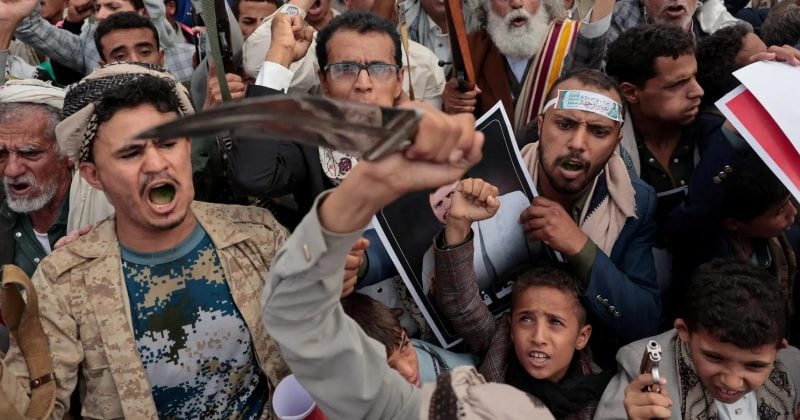
Tensions between Iran, houthis, and Saudi Arabia escalate

https://responsiblestatecraft.org/houthi-attack-saudi-arabia/

Tensions between Iran, houthis, and Saudi Arabia escalate

Strait of Hormuz traffic normalization

Recent reports from the Jerusalem Post highlight escalating tensions between Iran, the Houthis in Yemen, and Saudi Arabia. This development is part of a broader regional conflict involving Iran, Israel, and the U.S., with the Houthis acting as Iran’s allies. The current situation has moved beyond rhetoric, with active military engagement, including missile and drone strikes targeting Saudi interests and reciprocal airstrikes on Houthi positions. This escalation raises concerns about potential disruptions in regional maritime traffic, particularly through critical chokepoints like the Red Sea and Bab al-Mandeb.

In response to these tensions, prediction markets have adjusted their outlook on the likelihood of the Strait of Hormuz traffic returning to normal by August 31, 2026. The probability of a YES outcome for this scenario has decreased significantly, reflecting increased concerns about ongoing military actions and their impact on regional shipping routes. With a substantial drop in YES pricing, the market suggests that participants view the likelihood of traffic normalization as low under current conditions.

Advertisement

Despite these developments, there are still active discussions regarding a potential US-Iran deal in 2026, which could involve Iran Reconstruction Funding. The likelihood of such a deal incorporating specific terms remains under scrutiny, with market movements indicating varied expectations about the outcome of these negotiations.

Key Takeaways

  • Market pricing suggests a decreased likelihood of Strait of Hormuz traffic normalization by August 31, 2026, amid escalating tensions.
  • The current military engagements between Iran, the Houthis, and Saudi Arabia appear to be a significant factor influencing market sentiment.
  • The probability of a US-Iran deal in 2026 including Iran Reconstruction Funding shows mixed expectations, with some fluctuations in market pricing.

What to Watch

Observers should monitor any official announcements from Iranian and U.S. leaders, which could influence market sentiment regarding regional stability and potential agreements. Developments such as a peace deal or further military escalations could impact market views on the Strait of Hormuz traffic and US-Iran relations. Additionally, updates from maritime tracking systems regarding the status of the Strait could provide key indicators of changes in the risk of disruption.

Get live prediction-market analysis, powered by Vera. Sign up for Vera.

Disclosure: This article was edited by Estefano Gomez. For more information on how we create and review content, see our Editorial Policy.

Tensions between Iran, houthis, and Saudi Arabia escalate

Tensions between Iran, houthis, and Saudi Arabia escalate

Strait of Hormuz traffic normalization

https://responsiblestatecraft.org/houthi-attack-saudi-arabia/

Recent reports from the Jerusalem Post highlight escalating tensions between Iran, the Houthis in Yemen, and Saudi Arabia. This development is part of a broader regional conflict involving Iran, Israel, and the U.S., with the Houthis acting as Iran’s allies. The current situation has moved beyond rhetoric, with active military engagement, including missile and drone strikes targeting Saudi interests and reciprocal airstrikes on Houthi positions. This escalation raises concerns about potential disruptions in regional maritime traffic, particularly through critical chokepoints like the Red Sea and Bab al-Mandeb.

In response to these tensions, prediction markets have adjusted their outlook on the likelihood of the Strait of Hormuz traffic returning to normal by August 31, 2026. The probability of a YES outcome for this scenario has decreased significantly, reflecting increased concerns about ongoing military actions and their impact on regional shipping routes. With a substantial drop in YES pricing, the market suggests that participants view the likelihood of traffic normalization as low under current conditions.

Advertisement

Despite these developments, there are still active discussions regarding a potential US-Iran deal in 2026, which could involve Iran Reconstruction Funding. The likelihood of such a deal incorporating specific terms remains under scrutiny, with market movements indicating varied expectations about the outcome of these negotiations.

Key Takeaways

  • Market pricing suggests a decreased likelihood of Strait of Hormuz traffic normalization by August 31, 2026, amid escalating tensions.
  • The current military engagements between Iran, the Houthis, and Saudi Arabia appear to be a significant factor influencing market sentiment.
  • The probability of a US-Iran deal in 2026 including Iran Reconstruction Funding shows mixed expectations, with some fluctuations in market pricing.

What to Watch

Observers should monitor any official announcements from Iranian and U.S. leaders, which could influence market sentiment regarding regional stability and potential agreements. Developments such as a peace deal or further military escalations could impact market views on the Strait of Hormuz traffic and US-Iran relations. Additionally, updates from maritime tracking systems regarding the status of the Strait could provide key indicators of changes in the risk of disruption.

Get live prediction-market analysis, powered by Vera. Sign up for Vera.

Disclosure: This article was edited by Estefano Gomez. For more information on how we create and review content, see our Editorial Policy.