
Nexo Earn with Nexo
TeraWulf expands development pipeline 36% with Muskie Data Campus acquisition

TeraWulf expands development pipeline 36% with Muskie Data Campus acquisition

The former Bitcoin miner adds over 1 GW of AI and HPC capacity in Eastern Kentucky, bringing its total controlled pipeline to 3.8 GW across six sites.

TeraWulf just made its second big Kentucky land grab. The company announced the acquisition of the Muskie Data Campus, a hyperscale AI and high-performance computing development site in Eastern Kentucky, from Industrial Equity Partners. The deal adds over 1 GW of potential data center capacity and grows TeraWulf’s total development pipeline by roughly 36% to 3.8 GW spread across six sites.

Shares of WULF climbed 8-13% in early trading following the announcement.

What TeraWulf is actually building

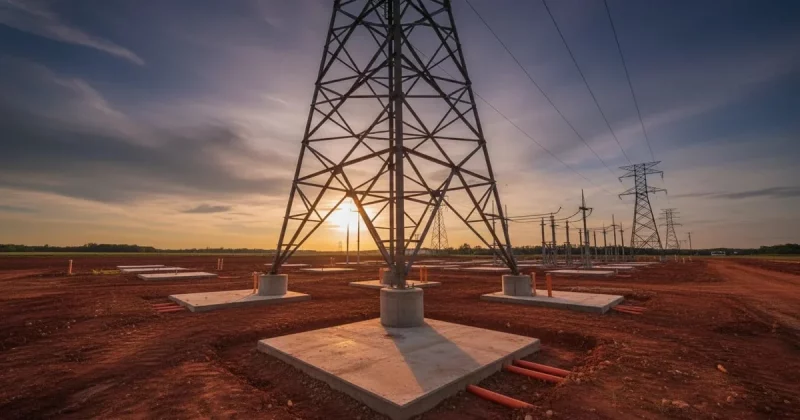
The Muskie Data Campus sits on approximately 285 acres within the 1,000-acre EastPark Industrial Park. The site already has the zoning and permits locked down. Kentucky Power, an AEP subsidiary, is already constructing a dedicated 345 kV substation to serve the campus.

Advertisement

TeraWulf plans to bring the first 500 MW of capacity online in the second half of 2028. The remaining 500 MW is slated for the second half of 2030.

This is TeraWulf’s second major campus in the state. The company already controls the 480 MW Justified Data Campus in Hancock County, Kentucky. Combined with developments in Maryland and elsewhere, TeraWulf added approximately 1.5 GW of capacity to its portfolio in 2026 alone.

The Bitcoin miner to AI pipeline keeps growing

TeraWulf’s trajectory tells a familiar story in the crypto-adjacent infrastructure world. The company built its name mining Bitcoin. Now, through its WULF Compute arm, it’s channeling that expertise in power procurement, cooling systems, and large-scale facility management into servicing AI and HPC demand.

What this means for investors

The immediate stock price reaction, an 8-13% jump, suggests the market views this acquisition as accretive rather than dilutive.

TeraWulf’s value proposition now hinges almost entirely on execution. The company has to deliver on the 2028 and 2030 timelines for the Muskie campus, secure anchor tenants willing to commit to long-term leases, and manage construction costs in an environment where data center buildout expenses have been climbing steadily.

The Kentucky Power substation construction is a tangible signal that the utility side is cooperating. The fact that AEP is already building dedicated transmission infrastructure suggests TeraWulf has done the groundwork to de-risk at least one major element of the project.

Investors should watch two things closely. First, whether TeraWulf announces any pre-lease agreements or letters of intent for the Muskie campus before the 2028 ramp date. Second, how the company finances the buildout, whether through equity raises, debt, or joint ventures, which will determine how much dilution existing shareholders face.

Disclosure: This article was edited by Editorial Team. For more information on how we create and review content, see our Editorial Policy.

TeraWulf expands development pipeline 36% with Muskie Data Campus acquisition

TeraWulf expands development pipeline 36% with Muskie Data Campus acquisition

The former Bitcoin miner adds over 1 GW of AI and HPC capacity in Eastern Kentucky, bringing its total controlled pipeline to 3.8 GW across six sites.

TeraWulf just made its second big Kentucky land grab. The company announced the acquisition of the Muskie Data Campus, a hyperscale AI and high-performance computing development site in Eastern Kentucky, from Industrial Equity Partners. The deal adds over 1 GW of potential data center capacity and grows TeraWulf’s total development pipeline by roughly 36% to 3.8 GW spread across six sites.

Shares of WULF climbed 8-13% in early trading following the announcement.

What TeraWulf is actually building

The Muskie Data Campus sits on approximately 285 acres within the 1,000-acre EastPark Industrial Park. The site already has the zoning and permits locked down. Kentucky Power, an AEP subsidiary, is already constructing a dedicated 345 kV substation to serve the campus.

Advertisement

TeraWulf plans to bring the first 500 MW of capacity online in the second half of 2028. The remaining 500 MW is slated for the second half of 2030.

This is TeraWulf’s second major campus in the state. The company already controls the 480 MW Justified Data Campus in Hancock County, Kentucky. Combined with developments in Maryland and elsewhere, TeraWulf added approximately 1.5 GW of capacity to its portfolio in 2026 alone.

The Bitcoin miner to AI pipeline keeps growing

TeraWulf’s trajectory tells a familiar story in the crypto-adjacent infrastructure world. The company built its name mining Bitcoin. Now, through its WULF Compute arm, it’s channeling that expertise in power procurement, cooling systems, and large-scale facility management into servicing AI and HPC demand.

What this means for investors

The immediate stock price reaction, an 8-13% jump, suggests the market views this acquisition as accretive rather than dilutive.

TeraWulf’s value proposition now hinges almost entirely on execution. The company has to deliver on the 2028 and 2030 timelines for the Muskie campus, secure anchor tenants willing to commit to long-term leases, and manage construction costs in an environment where data center buildout expenses have been climbing steadily.

The Kentucky Power substation construction is a tangible signal that the utility side is cooperating. The fact that AEP is already building dedicated transmission infrastructure suggests TeraWulf has done the groundwork to de-risk at least one major element of the project.

Investors should watch two things closely. First, whether TeraWulf announces any pre-lease agreements or letters of intent for the Muskie campus before the 2028 ramp date. Second, how the company finances the buildout, whether through equity raises, debt, or joint ventures, which will determine how much dilution existing shareholders face.

Disclosure: This article was edited by Editorial Team. For more information on how we create and review content, see our Editorial Policy.