
Nexo Earn with Nexo
TeraWulf expands development pipeline 36% with Muskie Data Campus acquisition

TeraWulf expands development pipeline 36% with Muskie Data Campus acquisition

The former Bitcoin miner adds over 1 GW of AI and HPC data center capacity in Eastern Kentucky, pushing its total portfolio to roughly 2.8 GW across five sites.

TeraWulf Inc. just bought itself a gigawatt.

The Nasdaq-listed infrastructure company acquired the Muskie Data Campus in Eastern Kentucky from Industrial Equity Partners, adding over 1 GW of planned high-performance computing and AI data center capacity to its portfolio. The deal, effective May 22, 2026, expands TeraWulf’s overall development pipeline by approximately 36%, pushing the company’s total capacity across five sites to roughly 2.8 GW.

WULF shares responded accordingly, jumping roughly 8-12% on the news.

What TeraWulf actually bought

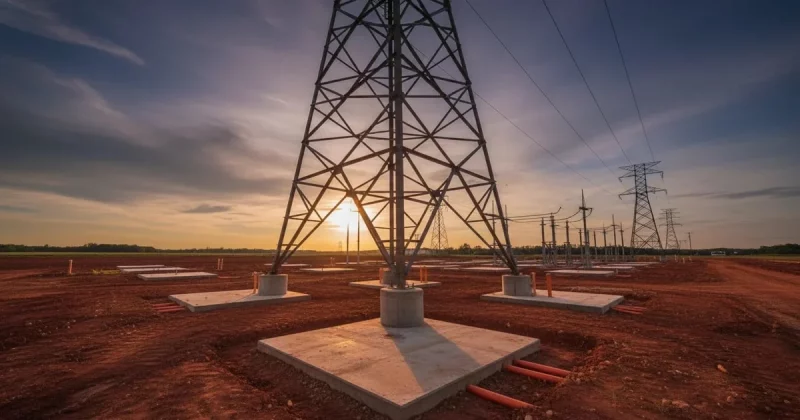
The Muskie Data Campus covers about 285 acres within the broader 1,000-acre EastPark Industrial Park in Eastern Kentucky. The site is pre-zoned, the permitting process requires minimal additional site work, and local and state economic development entities are actively supporting the project.

Advertisement

The site comes with a newly constructed 345 kV substation connected to a 765 kV transmission network operated by Kentucky Power. Pre-executed energy agreements are part of the package too.

Delivery is planned in two phases. The first 500 MW of capacity is expected to come online in the second half of 2028. An additional 500 MW is slated for the second half of 2030.

This is now TeraWulf’s second data center location in Kentucky. The company already operates the 480 MW Justified Data campus in Hancock County.

The bigger transformation story

TeraWulf has been repositioning itself from Bitcoin mining to an energy-secured infrastructure provider for AI and HPC workloads, a transition that has accelerated throughout 2026. Earlier in the year, TeraWulf roughly doubled its operational capacity to nearly 2.8 GW through a series of acquisitions, including sites in Kentucky and Maryland that added approximately 1.5 GW of capacity.

CEO Paul Prager has framed the Muskie acquisition as compatible with the company’s broader vision for serving AI and HPC workloads.

What this means for investors

The 2028 timeline for the first 500 MW at Muskie is worth watching closely. That’s roughly two years from announcement to initial delivery, which is more plausible given the pre-existing substation and transmission connections.

With two major campuses in one state, TeraWulf is exposed to state-level regulatory changes, utility rate adjustments, and regional grid reliability issues. The company’s five-site portfolio across multiple states provides some hedge, but Kentucky is clearly the center of gravity.

Investors watching WULF should track tenant pre-leasing activity at Muskie as the most concrete near-term indicator of whether this acquisition delivers on its promise.

Disclosure: This article was edited by Editorial Team. For more information on how we create and review content, see our Editorial Policy.

TeraWulf expands development pipeline 36% with Muskie Data Campus acquisition

TeraWulf expands development pipeline 36% with Muskie Data Campus acquisition

The former Bitcoin miner adds over 1 GW of AI and HPC data center capacity in Eastern Kentucky, pushing its total portfolio to roughly 2.8 GW across five sites.

TeraWulf Inc. just bought itself a gigawatt.

The Nasdaq-listed infrastructure company acquired the Muskie Data Campus in Eastern Kentucky from Industrial Equity Partners, adding over 1 GW of planned high-performance computing and AI data center capacity to its portfolio. The deal, effective May 22, 2026, expands TeraWulf’s overall development pipeline by approximately 36%, pushing the company’s total capacity across five sites to roughly 2.8 GW.

WULF shares responded accordingly, jumping roughly 8-12% on the news.

What TeraWulf actually bought

The Muskie Data Campus covers about 285 acres within the broader 1,000-acre EastPark Industrial Park in Eastern Kentucky. The site is pre-zoned, the permitting process requires minimal additional site work, and local and state economic development entities are actively supporting the project.

Advertisement

The site comes with a newly constructed 345 kV substation connected to a 765 kV transmission network operated by Kentucky Power. Pre-executed energy agreements are part of the package too.

Delivery is planned in two phases. The first 500 MW of capacity is expected to come online in the second half of 2028. An additional 500 MW is slated for the second half of 2030.

This is now TeraWulf’s second data center location in Kentucky. The company already operates the 480 MW Justified Data campus in Hancock County.

The bigger transformation story

TeraWulf has been repositioning itself from Bitcoin mining to an energy-secured infrastructure provider for AI and HPC workloads, a transition that has accelerated throughout 2026. Earlier in the year, TeraWulf roughly doubled its operational capacity to nearly 2.8 GW through a series of acquisitions, including sites in Kentucky and Maryland that added approximately 1.5 GW of capacity.

CEO Paul Prager has framed the Muskie acquisition as compatible with the company’s broader vision for serving AI and HPC workloads.

What this means for investors

The 2028 timeline for the first 500 MW at Muskie is worth watching closely. That’s roughly two years from announcement to initial delivery, which is more plausible given the pre-existing substation and transmission connections.

With two major campuses in one state, TeraWulf is exposed to state-level regulatory changes, utility rate adjustments, and regional grid reliability issues. The company’s five-site portfolio across multiple states provides some hedge, but Kentucky is clearly the center of gravity.

Investors watching WULF should track tenant pre-leasing activity at Muskie as the most concrete near-term indicator of whether this acquisition delivers on its promise.

Disclosure: This article was edited by Editorial Team. For more information on how we create and review content, see our Editorial Policy.