
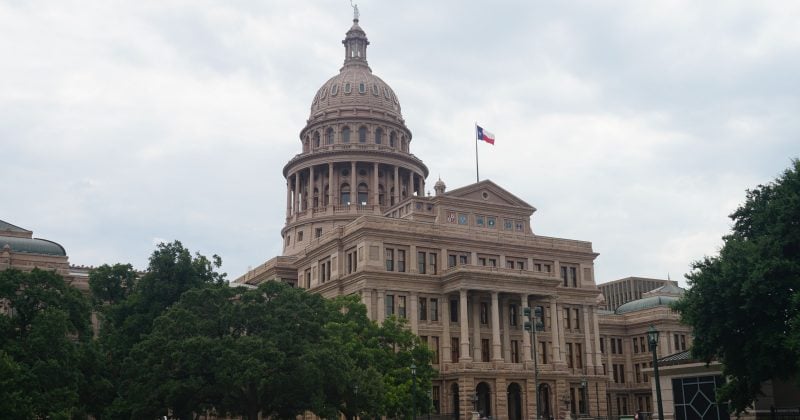
Photo: Michael Barera / Wikimedia Commons / CC BY-SA 4.0 (https://creativecommons.org/licenses/by-sa/4.0)
Texas lawmakers consider ban on crypto kiosk scams costing $57M
Three states have already outlawed Bitcoin ATMs, and Texas legislators say they plan to go even further than just regulating them.
Texans lost roughly $57 million to crypto kiosk scams in 2025, and state lawmakers have seen enough. Rather than simply slapping new rules on the machines, at least one committee chair is pushing to ban them outright, joining a growing coalition of states that have decided the risk to consumers outweighs the convenience.
The fraud problem behind the machines
Crypto kiosks work a lot like regular ATMs, except instead of withdrawing cash from your bank account, you feed cash into the machine and receive cryptocurrency in return. In practice, they’ve become a favorite tool for scammers.
Here’s how the scam typically works. A fraudster contacts a victim, often an elderly person, with an urgent story: unpaid taxes, a warrant, a compromised bank account. The victim is instructed to withdraw cash and deposit it into a crypto kiosk, sending the funds to a wallet controlled by the scammer. Once the crypto leaves the machine, it’s essentially gone forever.
The $56.8 to $57 million in losses reported in Texas alone underscores just how effective these schemes have become. And that figure likely understates the problem, since many victims never report the crime out of embarrassment or confusion about what happened.
Rep. Cole Hefner has signaled plans to introduce legislation banning crypto kiosks entirely when the Texas legislature convenes for its 2027 session. Meanwhile, Texas House Speaker Dustin Burrows and Lt. Gov. Dan Patrick have already issued interim charges directing committees to study kiosk regulation and elder fraud throughout 2026.
A national pattern emerges
Texas isn’t operating in a vacuum. Indiana was the first state to enact a statewide ban on crypto kiosks, with its prohibition set to take effect in March 2026. Tennessee follows in July 2026, and Minnesota’s ban kicks in August 2026.
At the federal level, the Crypto ATM Fraud Prevention Act, designated S.710, was introduced in Congress in 2025. The bill aims to establish consumer protections specifically targeting fraudulent activity at virtual currency kiosks.
What this means for investors and the crypto industry
For the average crypto investor buying Bitcoin on Coinbase or Kraken, these bans change nothing about daily life. Crypto kiosks have always been a niche on-ramp, primarily used by people who prefer cash transactions or lack access to traditional exchanges.
For kiosk operators, though, the picture is grim. Companies like Bitcoin Depot, Coinme, and other major kiosk networks face a shrinking map of states where they can legally operate. Each new ban reduces their addressable market, and compliance costs will climb for operators trying to stay legal in states that regulate rather than ban.
If Texas, one of the most vocally pro-crypto states in the country, decides to ban an entire category of crypto infrastructure, it sends a signal that even friendly jurisdictions have limits.