
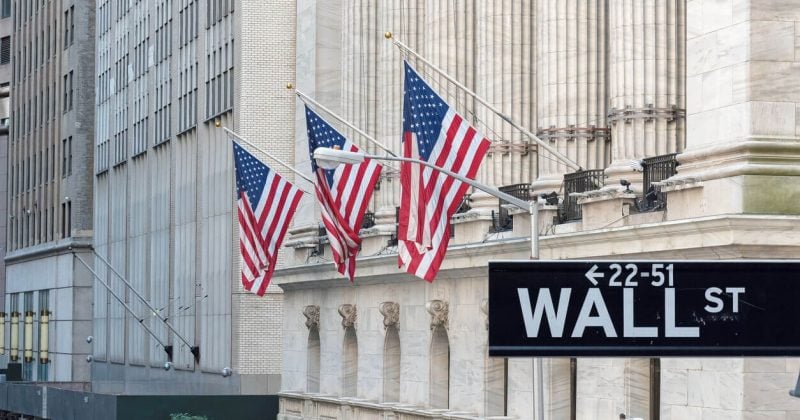
Texas Stock Exchange launches full trading on all tickers, challenging NYSE and Nasdaq dominance

Via businessintexas.com

Texas Stock Exchange launches full trading on all tickers, challenging NYSE and Nasdaq dominance

The first major new US stock exchange in decades went live with all national market system symbols, backed by $250 million from BlackRock, Citadel Securities, and other heavyweight investors.

The Texas Stock Exchange just did something no one has pulled off in decades: it opened a brand new, fully operational stock exchange in the United States and started trading every ticker on the National Market System. As of July 31, TXSE went live with all NMS symbols, completing a methodical rollout that began with test symbols on July 6 and initial live trading on July 10.

How TXSE got here

The exchange secured SEC approval on September 30, 2025, after raising $250 million from more than 80 institutional investors. That roster reads like a who’s-who of traditional finance: BlackRock (managing roughly $13.5 trillion in assets), Charles Schwab ($11.6 trillion in client assets), Citadel Securities, and J.P. Morgan all wrote checks.

Rather than flipping a single dramatic switch on opening day, TXSE chose a phased rollout designed to prioritize system stability. Test symbols went first on July 6. Four days later, live trading began on a subset of NMS tickers. By July 31, every symbol was available.

Advertisement

The exchange operates fully electronically, headquartered in Dallas, with no trading floor.

What TXSE actually wants to be

Trading existing tickers is just the opening act. TXSE has its sights set on attracting IPOs, secondary listings, and dual listings. Texas has no corporate income tax, a growing population of corporate headquarters relocations, and a regulatory environment that many executives consider friendlier than New York’s.

One notable absence from TXSE’s playbook: cryptocurrency. The exchange has deliberately avoided incorporating crypto tokens or digital assets into its platform, focusing exclusively on traditional equities.

What this means for crypto and broader markets

TXSE has stated its intention to support exchange-traded products, including ETFs. The spot Bitcoin and Ethereum ETF market has exploded over the past couple of years, and a new exchange hungry for listings might offer more favorable terms to ETF issuers looking to launch new crypto products.

For institutional investors who straddle both worlds, having a third major exchange creates optionality. BlackRock and Citadel didn’t invest $250 million in TXSE out of Texas pride. They’re positioning for a market structure where competition drives better execution, tighter spreads, and lower costs.

The risk, as always with new exchanges, is liquidity. Spreads on TXSE will likely be wider than on NYSE or Nasdaq for some time, simply because market makers need volume to tighten their quotes. Investors should watch TXSE’s market share numbers over the coming quarters as the real measure of whether this venture has legs.

Disclosure: This article was edited by Editorial Team. For more information on how we create and review content, see our Editorial Policy.

Texas Stock Exchange launches full trading on all tickers, challenging NYSE and Nasdaq dominance

Texas Stock Exchange launches full trading on all tickers, challenging NYSE and Nasdaq dominance

The first major new US stock exchange in decades went live with all national market system symbols, backed by $250 million from BlackRock, Citadel Securities, and other heavyweight investors.

Via businessintexas.com

The Texas Stock Exchange just did something no one has pulled off in decades: it opened a brand new, fully operational stock exchange in the United States and started trading every ticker on the National Market System. As of July 31, TXSE went live with all NMS symbols, completing a methodical rollout that began with test symbols on July 6 and initial live trading on July 10.

How TXSE got here

The exchange secured SEC approval on September 30, 2025, after raising $250 million from more than 80 institutional investors. That roster reads like a who’s-who of traditional finance: BlackRock (managing roughly $13.5 trillion in assets), Charles Schwab ($11.6 trillion in client assets), Citadel Securities, and J.P. Morgan all wrote checks.

Rather than flipping a single dramatic switch on opening day, TXSE chose a phased rollout designed to prioritize system stability. Test symbols went first on July 6. Four days later, live trading began on a subset of NMS tickers. By July 31, every symbol was available.

Advertisement

The exchange operates fully electronically, headquartered in Dallas, with no trading floor.

What TXSE actually wants to be

Trading existing tickers is just the opening act. TXSE has its sights set on attracting IPOs, secondary listings, and dual listings. Texas has no corporate income tax, a growing population of corporate headquarters relocations, and a regulatory environment that many executives consider friendlier than New York’s.

One notable absence from TXSE’s playbook: cryptocurrency. The exchange has deliberately avoided incorporating crypto tokens or digital assets into its platform, focusing exclusively on traditional equities.

What this means for crypto and broader markets

TXSE has stated its intention to support exchange-traded products, including ETFs. The spot Bitcoin and Ethereum ETF market has exploded over the past couple of years, and a new exchange hungry for listings might offer more favorable terms to ETF issuers looking to launch new crypto products.

For institutional investors who straddle both worlds, having a third major exchange creates optionality. BlackRock and Citadel didn’t invest $250 million in TXSE out of Texas pride. They’re positioning for a market structure where competition drives better execution, tighter spreads, and lower costs.

The risk, as always with new exchanges, is liquidity. Spreads on TXSE will likely be wider than on NYSE or Nasdaq for some time, simply because market makers need volume to tighten their quotes. Investors should watch TXSE’s market share numbers over the coming quarters as the real measure of whether this venture has legs.

Disclosure: This article was edited by Editorial Team. For more information on how we create and review content, see our Editorial Policy.