
https://www.cfr.org/global-conflict-tracker/conflict/political-instability-iraq
The islamic resistance of Iraq affirms it will retaliate against US-Saudi actions, threatens US interests in Saudi Arabia
US-Iran deal in 2026
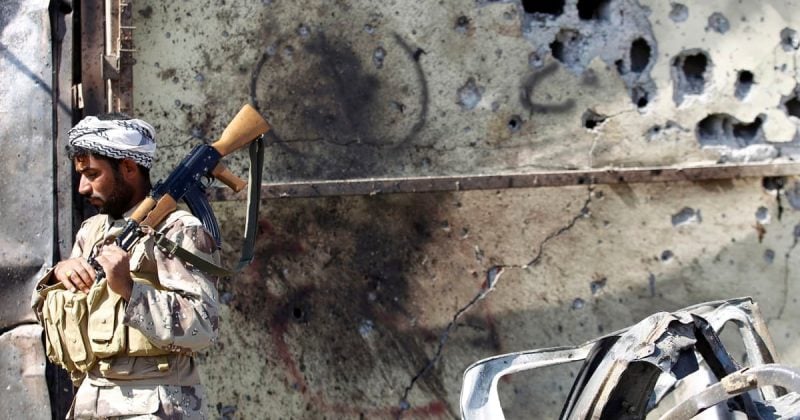
The Islamic Resistance of Iraq has announced its intention to retaliate against what it terms as joint US-Saudi aggression in Iraq. The group has issued a warning that it is prepared to target US assets and interests in Saudi Arabia as the situation demands. This development is part of the ongoing Iran–Saudi Arabia proxy conflict, where Iran-aligned militias in Iraq and US/Saudi forces have been involved in escalating military actions. The recent US-Saudi air operation targeted Iran-backed groups accused of drone attacks, marking a significant escalation in the conflict.
The announcement by the Islamic Resistance in Iraq comes amid a backdrop of heightened tensions in the region. The group, which operates under the wider Popular Mobilization Forces in Iraq, has framed the US-Saudi strikes as a violation of Iraqi sovereignty. Saudi Arabia and the US have justified their actions as defensive measures against attacks on their forces and infrastructure. This escalation appears to affect the broader geopolitical negotiations, including the prospects for a US-Iran deal in 2026.
Market activity reflects a shift in sentiment regarding the likelihood of a US-Iran deal, with current pricing suggesting a decrease in confidence. The potential for increased hostility in the region is seen as a complicating factor for diplomatic efforts.
Key Takeaways
- The announcement by the Islamic Resistance of Iraq appears to increase regional tensions and suggests a more hostile environment for US-Iran negotiations.
- Market pricing indicates a decrease in the likelihood of a US-Iran deal in 2026, reflecting the impact of the recent escalation.
- The Iran–Saudi Arabia proxy conflict’s expansion into direct military actions is consistent with scenarios where diplomatic resolutions are less likely.
What to Watch
Observers are closely monitoring reactions from key actors such as the United States, Saudi Arabia, and Iran, as their responses could further influence market sentiment on the likelihood of a US-Iran deal. Any additional military actions or diplomatic statements from these countries may indicate further changes in the geopolitical landscape. The involvement of mediators from Qatar and Pakistan may also play a role in shaping future developments. Markets will likely react to any significant changes in the negotiation dynamics or military engagements in the region.
Get live prediction-market analysis, powered by Vera. Sign up for Vera.